
Products
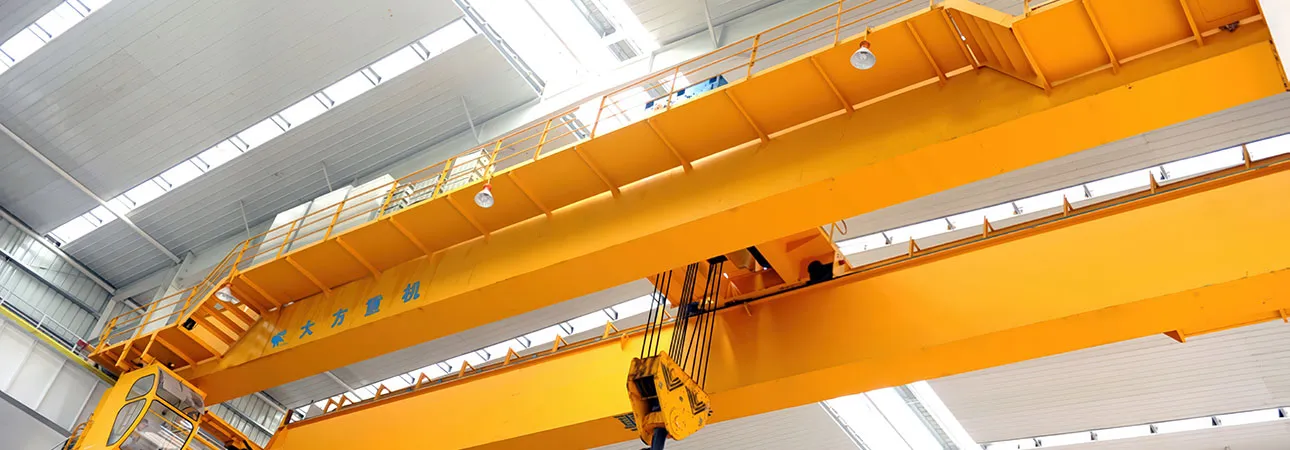
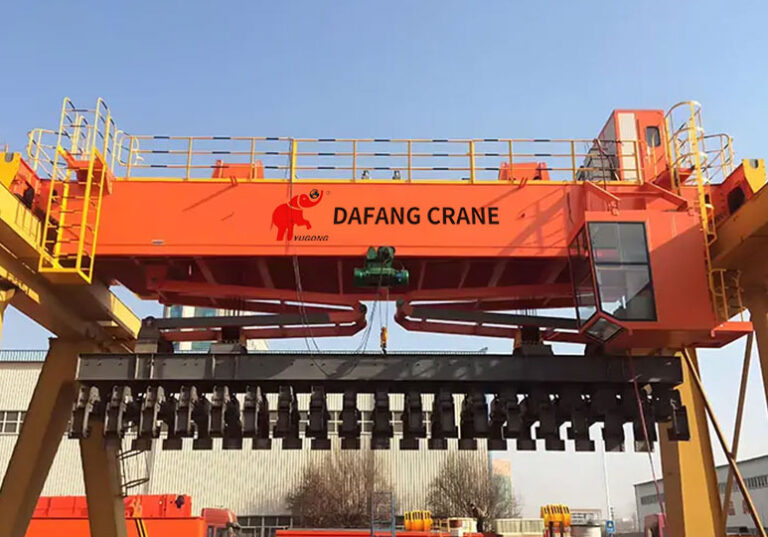
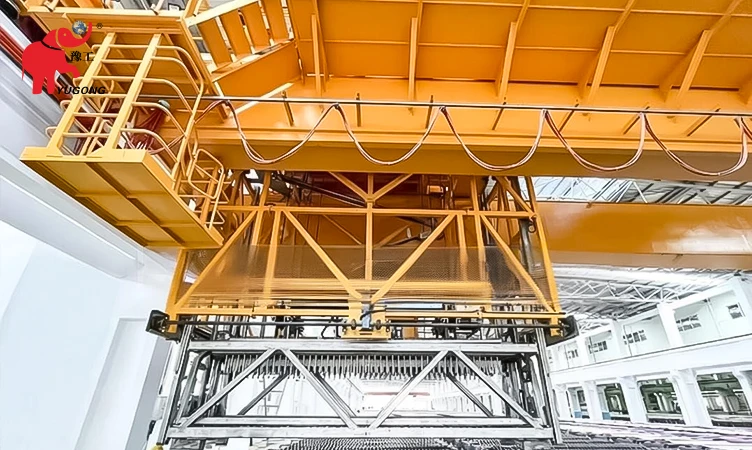
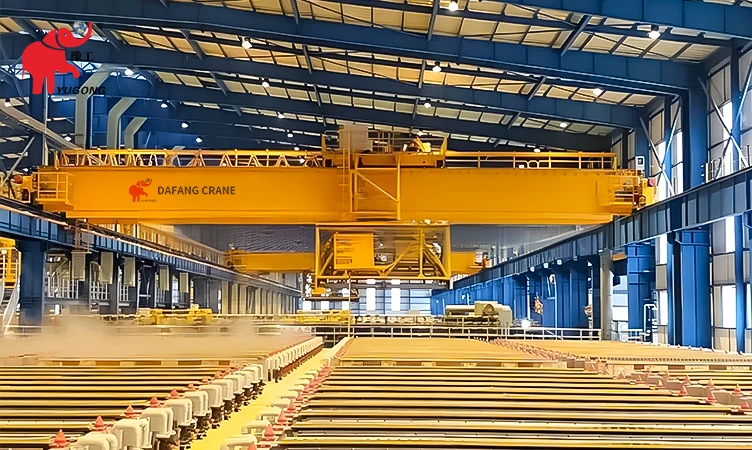
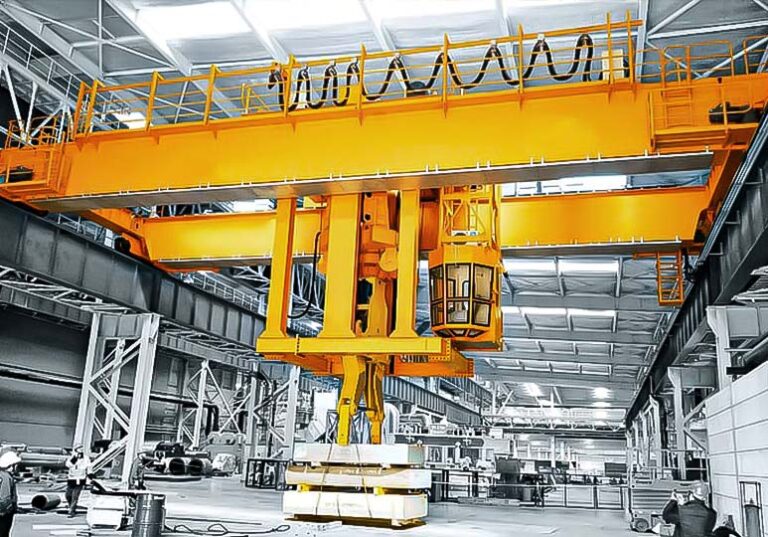

—Engineered for Extreme Conditions
Aluminum, copper, and zinc smelting operations exceed the design limits of standard bridge cranes. Furnace ambient temperatures often surpass 60°C, and molten metal splashes cause thermal shock to structural components. Sulfur dioxide and acidic fumes corrode unprotected steel in months, and dust from cathode handling and anode casting risks short-circuits in electrical equipment.
Standard industrial bridge cranes, including those for outdoor or heavy-duty service, fail prematurely in these environments as general-purpose equipment lacks the necessary metallurgical specs, thermal protection, and corrosion resistance.
Dafang's metallurgical bridge cranes meet these conditions through validated material selection, protective systems, and component specifications in actual smelting operations in various non-ferrous environments, across aluminum, copper, lead, and zinc facilities.
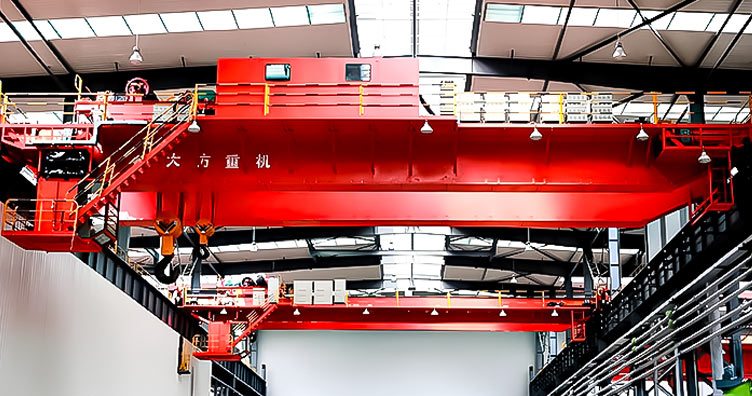
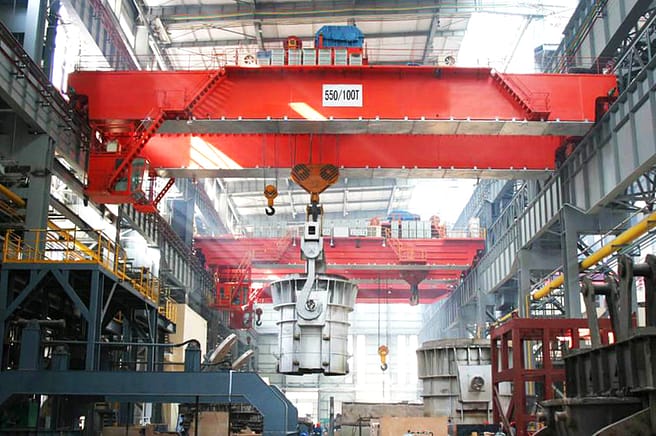
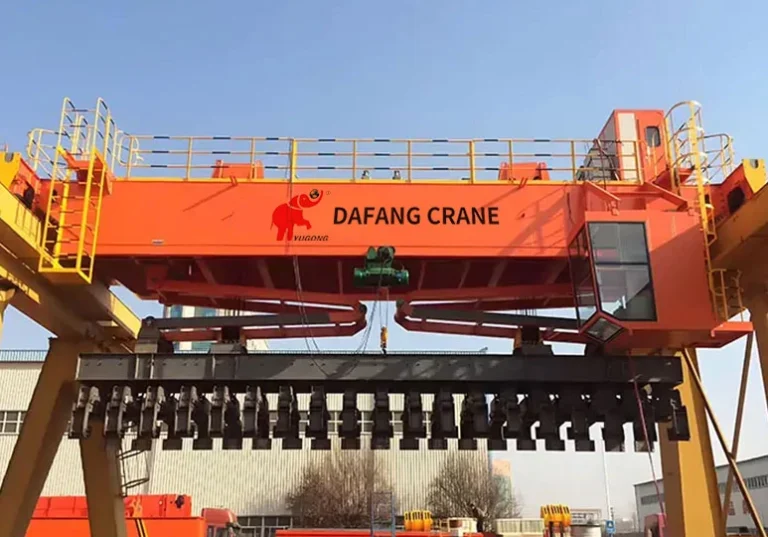
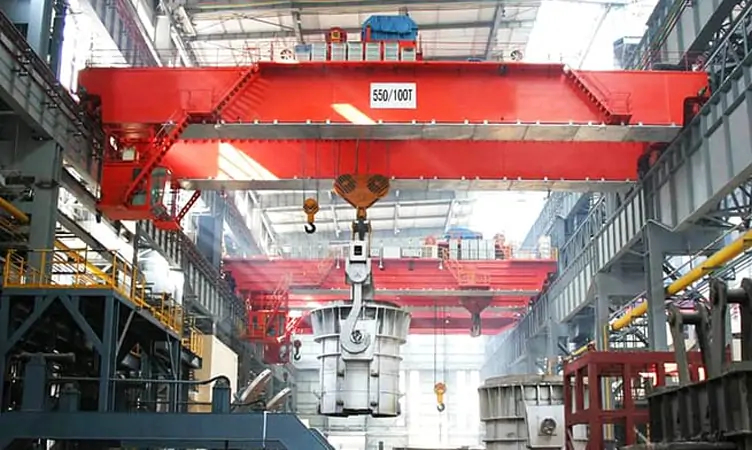
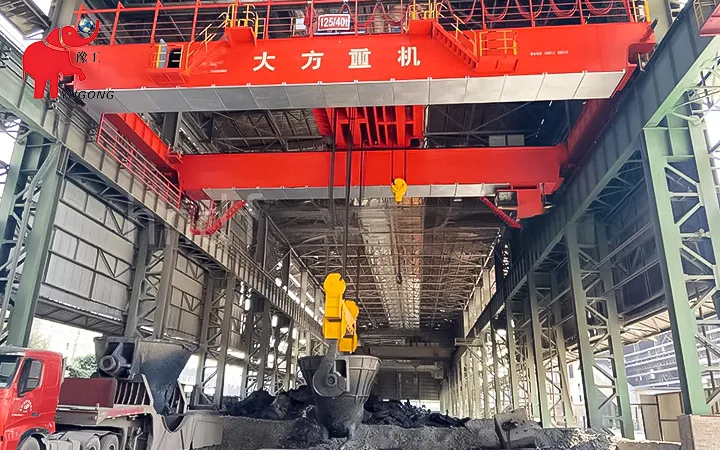
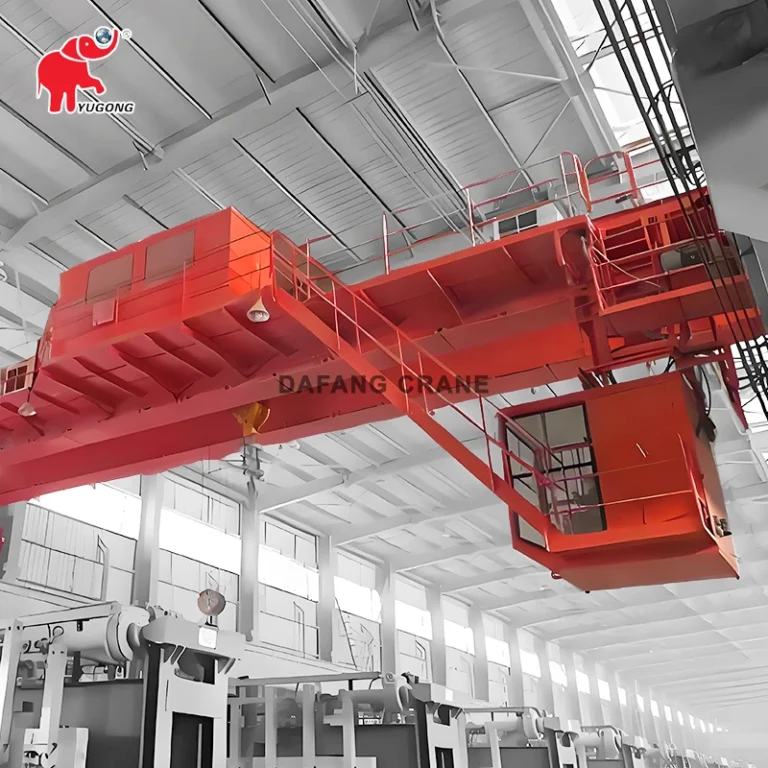
100 Ton QDY Metallurgy EOT Crane For Sale
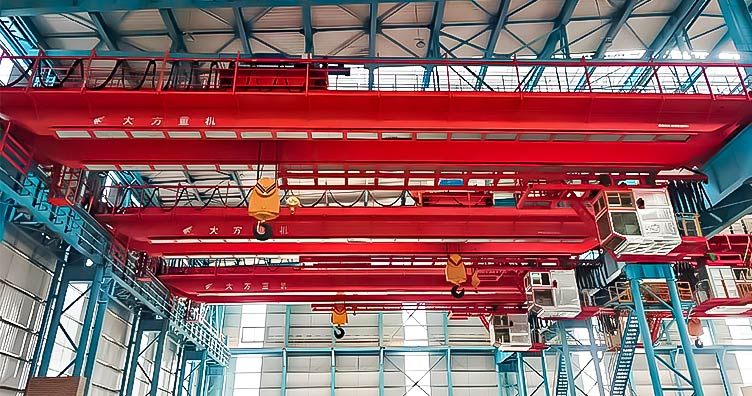
QDY Metallurgy EOT Crane For Sale
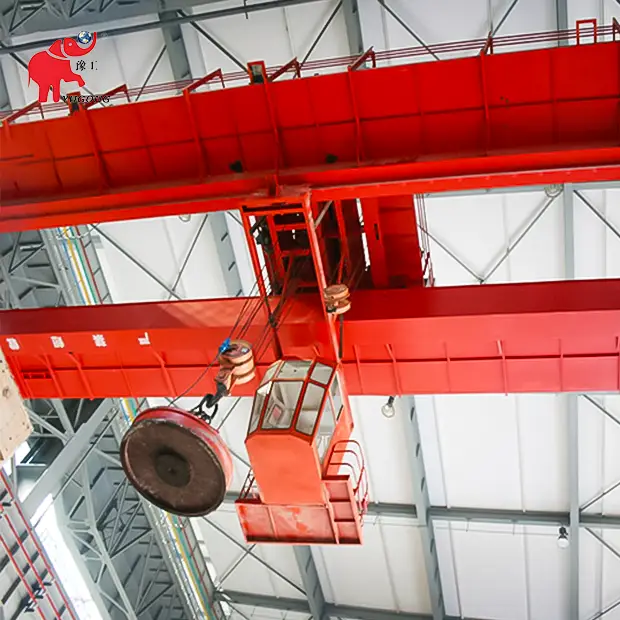
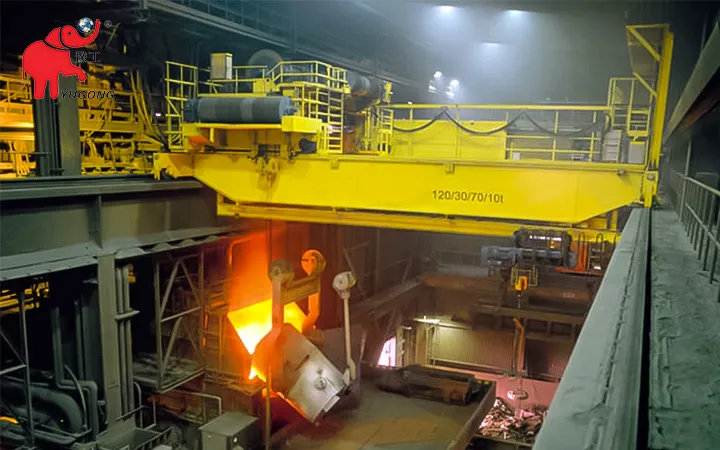
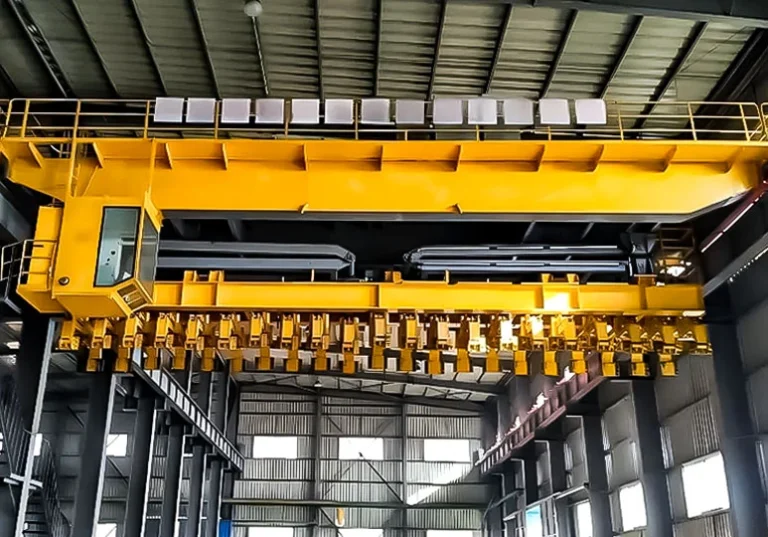
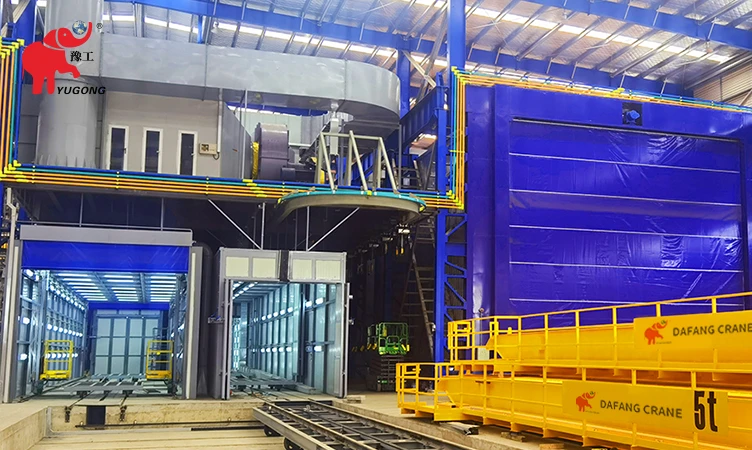
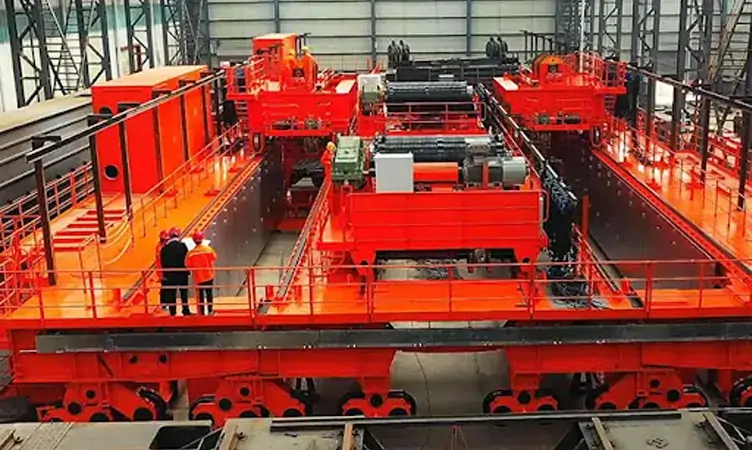
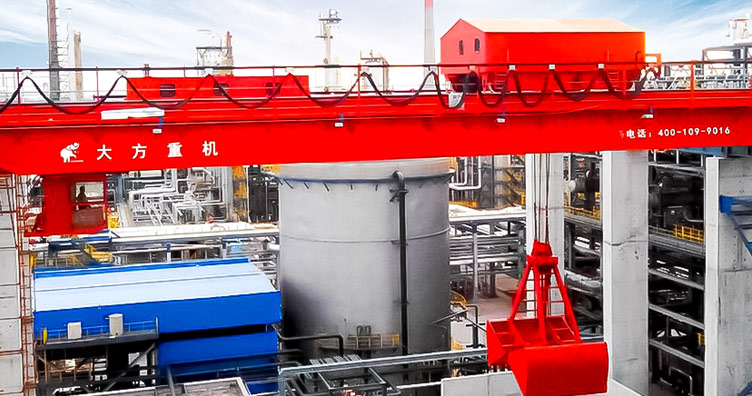
Based on the overhead bridge crane categories on Dafang Crane’s official website and its specialized designs for the non-ferrous metal smelting field, the following 7 types of bridge cranes are core models suitable for non-ferrous metal smelting scenarios. These overhead cranes cover the entire process of smelting, electrolysis, raw material handling, and finished product transfer. They are also designed to meet the special working conditions of high temperature, strong corrosion, and intense electrolysis in non-ferrous smelting:
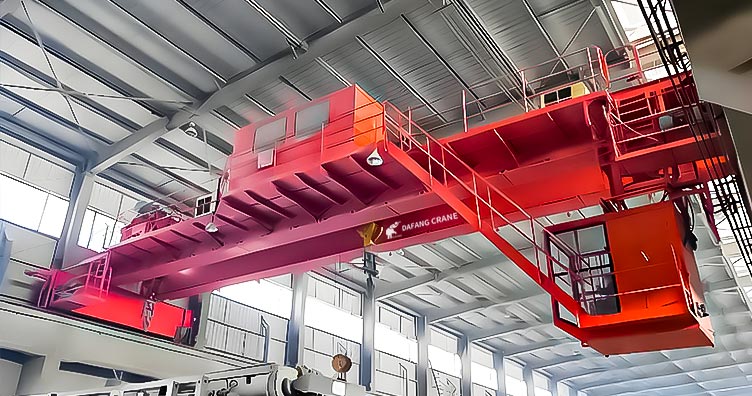
70 Ton QY Insulated EOT Crane For Sale
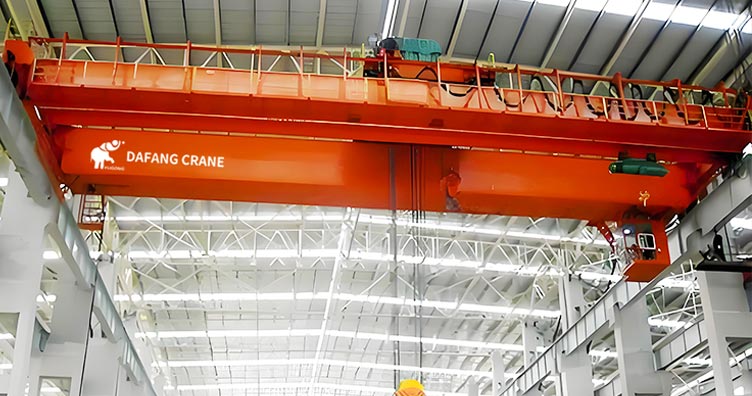
QY Insulated EOT Crane For Sale
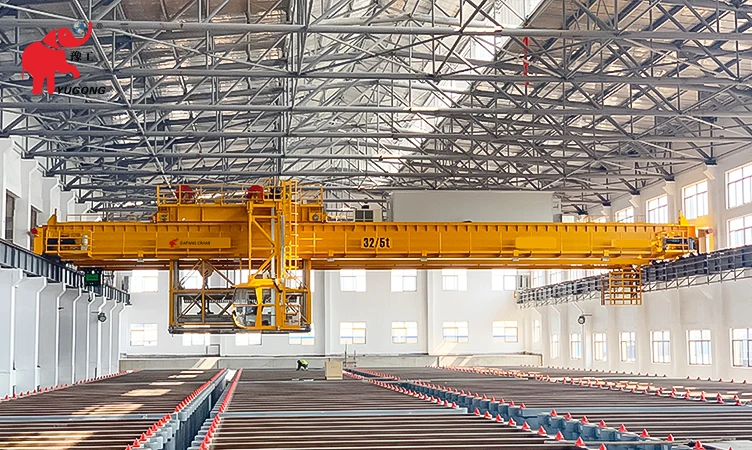
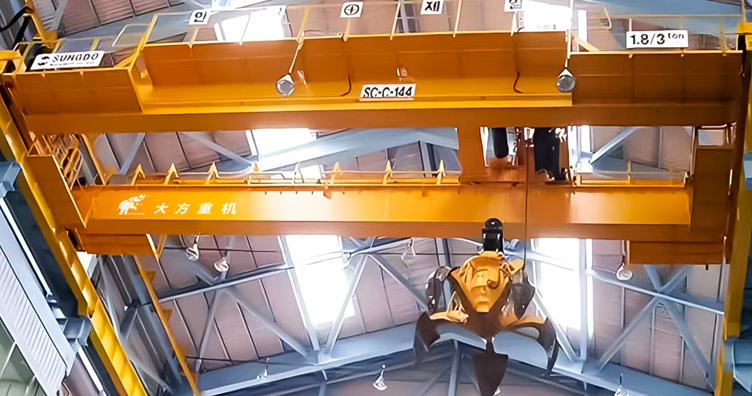
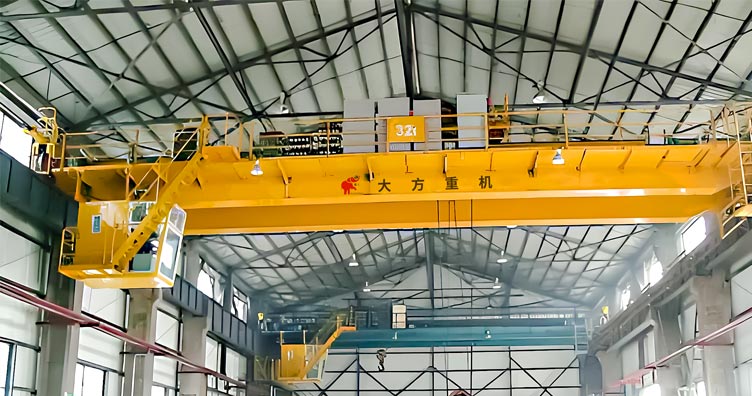
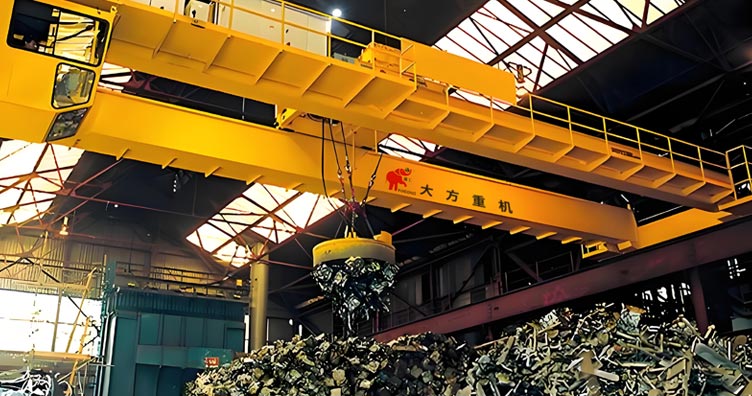
20 Ton QC Electromagnetic Overhead Crane
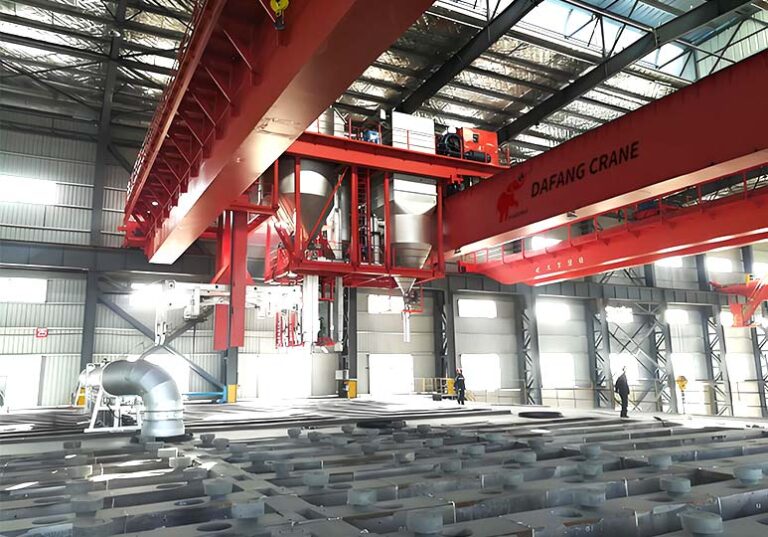
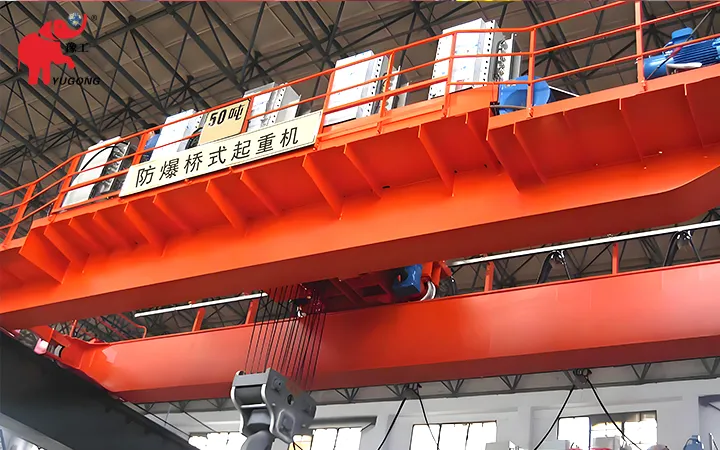
Customization Notes
All models mentioned above support customized modifications. Based on the span, lifting height, and corrosion/temperature requirements of non-ferrous smelting workshops, accessories such as insulation layers, anti-corrosion coatings, and anti-sway systems can be added. Meanwhile, core metallurgical and specialized models meet CE and ISO certifications, catering to the construction needs of non-ferrous metal smelters worldwide.
Capacity Range: 5-200 tons (application-dependent)
Duty Classification: A6-A8 for continuous smelting operations
Operating Temperature: -20°C to +60°C ambient (higher in localized zones)
Protection Class: IP54 minimum, IP65 for exposed electrical components
Safety Factors: 1.5x static load per FEM/ISO standards, with additional thermal load considerations
Certifications: CE marking, ISO 9001 quality management, pressure vessel certifications where applicable for ladle-handling equipment.
Thermal Management
High-Temperature Structural Steel
Main girders and supporting structures use steel grades that maintain mechanical properties at high temperatures. Heat-resistant paint systems (up to 400°C) protect structural members from radiant heat during ladle handling and furnace operations.
Component Cooling
Forced-air cooling systems protect electrical cabinets, motors, and drives near heat sources. Hoists for molten metal handling have water-cooled components to prevent thermal damage to bearings and gear reducers.
Insulation Barriers
Thermal shields between hoist mechanisms and lifted loads prevent heat transfer during molten metal transport. This protects wire ropes, electrical components, and hydraulic systems from temperature-induced failure.
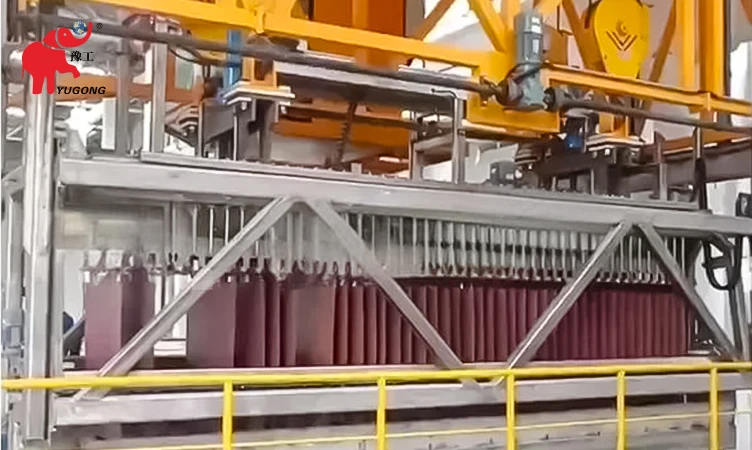
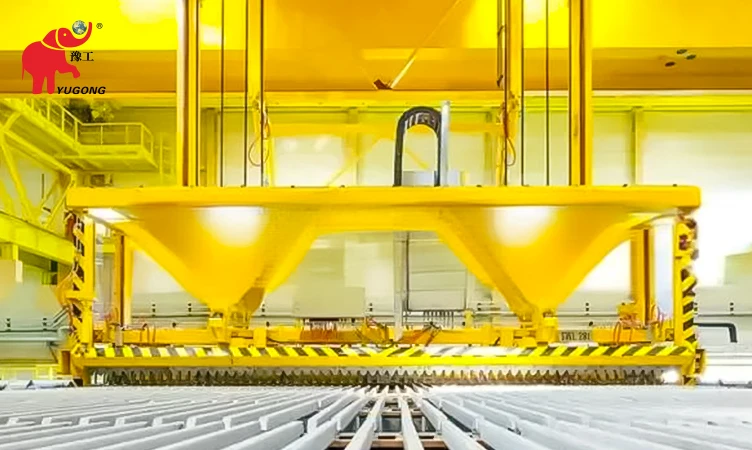
Corrosion Protection
Multi-Layer Coating Systems
Zinc-rich primer, epoxy intermediate coats, and polyurethane topcoats provide layered defense against sulfur dioxide, chlorine gas, and acidic condensation common in non-ferrous smelting environments. Total dry film thickness typically exceeds 250 microns for extended service life.
Sealed Electrical Enclosures
IP65-rated motor housings and control cabinets with positive-pressure ventilation prevent corrosive gas infiltration. Stainless steel hardware and corrosion-resistant fasteners eliminate common failure points in aggressive atmospheres.
Dust and Contamination Management
Sealed Bearing Assemblies
Wheel bearings, trolley bearings, and hoist components use sealed cartridge bearings with labyrinth seals preventing cathode dust infiltration—a primary cause of premature bearing failure in aluminum smelting.
Protected Electrical Systems
Explosion-proof configurations (where required for specific processes) and dust-tight enclosures prevent carbon dust accumulation on contactors, limit switches, and control circuits.
Aluminum Smelting
Anode Handling Cranes
Lift and position prebaked anodes weighing 1.5-2 tons each into electrolytic cells. Duty cycle A6-A7 for continuous operation across hundreds of cells. Specialized lifting beams distribute loads across multiple anode rods simultaneously.
Cathode Removal & Transport
Heavy-duty cranes (20-32 tons capacity) extract carbon cathode blocks from spent cells and transport them to crushing stations. Equipment operates in extreme dust concentrations requiring comprehensive sealing and filtration.
Copper Smelting
Converter Ladle Cranes
Handle ladles containing 50-150 tons of molten copper at 1,200°C. Double-girder construction with auxiliary hoist for ladle tilting. Emergency backup systems ensure safe ladle handling during power interruptions.
Anode Furnace Service
Position copper anodes (300-400 kg each) for electrorefining. Precision controls enable accurate placement in electrolytic tanks with minimal clearance tolerances.
Lead & Zinc Operations
Slag Handling
Lift and transport slag pots and dross containers in high-temperature zones. Specialized lifting attachments accommodate thermal expansion and allow safe release of handled materials.
Ingot Stacking
Transfer finished metal ingots from casting areas to storage yards. Magnetic or mechanical grippers configured for specific ingot geometries and weights.
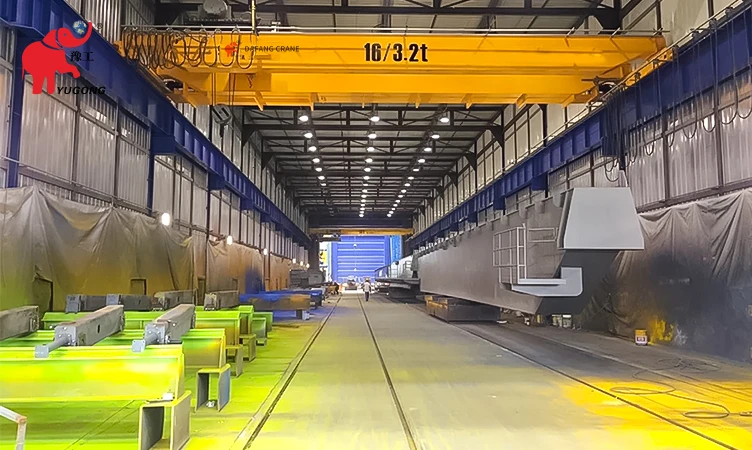
Non-ferrous smelting environments speed up component wear via thermal cycling, corrosive exposure, and continuous duty cycles. Procurement teams should evaluate:
Structural Inspection Programs
Annual ultrasonic testing of main girders in high-heat zones can detect fatigue cracking before failure. Thermal cycling creates stress concentrations that need monitoring beyond standard inspection protocols.
Wire Rope Replacement Intervals
High-temperature exposure shortens wire rope service life by 30-50% compared to ambient conditions. Replacement schedules should be based on operating temperature and duty cycle, not just visual inspection.
Protective Coating Maintenance
Plan for coating inspection and touch-up every 18-24 months in aggressive atmospheres. Localized coating failure will accelerate if not addressed promptly.
Dafang Heavy Machinery offers metallurgical bridge cranes for global aluminum, copper, lead, zinc, and specialty alloy production facilities. Our engineering team analyzes thermal exposure, corrosive atmosphere, duty cycle, and operational requirements to configure equipment for actual operating conditions.
Contact our technical team with details of your smelting process, ambient conditions, capacity requirements, and operational parameters. We offer application-specific engineering, FEM calculations for thermal loading, and equipment specifications validated by decades of non-ferrous smelting installations.
Henan Dafang Heavy Machinery Co., Ltd.
Metallurgical Crane Specialist · CE · ISO 9001 · 20+ Years Smelting Industry Experience
Metallurgical cranes use heat-resistant structural steel, high-temperature wire ropes, sealed bearing assemblies, and multi-layer protective coatings validated for smelting environments. Standard heavy-duty cranes lack these specs and fail quickly in thermal and corrosive conditions.
Limited upgrades like coating application, component cooling, and sealed enclosures are possible, but fundamental issues (structural steel grade, thermal load capacity, duty classification) can't be economically retrofitted. Smelting operations need purpose-built equipment from the start.
Calculate actual operating hours and load cycles. Continuous operations (16+ hours daily) require A7-A8. While intermittent batch smelting (8-12 hours daily) may function with A6 equipment. Under-specifying duty class causes premature structural fatigue and component failure in demanding smelting conditions.
Dafang supplies high quality overhead cranes, gantry cranes, jib cranes, electric hoists and crane spare parts etc. You can fill out the form below, and we will contact you as soon as possible
Stella