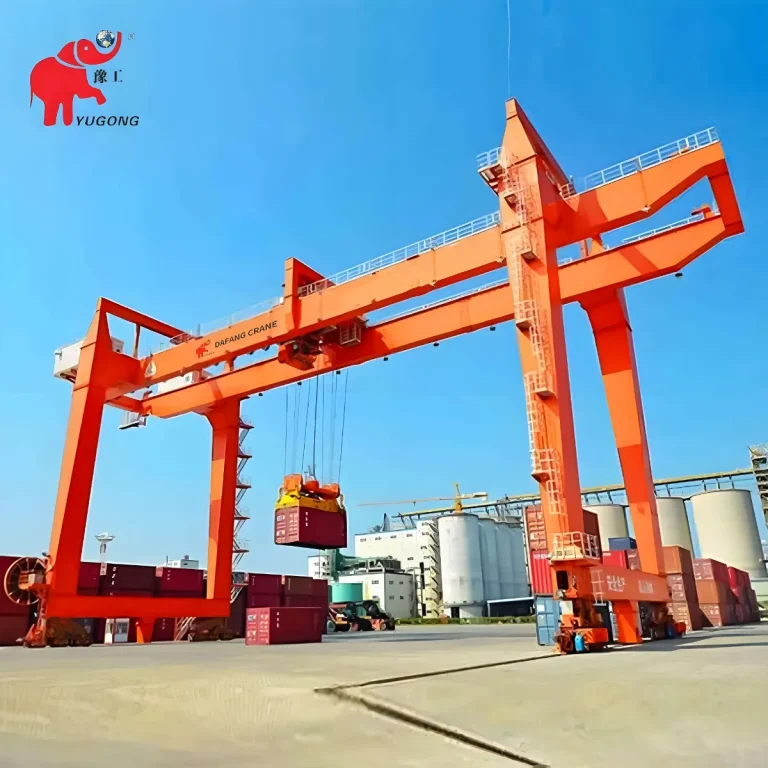
What Is A Container Crane?

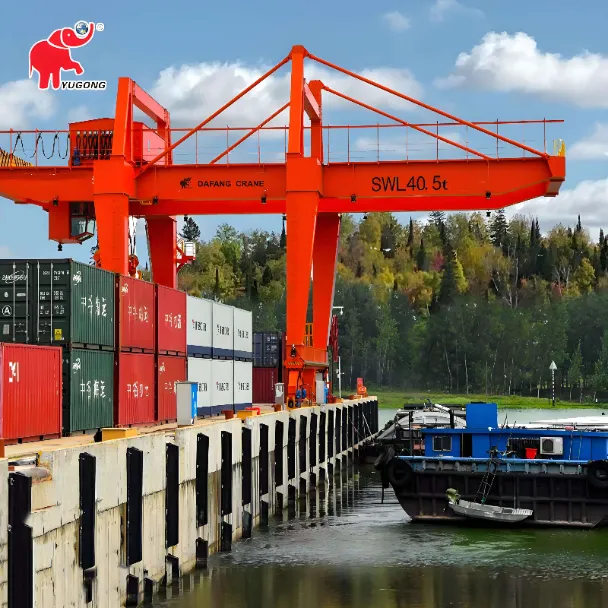
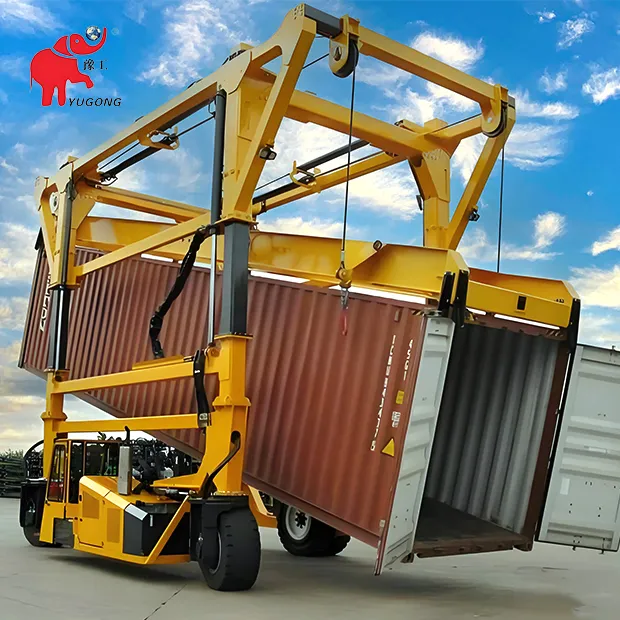
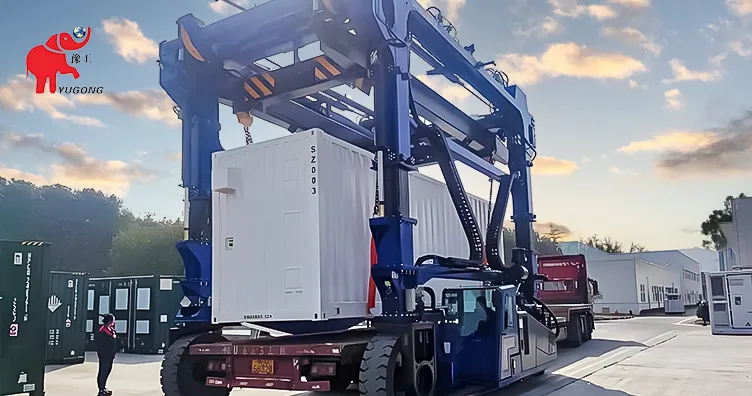
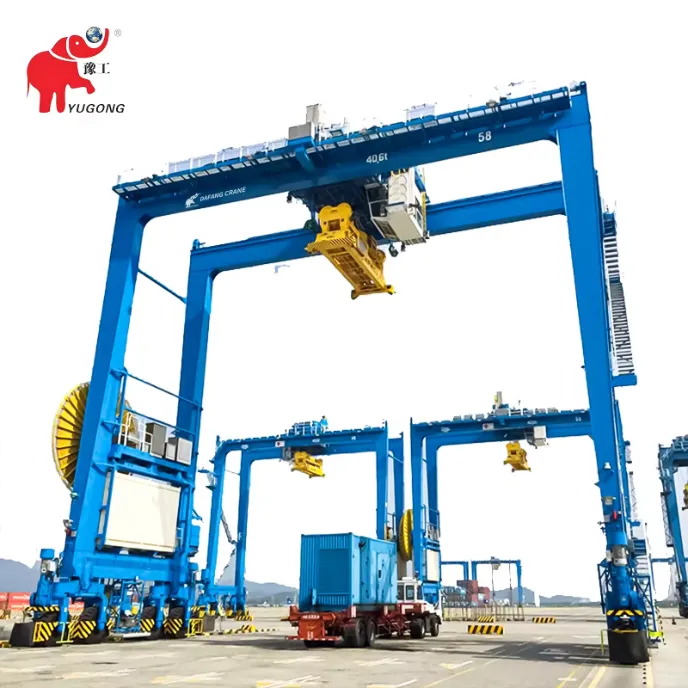
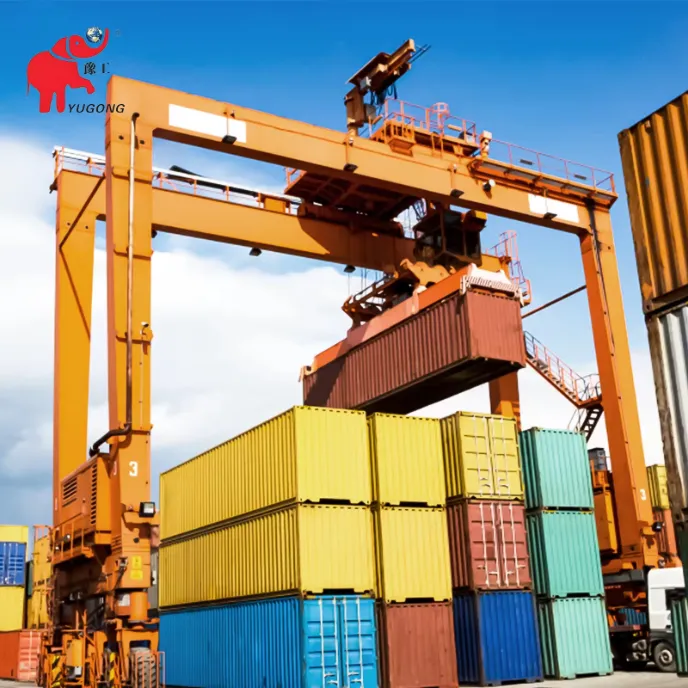
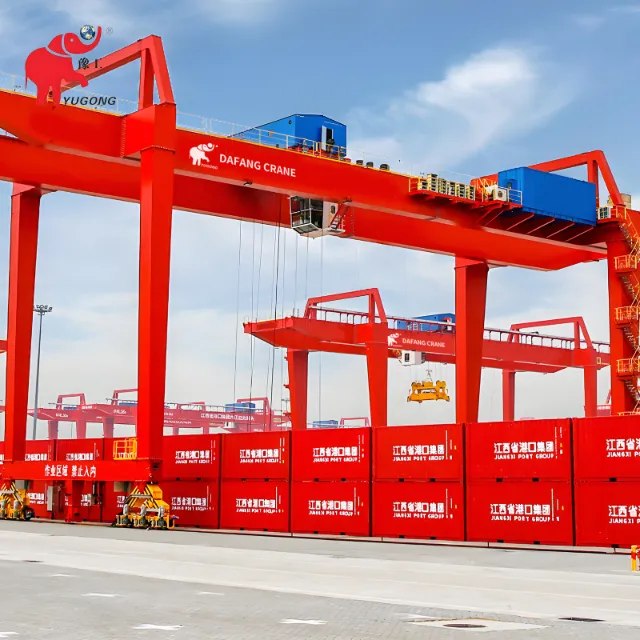
Global trade relies on the seamless movement of containers across ports and yards. Container cranes move millions of containers yearly across ports and yards — whether they are Rubber Tyre Container Crane(RTG Crane), Rail-mounted Container Crane(RMG Crane), Ship-to-shore quay (STS crane) or container straddle carrier. Therefore, container gantry cranes are the essential equipment to make international import and export trading possible.

These massive container lifting machines may appear complex, but their core components and operating principles follow a logically rigorous, streamlined, and efficient design, ensuring the efficiency of the global supply chain.

Henan Dafang Heavy Machine Co Ltd. has been manufacturing and exporting container cranes for over 20 years. To better use container gantry cranes and improve working efficiency, it is essential to break down their core components, see the differences among them and see how they work together to safely and quickly lift, move, and stack heavy containers.
Core Components of Container Cranes

Every container crane has several basic components that work together to drive its function.
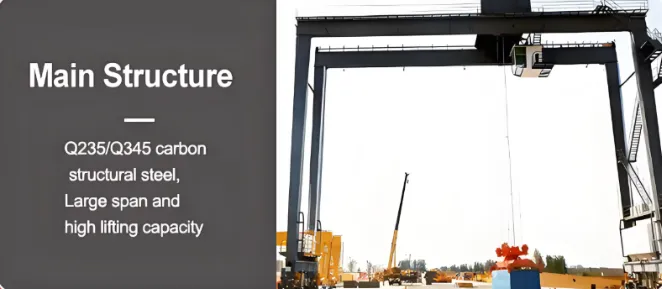
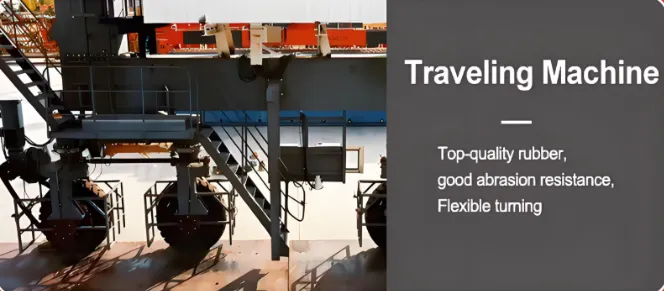
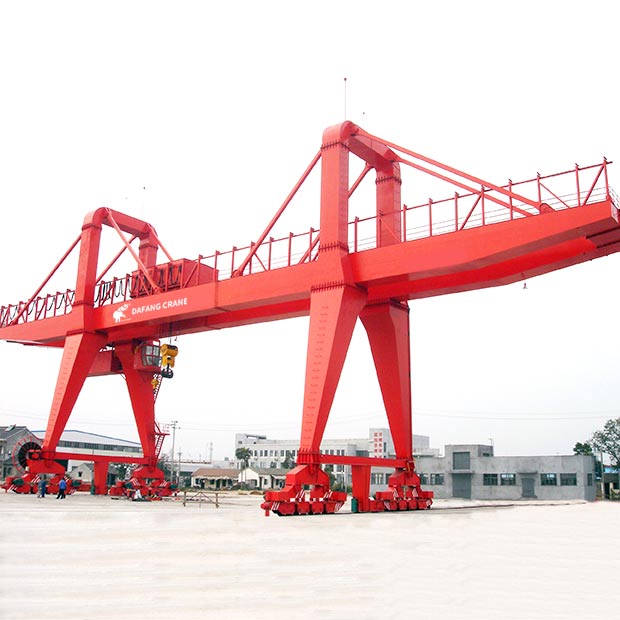
  1. Gantry Structure: The steel frame provides stability and support. For RTGs, it’s mounted on rubber tyres; for RMGs, on rail bogies. It spans multiple container rows and bears the weight of the entire lifting system.
  2. Hoisting System: An electric motor-driven winch, cables, and pulleys that lift/lower containers. Electric motors power this system, with load capacities ranging from 35 to 100 tons.
  3. Trolley: A movable carriage that travels along the gantry’s top beam, horizontally transporting containers between stackers and trucks/ships. It ensures precise lateral positioning, which is critical for stacking accuracy.
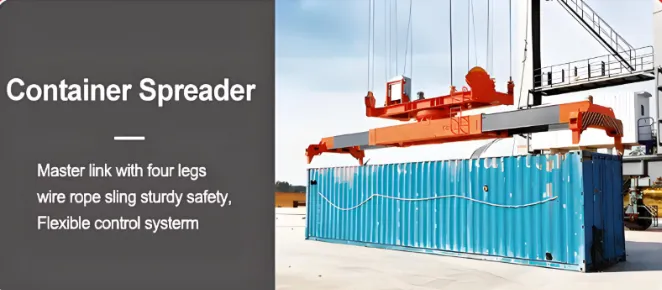
  4. Spreader: The “hands” of the crane—an adjustable frame that locks onto container corners (using ISO-standard twist locks). It can adapt to 20ft or 40ft containers and tilts slightly to align with uneven loads.
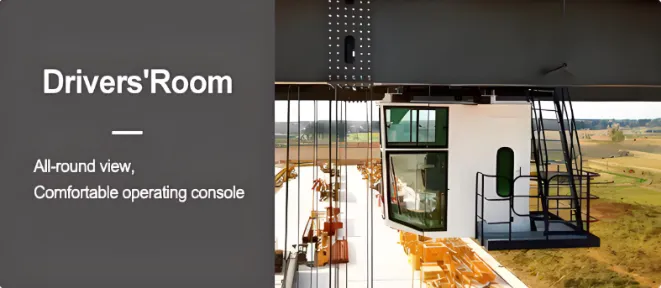
  5. Control System: The core component of the container crane, including an operator cabin (or remote/automated control system of smart cranes) with joysticks, sensors, and GPS/laser navigation system for precision. Among them, modern RMGs integrate AI tech for unmanned operation.

How Does Container Cranes Work

The crane’s operation follows a streamlined, four-stage process:
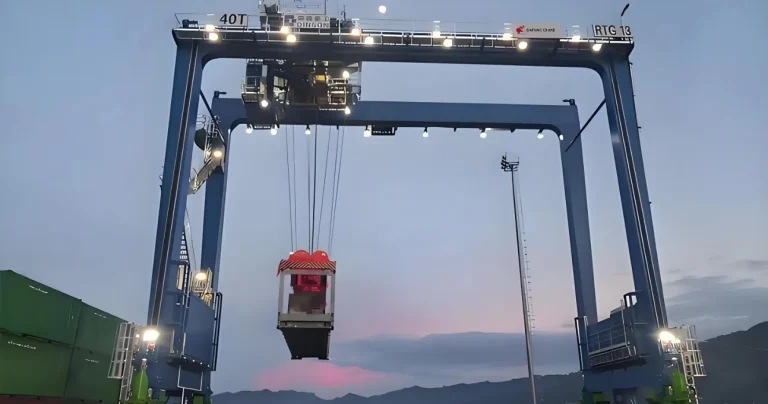
  1. Positioning: The operator (or automated system) moves the trolley and gantry to align the spreader directly above the target container. Sensors correct for wind or load imbalance to ensure alignment.
  2. Lifting: The spreader locks onto the container’s corner castings, and the hoisting system lifts the load vertically, clearing the stack or truck bed.
  3. Horizontal Movement: The trolley glides along the gantry beam to move the container to the target location (e.g., a truck, stack, or ship hold). For RTGs, the entire gantry moves via tyres to reposition across the yard; for RMGs, it travels along fixed rails.
  4. Lowering & Unlocking: The container is lowered gently to the target spot, the spreader releases the twist locks, and the system resets for the next lift.

Professional Container Crane Supplier In China

After reading this article, you now understand the components and working principle of container gantry cranes. Dafang Crane team hope this article will provide some insights for your selection of container gantry cranes. Please do not hesitate to contact us if you have any questions. We will provide professional support and guidance.


dafang
dafang