Application
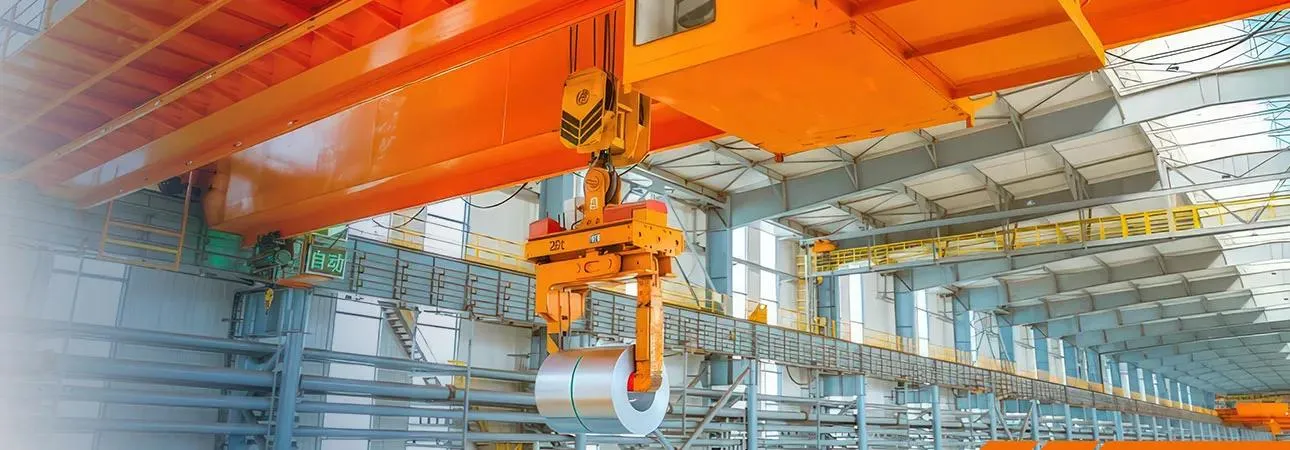
Depuis plus de 20 ans, Dafang Crane conçoit et fabrique des ponts roulants, des palans, des grues à flèche et des systèmes de chariots de transfert pour l'industrie lourde, dont une part importante est dédiée au secteur automobile. Nous collaborons avec les constructeurs automobiles, les équipementiers de rang 1, les fabricants de véhicules électriques et de batteries, ainsi qu'avec les entreprises d'ingénierie, d'approvisionnement et de construction (EPC) et les intégrateurs de systèmes qui aménagent leurs usines. Cette page détaille les défis d'ingénierie auxquels sont confrontées les installations automobiles, les systèmes de pont roulant que nous recommandons pour chaque zone de production et les justifications de ces recommandations. Il ne s'agit pas d'un catalogue de produits générique, mais d'un guide pratique destiné aux ingénieurs et aux équipes d'approvisionnement des usines qui évaluent les équipements de manutention pour l'industrie automobile.
Vous trouverez ci-dessous les principales gammes de produits que nous recommandons pour les installations automobiles, ainsi que leur domaine d'application et les raisons de leur utilisation.
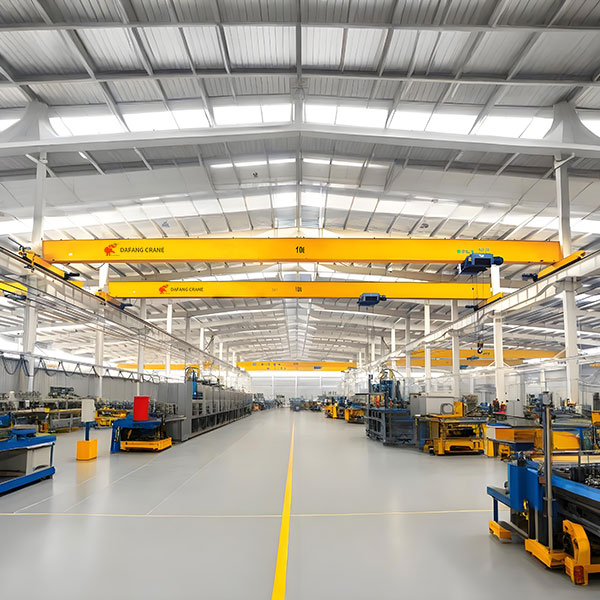
Un pont roulant compact et économique utilisant un chariot d'extrémité à faible hauteur libre de type européen et un palan à câble métallique FEM fonctionnant sur la semelle inférieure de la poutre.
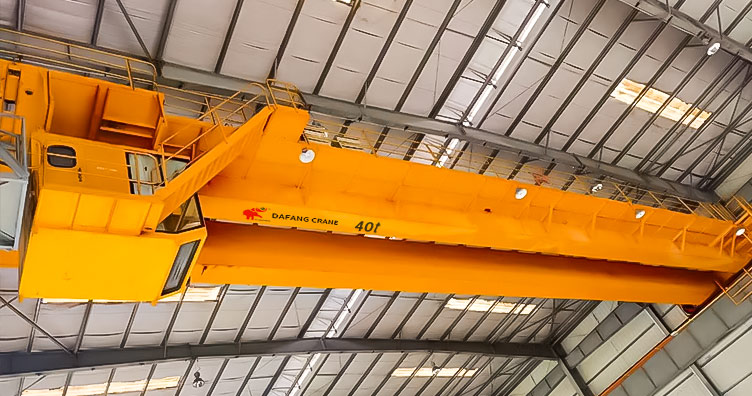
Le pilier des applications automobiles lourdes — des poutres jumelées supportant un palan monté sur chariot, conçues pour une capacité et des cycles de service plus élevés que les modèles à poutre unique.
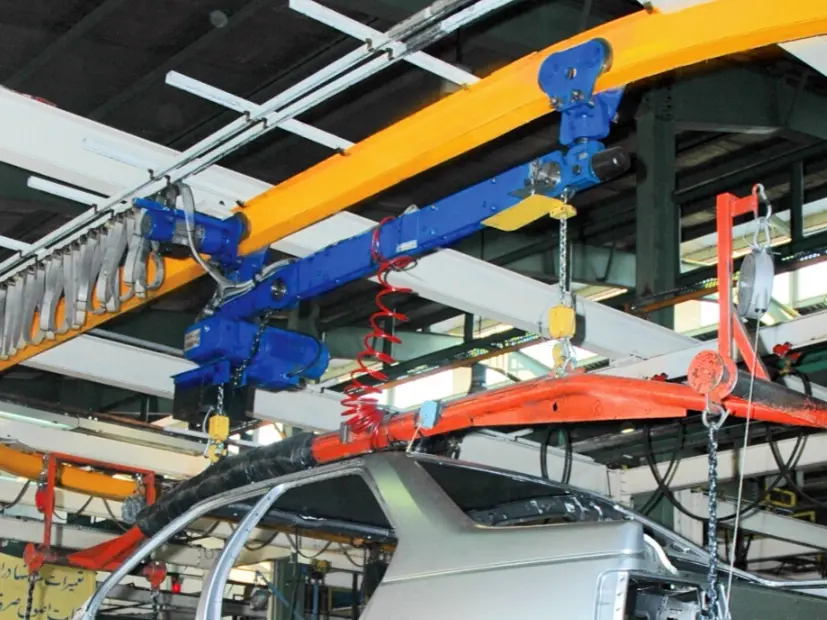
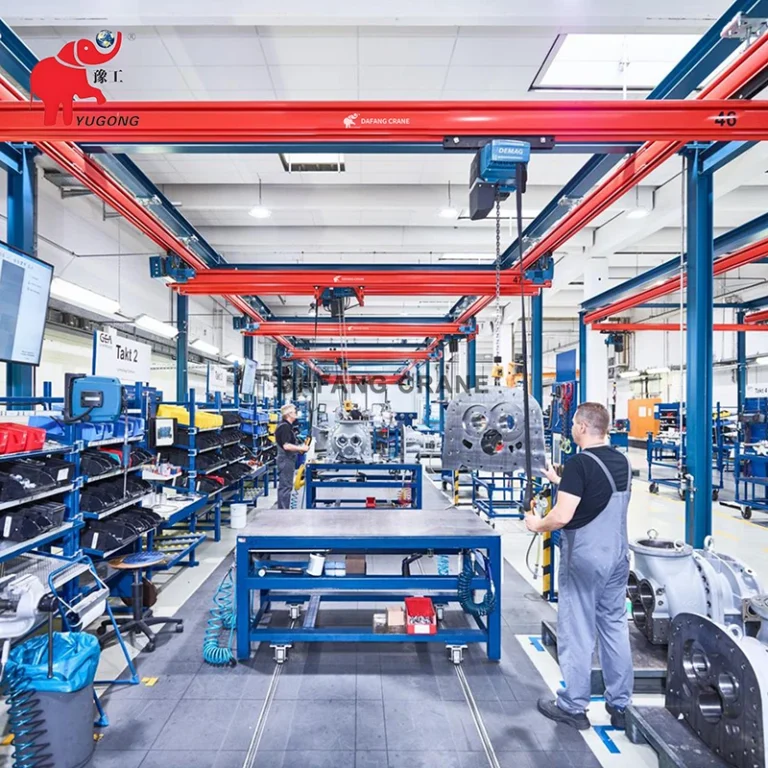
Un système de pont roulant léger en aluminium ou en acier, à voie fermée, conçu pour un déplacement manuel ou semi-motorisé rapide et sans effort au sein d'une cellule de travail définie.
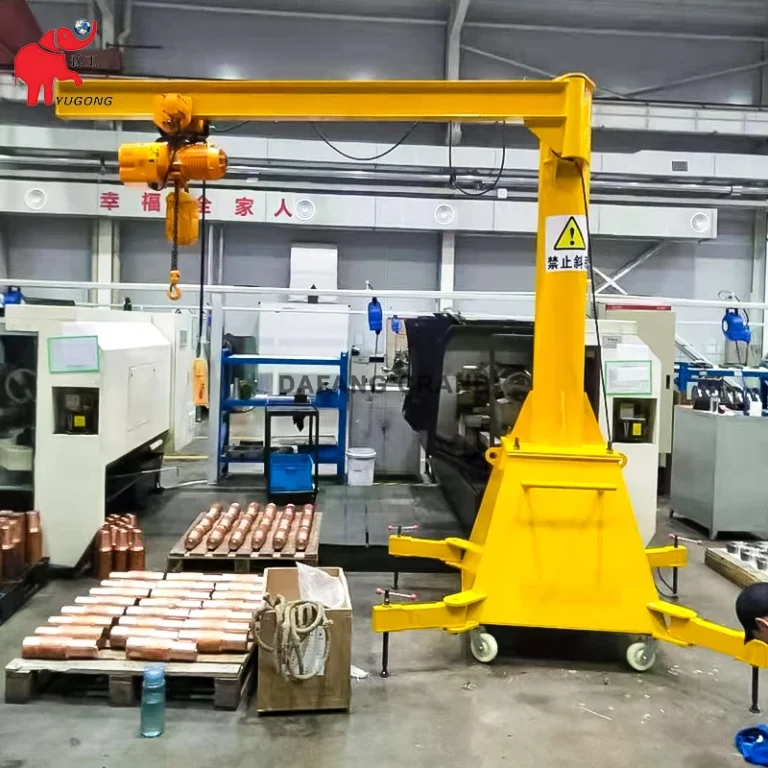
Fonction similaire à celle d'une flèche à colonne, mais fixée par un support à un mur ou une colonne de bâtiment existante, ce qui permet de gagner totalement de l'espace au sol.
Une flèche à bras pliable qui permet d'atteindre les coins et de contourner les obstacles, là où une flèche à bras droit ne peut pas aller.
Un palan à câble compact, conforme aux normes européennes et construit selon les classifications de service FEM, utilisé comme unité de levage sur les ponts roulants à double poutre et à poutre unique dans toute l'usine.
Un chariot sur pneus, alimenté par batterie ou par câble, offrant la même fonction de transfert de charges lourdes qu'un chariot sur rails, sans infrastructure ferroviaire fixe.
Un véhicule à guidage automatique pour le transport de matériaux sans conducteur, suivant une bande magnétique, un guidage laser ou une navigation basée sur la vision.
Les ateliers de presse ont besoin d'équipements capables de déplacer des matrices lourdes rapidement, en toute sécurité et de manière répétable. Nous spécifions généralement ponts roulants européens à double poutre avec palans électriques à câble FEM (souvent des configurations à double crochet pour les géométries de matrices déséquilibrées) pour la baie de presse principale, associées à chariots de transfert ferroviaires Pour transporter les matrices entre les lignes de presse et la zone de stockage, des grues à flèche sur colonne prennent en charge les opérations d'outillage et de maintenance de petite taille aux postes de presse individuels, sans immobiliser la grue principale.
L'atelier de carrosserie combine la manutention à haute fréquence de pièces de poids moyen (panneaux, sous-ensembles) avec la nécessité de dégager le sol pour les cellules de soudage robotisées. ponts roulants de poste de travail desservir les cellules de soudage individuelles et les stations de sous-assemblage, tandis que grue européenne monopoutre ou bipoutre (en fonction du poids de la coque) assure le transfert de la caisse en blanc entre les principales gares. Chariots de transfert sans rails Elles sont courantes ici car l'agencement des ateliers de carrosserie change plus souvent que dans d'autres zones, au gré de l'évolution des modèles.
Les ponts roulants d'atelier de peinture nécessitent des finitions résistantes à la corrosion et, dans de nombreux cas, des composants électriques antidéflagrants ou résistants aux étincelles à proximité des cabines de peinture et des fours. ponts roulants monopoutre avec des boîtiers électriques adaptés, gèrent le transfert des carrosseries vers et depuis les cabines de prétraitement, d'électrodéposition et de peinture, généralement à des capacités plus légères à moyennes que celles de l'atelier de carrosserie ou de l'atelier de presse.
La fabrication des moteurs et des transmissions exige une grande précision de positionnement lors de la manipulation des blocs, du sous-assemblage et de l'accouplement final moteur/transmission. pont roulant de poste de travail dominent les cellules de sous-assemblage, tandis que grues bipoutres européennes Les palans à variateur de fréquence à réglage fin permettent de manipuler des blocs et des pièces moulées plus lourds, et chariots de transfert ferroviaires Déplacer les groupes motopropulseurs terminés vers les postes d'assemblage sur la chaîne de montage principale.
La production de cellules et de modules de batteries se déroule dans un environnement plus propre et plus sensible que le reste de l'usine. grues de poste de travail avec des palans à variateur de fréquence (VFD) fluides et à vibrations minimisées, le mouvement des modules et des plateaux est assuré, tandis que chariots de transfert AGV sont de plus en plus utilisées pour déplacer des matériaux entre les étapes de processus sans introduire de circulation manuelle de chariots élévateurs à proximité d'électronique sensible.
L'installation du bloc-batterie dans le châssis du véhicule est l'une des opérations les plus délicates et exigeantes en termes de précision dans la fabrication des véhicules électriques. Nous recommandons grues européennes à poutre simple ou double (dimensionnés en fonction du poids d'emballage, généralement de 0,5 à 2 tonnes pour les modules et jusqu'à plusieurs tonnes pour les emballages complets) équipés de poutres de levage personnalisées ou de dispositifs d'inclinaison/rotation, contrôlés par des palans à variateur de fréquence à vitesse fine pour une précision de placement au millimètre près. chariots de transfert AGV Ils gèrent fréquemment l'approche du convoi vers le poste de mariage, la grue ou une table élévatrice dédiée assurant la mise en place finale.
La chaîne d'assemblage finale repose sur des dizaines de petits levages rapides et ergonomiques plutôt que sur quelques levages lourds. ponts roulants de poste de travail Ce sont ici les principaux équipements, comprenant des palans électriques à chaîne, des outils de serrage et des dispositifs d'assistance au levage à chaque poste afin de réduire la fatigue de l'opérateur et de maintenir des temps de cycle constants.
Les zones de stockage des matières premières, des composants et des pièces finies nécessitent des équipements efficaces et à haut rendement. ponts roulants monopoutre européens couvrant de longues étendues d'entrepôt, soutenues par chariots de transfert sans rails ou AGV Pour les déplacements horizontaux vers et depuis les lignes de production, il s'agit de la configuration standard.
Les ateliers de maintenance et les salles d'outillage sont les principaux bénéficiaires de grues à flèche à colonne, grues à flèche murales, et grues à flèche articulée positionnées sur les établis individuels et les machines-outils, elles permettent de maintenir les charges lourdes disponibles au point d'utilisation sans avoir à retirer les grues de production principales de la chaîne.
| Zone de production | Charge typique | Grue recommandée | Avantages |
|---|---|---|---|
| Atelier de presse (manipulation des matrices) | 10 à 40 tonnes | Grue bipoutre européenne + chariot de transfert ferroviaire | Capacité élevée, double crochet, changement de matrice rapide et répétable |
| Atelier de carrosserie | 0,5 à 8 tonnes | Pont roulant pour poste de travail | Manipulation à haute fréquence, acheminement flexible autour des cellules robotisées |
| Atelier de peinture | 0,5 à 5 tonnes | Grue monopoutre européenne | Construction résistante à la corrosion, compatible avec les exigences électriques des cabines de peinture |
| Groupe motopropulseur | 1 à 15 tonnes | Pont roulant bipoutre européen + pont roulant de poste de travail | Précision de positionnement fine pour les opérations de blocage et d'accouplement |
| Fabrication de batteries | 0,1 à 2 tonnes | Ponts roulants de poste de travail + chariot de transfert AGV | Manipulation en douceur et contrôlée des composants sensibles |
| Assemblage de la batterie pour véhicules électriques | 0,5 à 5 tonnes | Grue européenne monopoutre/bipoutre (poutre de levage sur mesure) | Précision de positionnement au millimètre près pour l'installation des packs |
| Ligne d'assemblage final | 0,1 à 2 tonnes | Pont roulant pour poste de travail | Manipulation ergonomique, à faible effort et à cycle élevé à chaque poste |
| Entrepôt | 1 à 20 tonnes | Grue monopoutre européenne + chariot sans rails/AGV | Couverture à grande portée, transfert horizontal efficace |
| Atelier de maintenance | 0,5 à 10 tonnes | Grue à flèche sur colonne/mur | Levage sur site sans occuper les voies de roulement principales des grues |
| Stockage d'outillage et de matrices | 5 à 40 tonnes | Chariot de transfert ferroviaire + Grue à double poutre | Mouvement à trajectoire fixe répétable et de grande capacité |
Chaque usine automobile présente des contraintes de construction, une production et un cycle d'utilisation qui lui sont propres. Que vous envisagiez une nouvelle ligne de production, la modernisation d'équipements existants ou le choix de ponts roulants pour une nouvelle usine, notre équipe d'ingénieurs peut analyser l'agencement et les exigences de charge de votre site et vous recommander un système adapté à votre processus.
Contactez Dafang Crane pour :
Communiquez-nous vos informations de production, les poids de charge habituels et les dimensions de votre bâtiment, et nos ingénieurs élaboreront une configuration de grue recommandée pour votre installation.
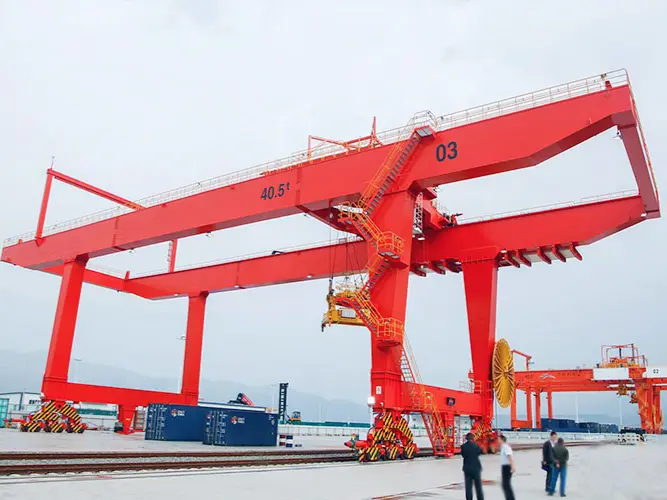
La manutention portuaire des marchandises désigne les processus et les équipements utilisés pour charger, décharger, transférer, stocker et gérer les marchandises dans les terminaux maritimes.
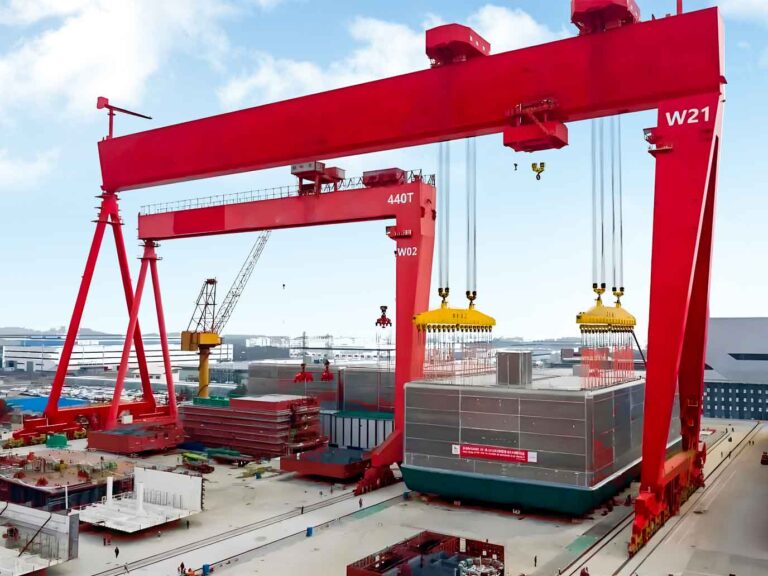
Un portique de construction navale est un système de levage robuste conçu pour les chantiers navals afin de transporter et d'assembler de grands blocs de construction navale.
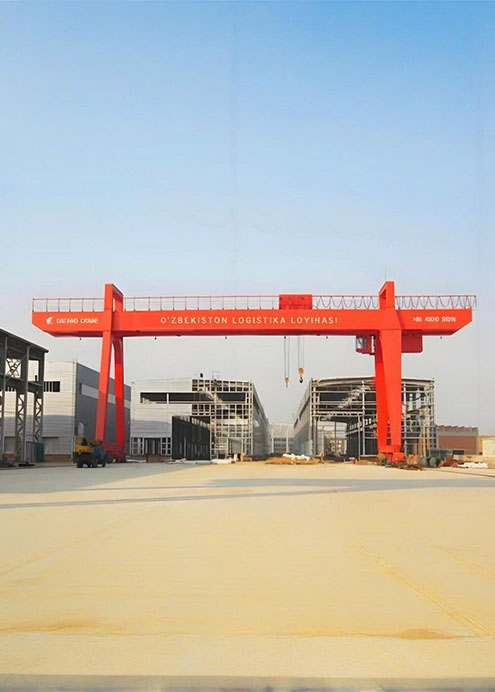
Sur le chantier d'un projet de construction à grande échelle