






Brazil is the largest economy in Latin America and one of the world's most significant markets for industrial equipment. With extensive natural resources, a diversified manufacturing base, major port infrastructure, rapidly expanding renewable energy capacity, and ongoing logistics modernization programs, the country generates consistent, large-scale demand for heavy lifting and material handling equipment across multiple industry sectors.
Cranes are fundamental to the execution of industrial projects in Brazil. From iron ore processing in Minas Gerais to container terminal operations at the Port of Santos, from automotive assembly plants in São Paulo state to wind farm construction in the Northeast, cranes move materials, install equipment, support maintenance operations, and enable the production processes that underpin Brazil's industrial output.
This article analyzes the five industries generating the strongest crane demand in Brazil, examines the crane types most commonly deployed in each sector, and identifies the investment trends that will sustain and grow that demand through the end of the decade.
Tabla de Contenidos
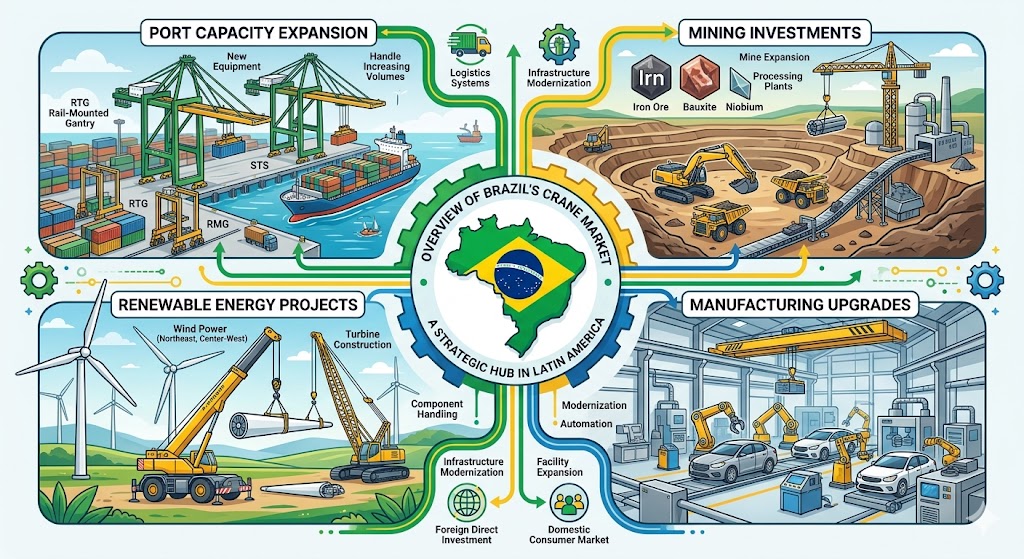
Overview of Brazil's Crane Market
Brazil's crane market is shaped by a combination of structural industrial strengths and ongoing investment cycles that together create demand across virtually every crane category.
Economic Drivers
Brazil's export-oriented commodity economy — built on iron ore, soybeans, petroleum, and processed goods — requires port infrastructure, mining equipment, and logistics systems capable of handling the volumes that sustain the country's trade position. Simultaneously, ongoing industrialization, a large domestic consumer market, and growing foreign direct investment in manufacturing and energy continue to require new and upgraded production facilities.
Infrastructure modernization is a consistent driver across government administrations. Rail freight expansion, logistics park development, and port capacity investment programs generate demand for cranes used in construction, installation, and ongoing operations.
Why Crane Demand Is Increasing
Several concurrent trends are intensifying crane demand across Brazilian industry:
These overlapping investment cycles position Brazil as one of the most strategically important crane markets in Latin America for both domestic and international crane manufacturers and suppliers.
Industry 1 — Mining Industry
Why Mining Drives Crane Demand in Brazil
Brazil's position as a major global mining producer generates crane demand at a scale that few other industries can match. The country is the world's second-largest iron ore producer, a major supplier of bauxite and alumina, and holds significant reserves of nickel, copper, manganese, and niobium. Mining operations at this scale require extensive material handling infrastructure, processing plant equipment, and maintenance facilities — all of which depend on cranes.
Brazil mining crane applications span the full lifecycle of a mining operation: from initial mine development and processing plant construction, through ongoing ore handling and equipment maintenance in production, to the periodic major maintenance overhauls that sustain equipment reliability over decades of operation.
The concentration of iron ore production in the Iron Quadrangle region of Minas Gerais and in the Carajás district of Pará generates crane demand in both areas. Bauxite mining in Pará and alumina processing along the northern coast require dedicated crane infrastructure supporting the handling of both ore and processed product.
Common Cranes Used in Mining
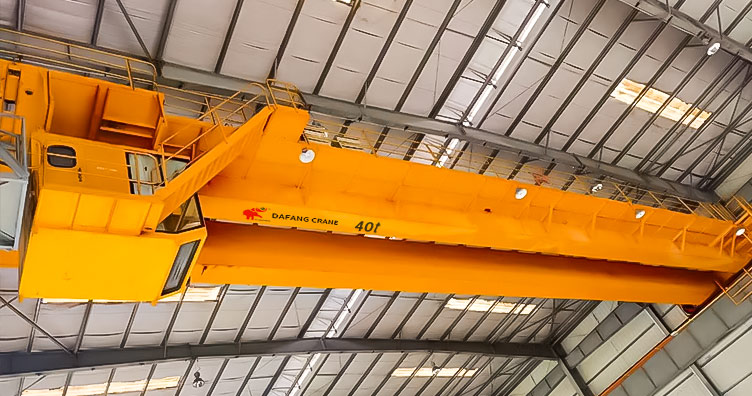
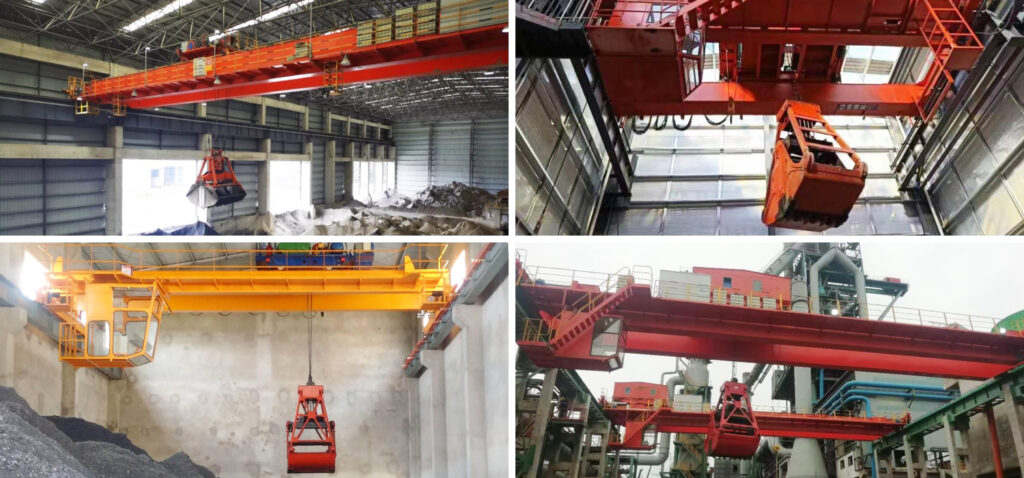
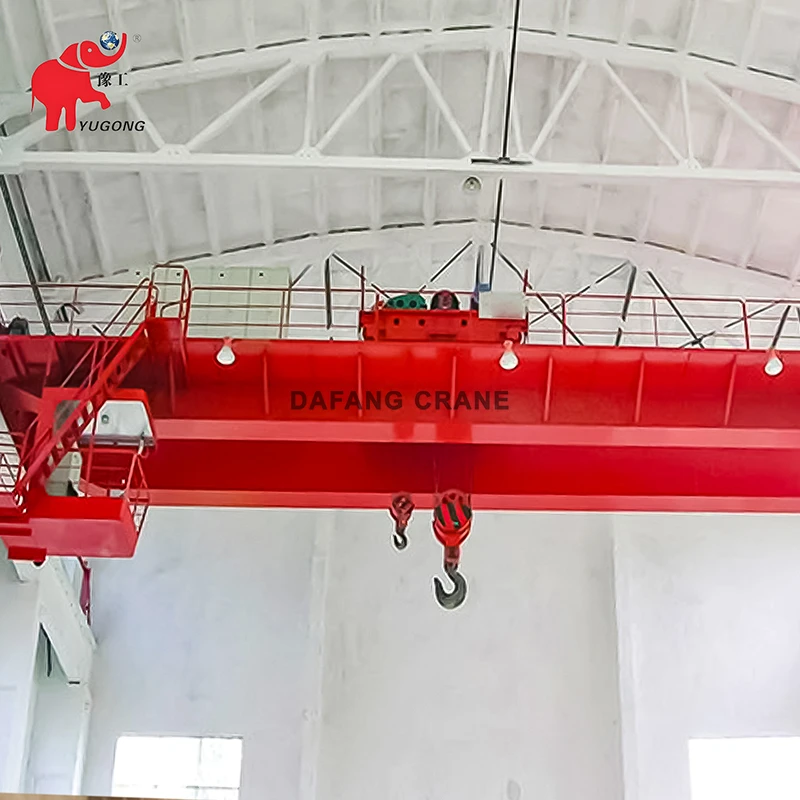
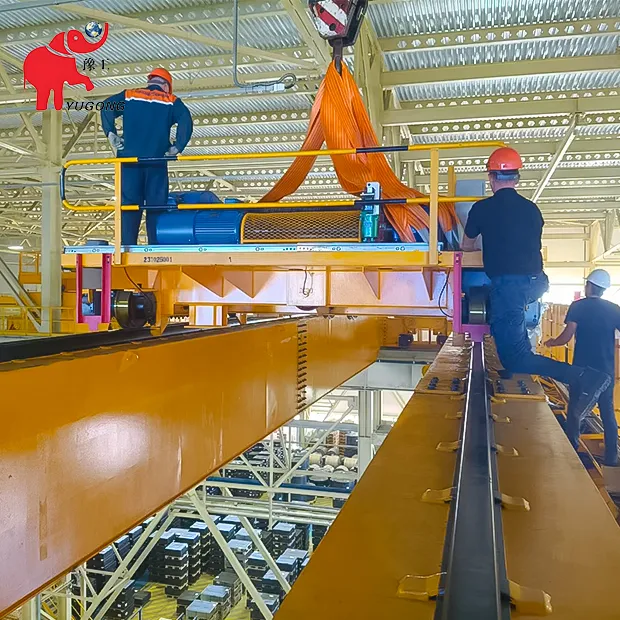
Puentes grúa are deployed throughout mining processing facilities — crusher buildings, grinding mill halls, flotation plant buildings, and smelter structures — for equipment installation, maintenance lifts, and ongoing operational support. Double girder configurations with high duty class ratings are standard for the intensive service conditions of processing plant environments.
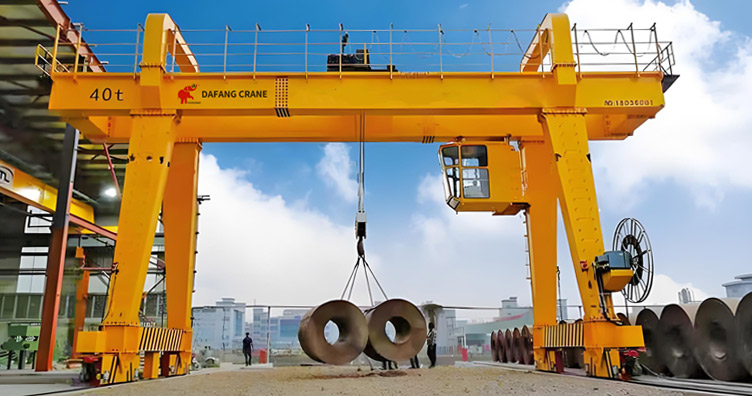
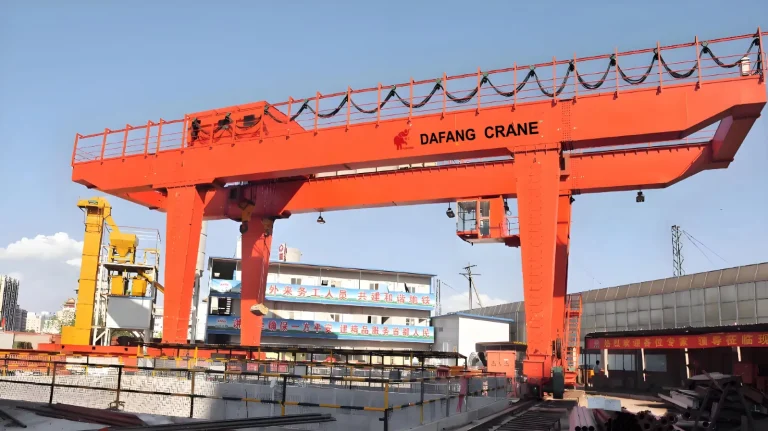
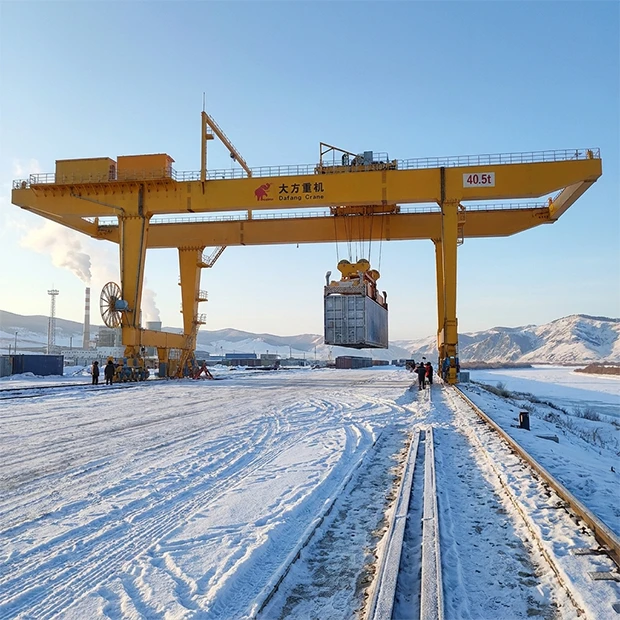
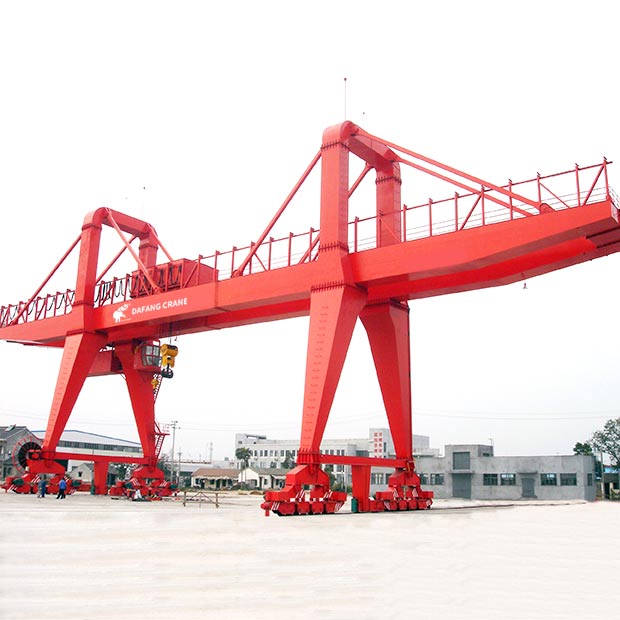
Gantry cranes serve outdoor ore stockyard operations, equipment storage areas, and open-air maintenance facilities where fixed overhead crane runways are not practical. Rail-mounted gantry configurations are common in large-scale ore handling yards.
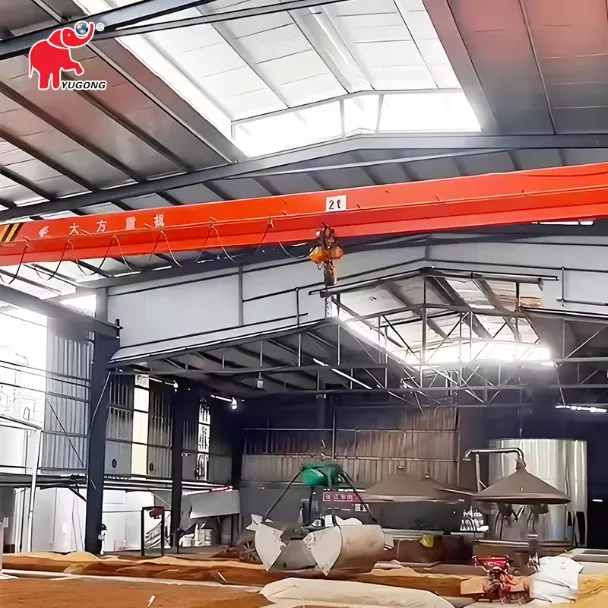
Grab bucket overhead cranes handle bulk material within processing plants — ore transfer between stockpiles, feeding crushers and mills, and managing concentrate and tailings materials.
Future Mining Investments
Brazil's mining sector continues to attract significant capital investment. Vale, the world's largest iron ore producer, has ongoing expansion programs at Carajás and is investing in processing technology upgrades that require new and replacement crane systems. Junior miners and international mining companies are developing copper, nickel, and lithium projects to serve battery supply chain demand.
Processing facility modernization — driven by environmental compliance requirements and efficiency improvements — is replacing older plant equipment with modern systems, generating crane demand for both the installation phase and the ongoing maintenance of upgraded facilities. The trend toward greater automation in mine operations will increase demand for precision-controlled crane systems integrated with material tracking and production management platforms.
Industry 2 — Ports and Container Terminals
Growth of Port Infrastructure
Brazil's port network handles the largest volume of container and commodity trade in Latin America. The Port of Santos alone is the busiest port in Latin America and one of the largest in the Southern Hemisphere by container throughput. Ports at Paranaguá, Itajaí, Rio de Janeiro, Salvador, Suape, and several other locations form a network that moves the agricultural, industrial, and mineral exports that dominate Brazil's trade balance.
Brazil port crane demand is driven by both greenfield terminal development and the modernization of existing facilities. Container terminal operators are investing in higher-capacity, more automated equipment to handle growing throughput volumes with greater efficiency and lower cost per move. Commodity terminals handling grain, sugar, fertilizer, and petroleum products require specialized crane and conveyor equipment for efficient bulk handling.
Common Port Cranes
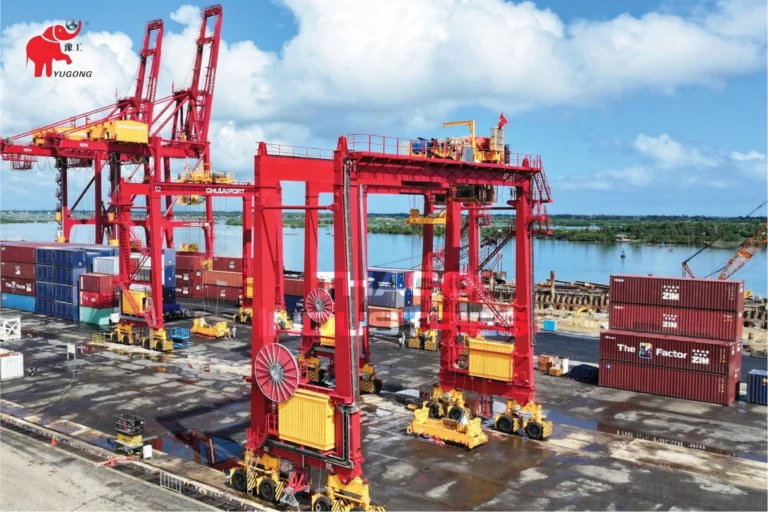
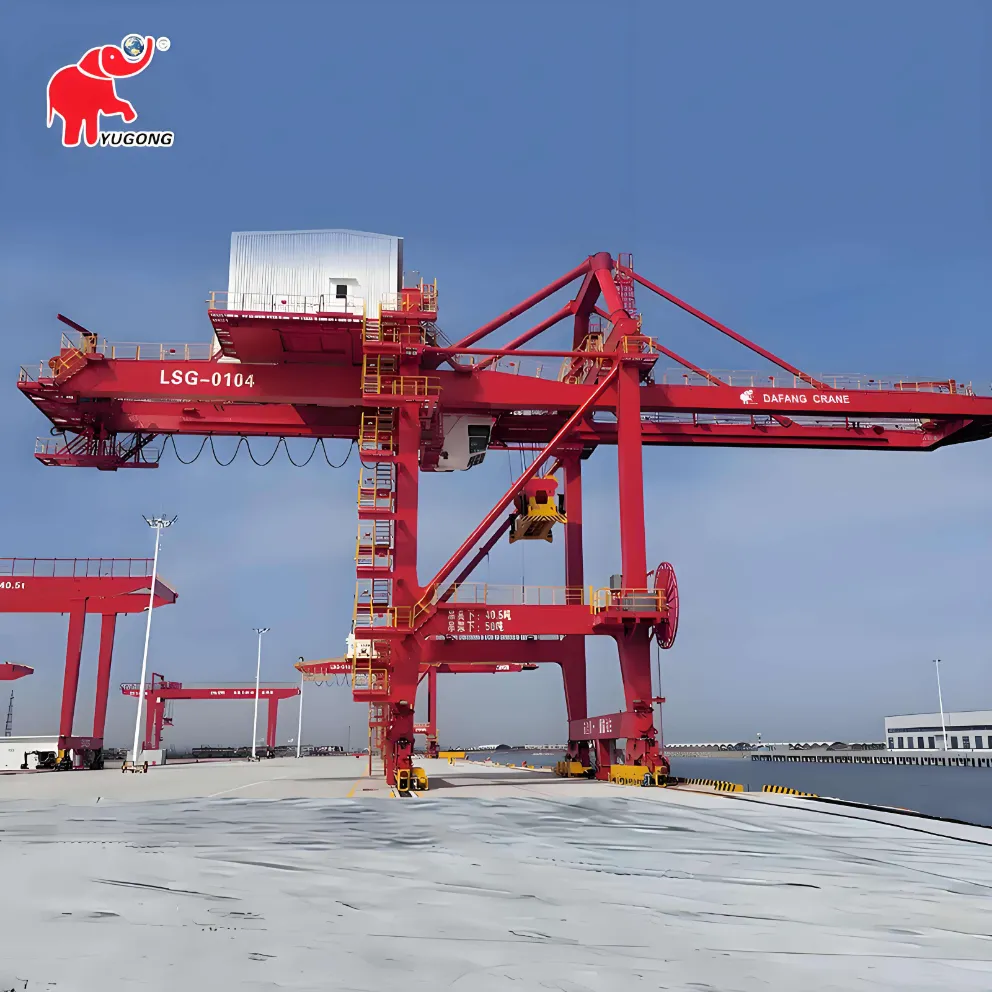
Ship-to-shore (STS) cranes are the primary equipment for container loading and unloading at major terminals. Brazil's major container ports have been investing in post-Panamax and super post-Panamax STS cranes capable of serving the largest container vessels on the South America trade lanes.
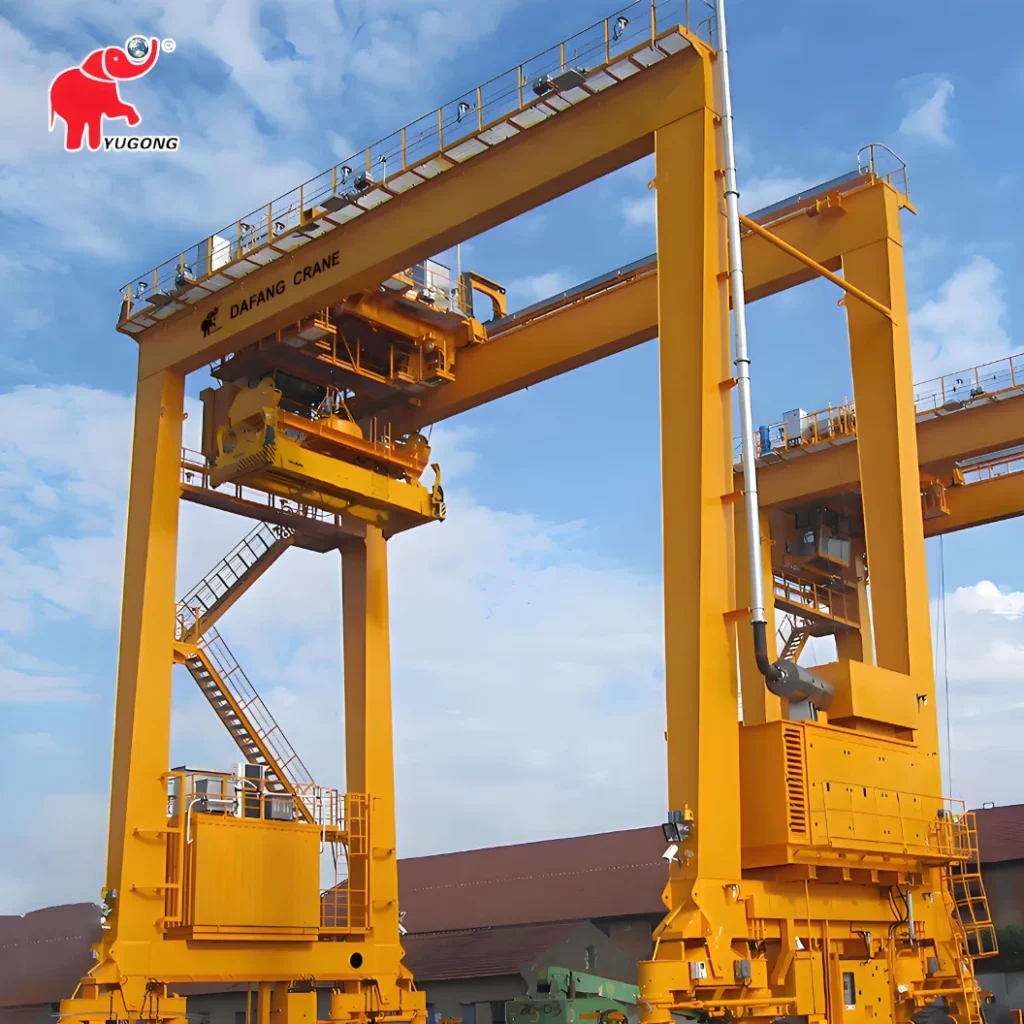
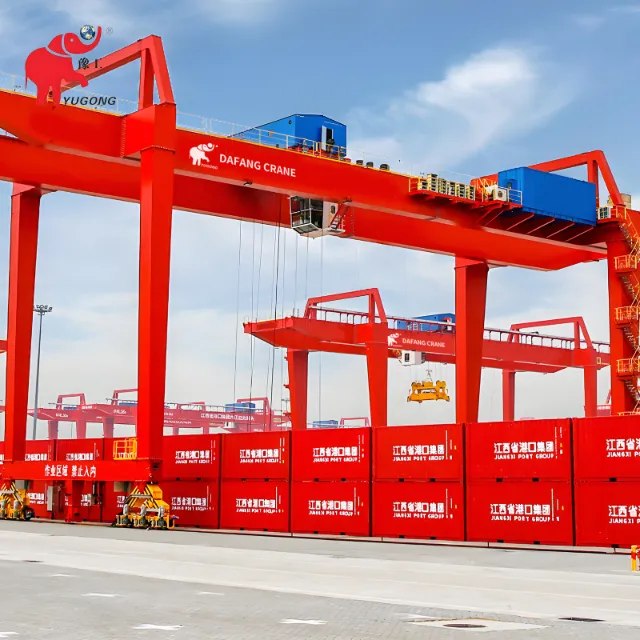
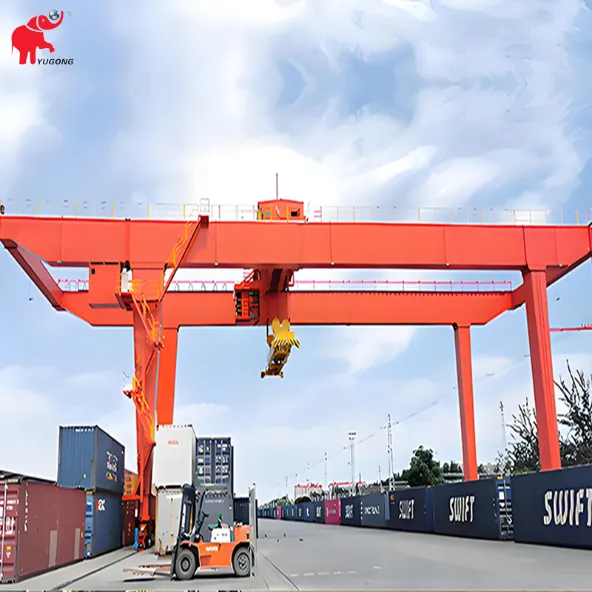
RTG cranes (rubber-tyred gantry cranes) are the most widely deployed yard crane type at Brazilian container terminals, stacking containers in the yard and interfacing with truck lanes and internal transport. Existing RTG fleets are progressively being electrified and in some cases semi-automated as terminal operators pursue efficiency and sustainability improvements.
RMG cranes (rail-mounted gantry cranes) are deployed at rail-linked intermodal terminals and at facilities where the higher stacking density and automation potential of fixed-rail systems justify the infrastructure investment.
Mobile harbor cranes serve multipurpose terminals and smaller ports where the flexibility to handle a variety of cargo types and vessel configurations is more valuable than the specialized performance of fixed crane systems.
Smart Port Development
Brazilian port operators and the federal port authority are actively pursuing smart port development programs that incorporate automation, digital logistics, and real-time data management into terminal operations. Semi-automated and fully automated crane systems are under evaluation at several major terminals. Remote operation technology for RTG cranes — replacing crane cabs with remote workstations — is being implemented at progressive Brazilian terminals ahead of full automation programs.
These technology investment programs represent a significant long-term opportunity for crane manufacturers with demonstrated automation capability, as Brazilian terminal operators seek equipment that can evolve from current semi-automated configurations toward full automation as operational experience and technology confidence develop.

Industry 3 — Manufacturing and Industrial Production
Manufacturing Growth in Brazil
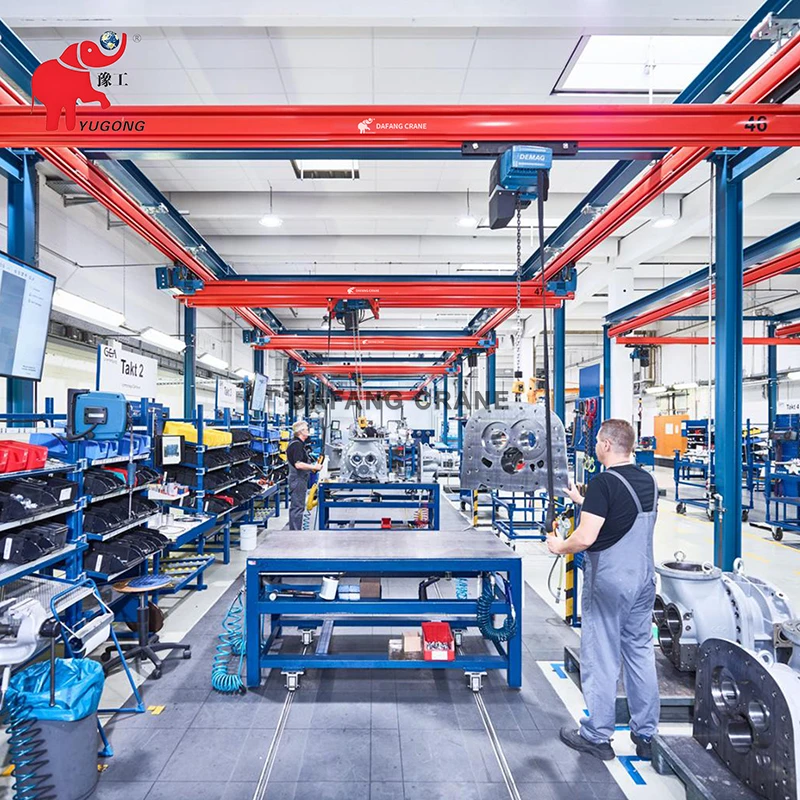
Brazil's manufacturing sector generates consistent crane demand across a broad range of subsectors. The automotive industry — with major production facilities operated by Volkswagen, General Motors, Stellantis, Toyota, and domestic manufacturers — is one of the largest users of Brazil manufacturing crane systems, requiring overhead cranes and workstation lifting systems throughout assembly, stamping, and powertrain manufacturing operations.
Steel production and metal fabrication generate demand for heavy-duty double girder overhead cranes, metallurgical cranes, and electromagnetic cranes across steelworks, rolling mills, and service centers. Brazil has a substantial domestic steel industry, with ArcelorMittal, Gerdau, and Usiminas among the largest producers, all operating facilities that require crane systems across the full capacity range.
Machinery manufacturing, industrial equipment production, and consumer goods manufacturing collectively represent a large installed base of overhead crane systems in facilities distributed across São Paulo, Rio de Janeiro, Minas Gerais, Rio Grande do Sul, and other industrial states.
Common Manufacturing Cranes
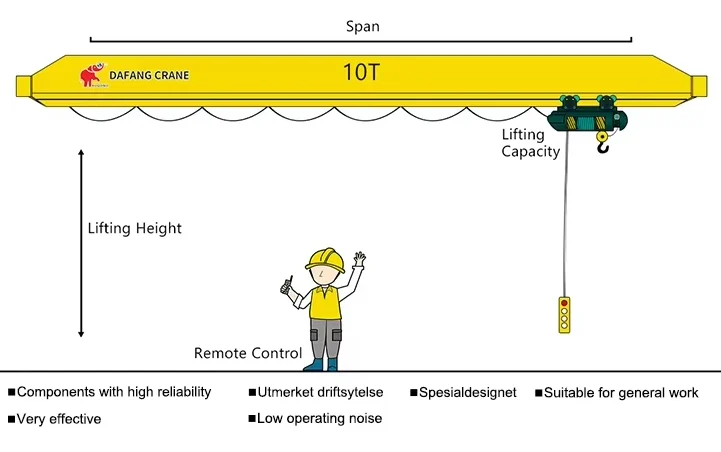
Puentes grúa monorraíl serve light to medium manufacturing applications — assembly operations, parts handling, mold handling, and maintenance — where capacities up to approximately 20 tons and standard spans are sufficient.
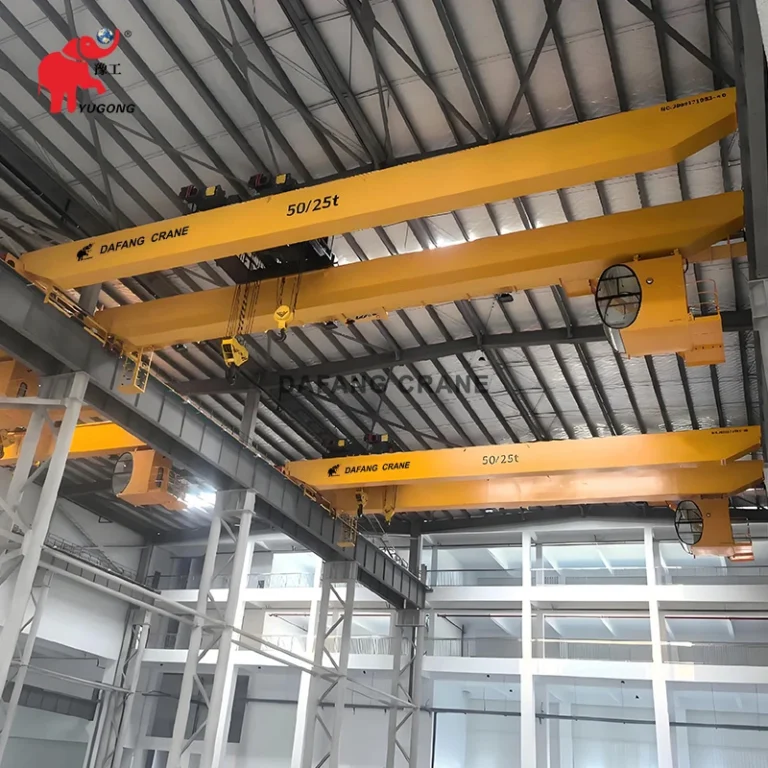
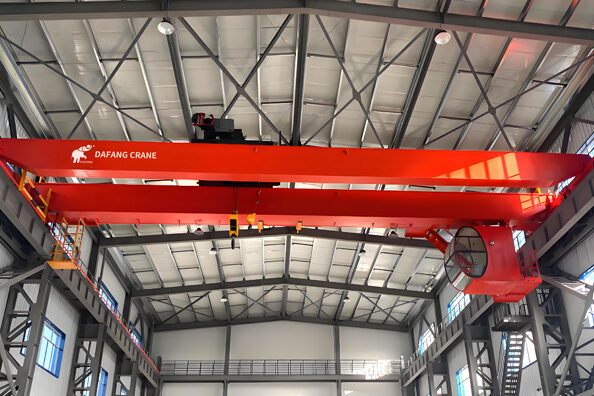
Grúas puente de doble viga handle the heavier applications in steel fabrication, heavy equipment manufacturing, press shops, and foundries, where capacities from 20 to 200 tons and high duty class ratings are required.
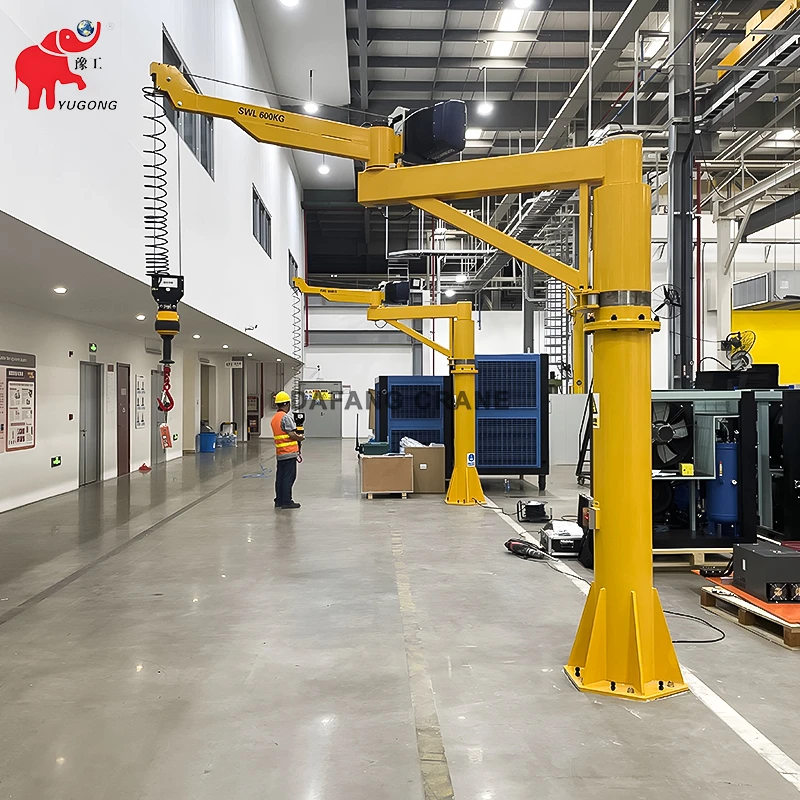
Jib cranes provide localized lifting capability at individual workstations — machine loading and unloading, assembly fixture positioning, and component handling — without requiring a full overhead crane system at every position.
Workstation cranes (light-duty bridge crane systems on freestanding or ceiling-mounted runways) serve ergonomic material handling applications in assembly areas, packaging lines, and parts kitting operations.
Industry 4.0 Upgrades
Brazilian manufacturers are investing in Industry 4.0 infrastructure — connected production systems, automated material handling, and digital quality management — as a competitive response to rising labor costs and global manufacturing competition. These investments affect crane procurement in several ways.
Automated crane systems integrated with production management software are being deployed in high-throughput facilities to reduce operator dependency and improve material flow consistency. Smart monitoring systems on existing crane fleets provide maintenance teams with condition data that supports predictive maintenance strategies. New crane installations are increasingly specified with IoT connectivity and variable frequency drives as standard features rather than optional upgrades.
Industry 4 — Wind Energy and Renewable Power
Brazil's Renewable Energy Expansion
Brazil is one of the world's leading renewable energy markets. Wind power capacity has grown dramatically over the past decade, with the country now ranking among the top ten global markets by installed wind capacity. The majority of operational wind capacity is concentrated in the Northeast region — Rio Grande do Norte, Ceará, Bahia, Piauí, and neighboring states — where consistent trade winds provide high capacity factors for wind generation.
The federal government's energy expansion programs and private investment driven by power purchase agreements continue to support new wind farm development. Offshore wind is emerging as a future growth frontier, with several projects in the environmental licensing and development stages along Brazil's extensive coastline. Solar PV capacity is also expanding rapidly, driving demand for the construction and maintenance equipment used in utility-scale solar development.
Crane Applications in Wind Projects
Brazil wind energy crane demand spans the complete wind project lifecycle — from component manufacturing through construction, commissioning, and ongoing operations and maintenance.
Puentes grúa in wind turbine manufacturing facilities handle nacelle assembly, generator and gearbox installation, blade root fitting, and hub assembly operations. Brazil has developed a domestic wind turbine manufacturing base, with Wobben Windpower (Enercon's Brazilian subsidiary), Vestas, and other manufacturers operating production facilities in the Northeast that require industrial crane infrastructure.
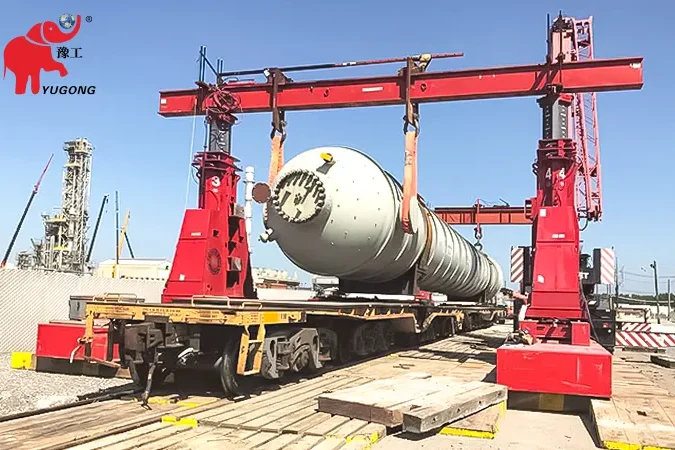
Grúa pórtico hidráulica serve component storage areas, blade staging yards, and outdoor handling operations at manufacturing facilities and port loading facilities where tower sections, blades, and nacelle components are prepared for transport to wind farm sites.
Future Growth Outlook
Brazil's renewable energy expansion is expected to continue through the end of the decade and beyond. Government auction programs for wind and solar capacity, combined with corporate power purchase agreements from energy-intensive industries, will sustain new project development. The emerging offshore wind sector, if it achieves commercial development, will create demand for specialized heavy-lift crane equipment used in offshore foundation installation, turbine erection, and cable-laying support operations.
The domestic wind turbine manufacturing industry, which has grown significantly with government local content requirements, will continue to generate crane demand in manufacturing facilities as production capacity expands to serve both the domestic market and potential export opportunities.
Industry 5 — Infrastructure and Logistics Projects
Major Infrastructure Investments
Brazil's infrastructure development program encompasses railway expansion, logistics park construction, warehouse development, and industrial zone establishment across multiple states. The federal government's infrastructure concession programs have attracted private investment in port access rail, interstate freight corridors, and intermodal logistics hubs that together represent a substantial crane demand pipeline.
Rail freight infrastructure — historically underdeveloped relative to Brazil's geographic scale — is receiving significant investment from both public programs and private concessionaires. New rail lines, freight terminals, and intermodal transfer facilities create demand for Brazil infrastructure crane systems used in both the construction phase and the ongoing operations of completed facilities.
Logistics parks and distribution centers serving São Paulo, Rio de Janeiro, Curitiba, and other major consumption centers are a growing segment of the real estate and industrial infrastructure market, with some facilities requiring overhead crane systems for heavy goods handling.
Crane Applications
Gantry cranes are deployed in rail freight yards, container depots, heavy equipment storage facilities, and outdoor logistics operations where the mobility or span requirements of the application suit gantry configurations over fixed overhead systems.
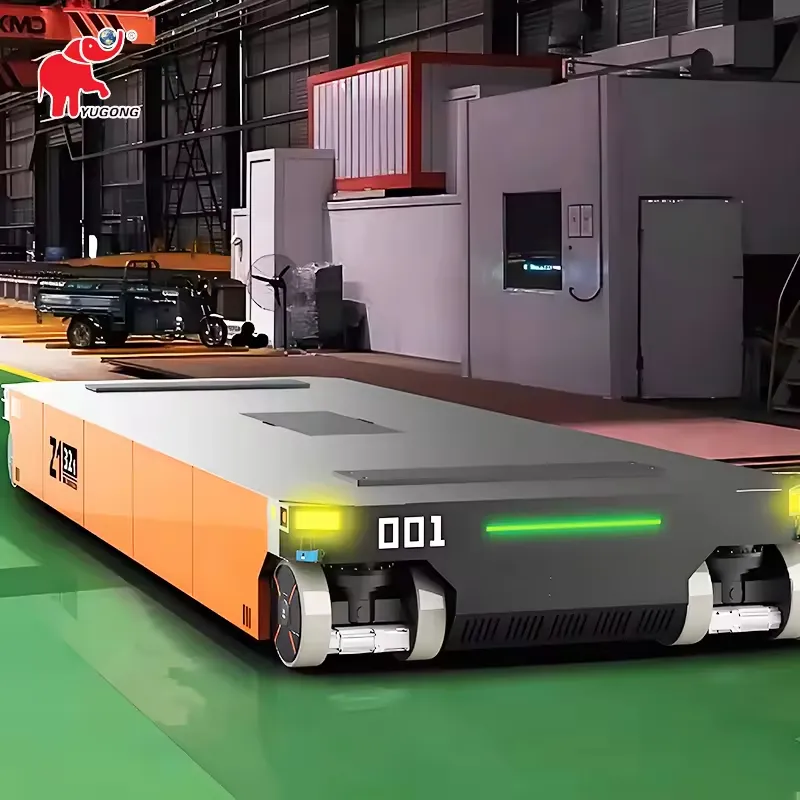
Carro de transferencia AGV in warehouse and logistics facilities handle heavy goods, palletized materials requiring mechanical assistance above manual handling limits, and equipment maintenance in facility workshops.
Rail-mounted crane systems at intermodal terminals transfer containers and heavy cargo between rail, road, and storage, using either RMG-type gantry configurations or specialized transfer cranes adapted to the specific cargo types handled.
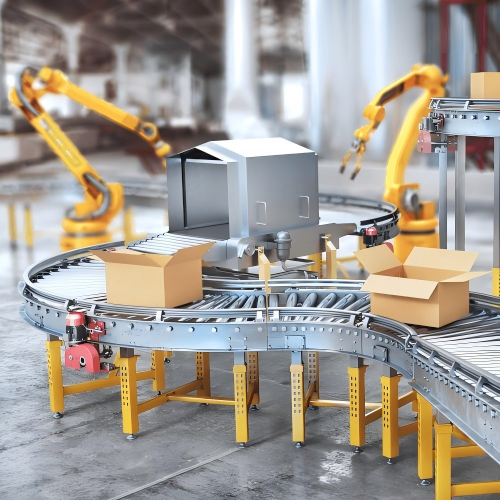
Material handling systems integrating cranes with conveyor, sorting, and storage systems are deployed in automated distribution centers serving e-commerce, automotive parts distribution, and retail logistics operations.
Long-Term Development Potential
Brazil's infrastructure development potential remains significant relative to the scale of the economy. Urbanization is continuing, freight transportation volumes are growing, and the shift from road-dependent to multimodal logistics — driven by congestion costs and fuel economics — is creating sustained demand for the infrastructure that modern logistics requires.
Industrial zone development in secondary cities and new economic regions, supported by state-level investment incentives, creates crane demand not only in the construction of new facilities but in equipping them with material handling systems matched to the production processes they host.

What Types of Cranes Are Most in Demand in Brazil?
| Tipo de grúa | Main Industry | Aplicación típica |
|---|---|---|
| Puente grúa birraíl | Manufacturing, Steel, Mining | Workshop heavy lifting, maintenance operations |
| Puente grúa monorraíl | Manufacturing, Logistics | Assembly, parts handling, light industrial |
| Grúa pórtico | Infrastructure, Mining, Ports | Outdoor lifting, stockyard operations |
| Ship-to-Shore (STS) Crane | Ports | Container loading and unloading from vessels |
| Grúa RTG | Container Terminals | Yard container stacking and truck interface |
| Grúa RMG | Rail Terminals, Automated Ports | Container stacking, intermodal transfer |
| Mobile Harbor Crane | Multipurpose Ports | General cargo, bulk, containers at smaller terminals |
| Grúa giratoria | Fabricación | Workstation lifting, machine loading |
| Grab Bucket Crane | Mining, Bulk Terminals | Ore and bulk material handling |
| Electromagnetic Crane | Steel, Metal Fabrication | Steel plate, billet, and coil handling |
Demand trends favor equipment with higher automation capability, variable frequency drive systems, and smart monitoring integration — reflecting the broader industrial modernization agenda across all five sectors analyzed. Equipment reliability and the availability of local technical support are consistently cited as priority procurement criteria by Brazilian industrial buyers.
Challenges Facing Brazilian Industrial Projects
- Equipment availability: Brazil's scale and geographic distribution mean that crane deliveries — whether from domestic manufacturers or imports — involve complex logistics. Lead time planning is important, particularly for major capital projects with defined construction schedules.
- Maintenance support: Crane systems operating in remote mining locations, offshore-proximate port environments, or wind farms in the Northeast face challenges in accessing qualified maintenance technicians and spare parts within operationally acceptable timeframes.
- Spare parts supply: Import duties, customs procedures, and the logistics of supplying parts to remote locations can extend equipment downtime in Brazil compared to markets with simpler import environments. Manufacturers with Brazilian inventory or established local distribution partners offer meaningful competitive advantage in this respect.
- Formación de operadores: The technical skill level required for modern crane systems — particularly automated or semi-automated configurations — requires structured training programs that are not universally available in all industrial regions of Brazil.
- Automation requirements: Brazilian industrial operators are increasing their automation ambitions faster than the local service infrastructure supporting automated crane systems has developed. Manufacturers entering the market with automation offerings need to commit to the local support capability that these systems require.
Experienced crane manufacturers — domestic or international — address these challenges through local partnerships, Brazilian spare parts stocking, Portuguese-language training programs, and service commitments that acknowledge the practical realities of industrial operations in Brazil.
Opportunities for Global Crane Manufacturers
Brazil's five major crane-demand sectors create distinct opportunities for manufacturers with relevant product capability and the commitment to serve the market effectively.
- Mining expansion creates demand for high-capacity, high-duty-class overhead crane systems, gantry cranes, and specialized maintenance cranes. Manufacturers with experience in comparable global mining markets — Australia, Chile, South Africa — are well-positioned to transfer that experience to Brazilian projects.
- Port modernization creates demand for STS cranes, automated RTG systems, and RMG installations. Terminal operators are evaluating global suppliers with demonstrated automated container handling experience, making this a market where technology leadership is a significant differentiator.
- Manufacturing upgrades create steady demand across the full overhead crane range, with opportunities for manufacturers offering smart monitoring, energy-efficient drive systems, and automation-ready control architectures.
- Renewable energy growth creates demand in turbine manufacturing facilities and wind farm O&M infrastructure, a market that will continue growing as Brazil's installed wind capacity expands.
- Logistics infrastructure projects create demand for gantry cranes, overhead cranes, and integrated material handling systems in a sector where procurement is often driven by EPC contractors who are themselves actively evaluating global crane supplier relationships.
Future Outlook for Crane Demand in Brazil (2026–2030)
Automation Trends
Automation adoption in Brazilian manufacturing, ports, and logistics facilities will accelerate through 2030, driven by labor cost pressures, quality improvement requirements, and the availability of more affordable automation technology. Crane systems with integrated positioning, load monitoring, and production system interfaces will become standard requirements in new facility specifications.
Smart Ports
Brazil's major container terminals are committed to smart port development pathways that include progressive automation of crane systems, digital cargo tracking, and AI-based yard optimization. Equipment procurement programs at Santos, Paranaguá, Itajaí, and other major terminals through 2030 will reflect this automation agenda.
Renewable Energy Growth
Installed wind capacity in Brazil is projected to continue growing through the end of the decade, supported by government auction programs and corporate PPA markets. The potential development of offshore wind creates an additional, larger-scale demand horizon beyond the current onshore market. Combined with continued solar PV development, the renewable energy sector will remain a consistent source of crane demand in both manufacturing and project execution.
Industrial Modernization
Across manufacturing, steel, automotive, and industrial equipment sectors, ongoing capital investment in facility modernization will sustain crane replacement and upgrade demand. The transition from older, manually operated crane systems to modern variable-frequency drive systems with smart monitoring capability represents a significant replacement cycle across Brazil's installed crane base.
Infrastructure Expansion
Rail freight infrastructure development, logistics park construction, and industrial zone expansion in secondary cities will continue to generate crane demand in the construction and equipment phases of new facility development. The maturation of Brazil's concession program for infrastructure projects provides a visible pipeline of major projects that will require crane systems.
Conclusión
Brazil's crane market is one of the most dynamic and diversified in Latin America, driven by five industrial sectors — mining, ports, manufacturing, renewable energy, and infrastructure — that are simultaneously investing in expansion, modernization, and automation. The breadth of this demand, spanning crane types from light workshop overhead cranes to heavy-capacity container handling systems, creates opportunities for manufacturers across the full product range.
The trends shaping crane demand through 2030 — automation adoption, smart port development, renewable energy expansion, industrial modernization, and infrastructure investment — are all consistent with increasing demand for advanced, capable lifting equipment rather than commodity products. Manufacturers with engineering depth, automation capability, and credible local market commitment are best positioned to capture the opportunities that Brazil's industrial growth will continue to generate.
Explore crane solutions designed for Brazil's growing industrial sectors.
Contact our engineering team for project-specific consultation and equipment specification support.
Request a customized crane solution for your mining, port, manufacturing, or energy project in Brazil.

Preguntas frecuentes
Q: Why is crane demand growing in Brazil?
Crane demand in Brazil is growing due to concurrent investment cycles across multiple industrial sectors: mining expansion, port capacity growth, manufacturing modernization, wind energy construction, and logistics infrastructure development. Each of these sectors requires new crane installations, fleet expansion, or equipment replacement — and they are all active investment phases simultaneously.
Q: Which crane is best for mining operations in Brazil?
The appropriate crane type depends on the specific mining application. Heavy-duty double girder overhead cranes serve processing plant buildings. Gantry cranes handle outdoor ore yard operations. Grab bucket overhead cranes move bulk material in enclosed transfer facilities. Maintenance cranes in mine workshops are specified to handle the heavy components of large mining equipment. All mining cranes require high duty class ratings appropriate to the intensive service conditions of mineral processing environments.
Q: How is renewable energy affecting crane demand in Brazil?
Brazil's wind energy expansion has created crane demand in domestic turbine manufacturing facilities, at port loading facilities handling imported components, and in the O&M infrastructure of operational wind farms. As installed capacity continues to grow and new projects are developed, this demand is expected to increase through the decade. The potential development of offshore wind would create additional demand for specialized heavy-lift crane equipment.
Q: What opportunities exist for crane manufacturers entering the Brazilian market?
The strongest opportunities are in mining (high-capacity, high-duty overhead and gantry cranes), port modernization (automated container handling equipment), manufacturing upgrades (full overhead crane range with smart monitoring), and renewable energy (turbine manufacturing and wind farm O&M equipment). Success in the Brazilian market requires local service capability, Portuguese-language support, and in many sectors compliance with local content requirements or strong relationships with established Brazilian industrial partners.
Q: What are the main challenges for crane suppliers in Brazil?
The main challenges are import duties and customs complexity, the logistics of serving remote industrial locations, the need for local technical support and spare parts stocking, and meeting local content requirements in certain sectors. Manufacturers who address these challenges proactively — through local partnerships, Brazilian inventory, and trained local service teams — have a meaningful advantage over those who attempt to serve the market purely through export with remote technical support.
Q: How large is Brazil's crane market compared to other Latin American countries?
Brazil is by a substantial margin the largest crane market in Latin America, reflecting its position as the region's largest economy and most industrially diversified country. Mexico is the second-largest market, followed by Chile (driven by mining) and Colombia. Brazil's combined mining, port, manufacturing, energy, and infrastructure sectors create crane demand that is multiple times that of any other country in the region.