






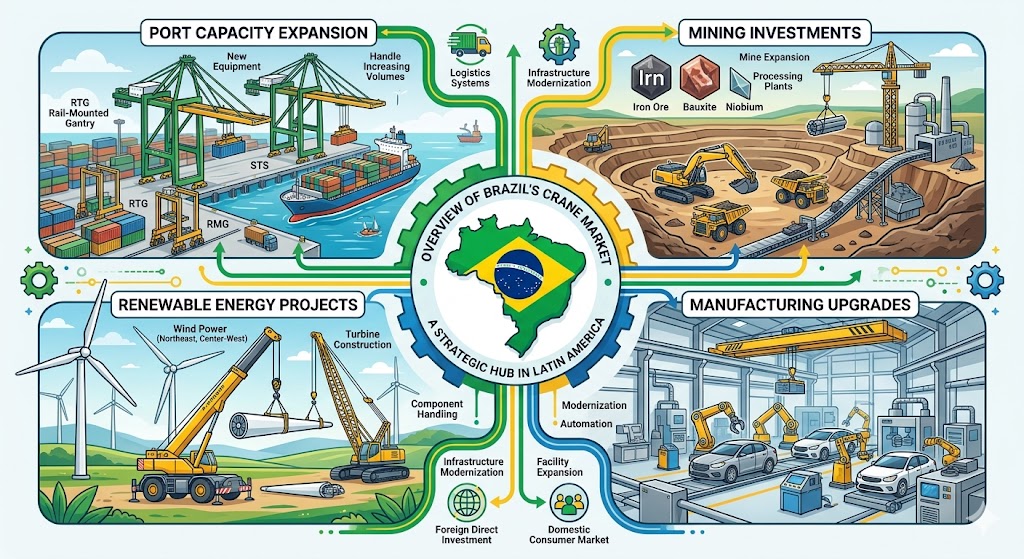
Бразилия — крупнейшая экономика Латинской Америки и один из важнейших мировых рынков промышленного оборудования. Благодаря обширным природным ресурсам, диверсифицированной производственной базе, развитой портовой инфраструктуре, быстрорастущим мощностям возобновляемой энергетики и продолжающимся программам модернизации логистики, страна обеспечивает стабильный и масштабный спрос на тяжелое подъемное и погрузочно-разгрузочное оборудование в различных отраслях промышленности.
Краны играют основополагающую роль в реализации промышленных проектов в Бразилии. От переработки железной руды в штате Минас-Жерайс до работы контейнерных терминалов в порту Сантос, от автомобильных сборочных заводов в штате Сан-Паулу до строительства ветроэлектростанций на северо-востоке страны, краны перемещают материалы, устанавливают оборудование, обеспечивают техническое обслуживание и позволяют осуществлять производственные процессы, лежащие в основе промышленного производства Бразилии.
В данной статье анализируются пять отраслей, в которых в Бразилии наблюдается наибольший спрос на краны, рассматриваются наиболее распространенные типы кранов в каждом секторе и определяются инвестиционные тенденции, которые будут поддерживать и увеличивать этот спрос до конца десятилетия.
Оглавление
Обзор бразильского рынка кранов
Бразильский рынок кранов формируется сочетанием структурных преимуществ отрасли и продолжающихся инвестиционных циклов, которые в совокупности создают спрос практически на все категории кранов.
Экономические факторы
Бразильская товарно-ориентированная экономика, основанная на экспорте железной руды, сои, нефти и переработанных товаров, требует портовой инфраструктуры, горнодобывающего оборудования и логистических систем, способных обрабатывать объемы, поддерживающие торговые позиции страны. Одновременно с этим, продолжающаяся индустриализация, большой внутренний потребительский рынок и растущие прямые иностранные инвестиции в обрабатывающую промышленность и энергетику продолжают требовать строительства новых и модернизации производственных мощностей.
Модернизация инфраструктуры является неизменным фактором, движущим процессом во всех государственных администрациях. Расширение железнодорожных грузоперевозок, развитие логистических парков и инвестиционные программы в портовые мощности создают спрос на краны, используемые в строительстве, монтаже и текущей эксплуатации.
Почему растет спрос на краны?
Ряд одновременных тенденций приводит к усилению спроса на краны в бразильской промышленности:
Эти совпадающие инвестиционные циклы позиционируют Бразилию как один из наиболее стратегически важных рынков крановой техники в Латинской Америке как для отечественных, так и для международных производителей и поставщиков кранов.
Отрасль 1 — Горнодобывающая промышленность
Почему горнодобывающая промышленность стимулирует спрос на краны в Бразилии
Бразилия как один из крупнейших мировых производителей горнодобывающей продукции обуславливает спрос на краны в масштабах, недоступных для большинства других отраслей. Страна является вторым по величине в мире производителем железной руды, крупным поставщиком бокситов и глинозема, а также обладает значительными запасами никеля, меди, марганца и ниобия. Для горнодобывающих операций такого масштаба необходима обширная инфраструктура для обработки материалов, оборудование перерабатывающих заводов и ремонтные базы — и все это зависит от кранов.
Применение горнодобывающих кранов в Бразилии охватывает весь жизненный цикл горнодобывающего предприятия: от первоначальной разработки рудника и строительства перерабатывающего завода, через текущую обработку руды и техническое обслуживание оборудования в процессе производства, до периодических капитальных ремонтных работ, обеспечивающих надежность оборудования на протяжении десятилетий эксплуатации.
Концентрация добычи железной руды в регионе «Железный четырехугольник» штата Минас-Жерайс и в районе Караджас штата Пара обуславливает потребность в кранах в обоих регионах. Добыча бокситов в штате Пара и переработка глинозема вдоль северного побережья требуют специализированной крановой инфраструктуры для перемещения как руды, так и переработанной продукции.
Обычные краны, используемые в горнодобывающей промышленности
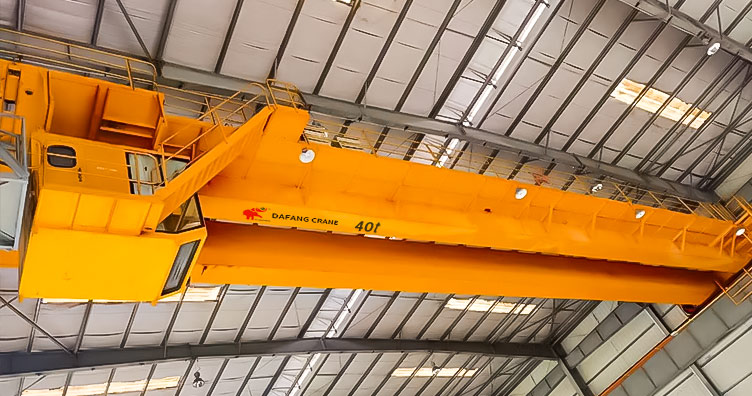
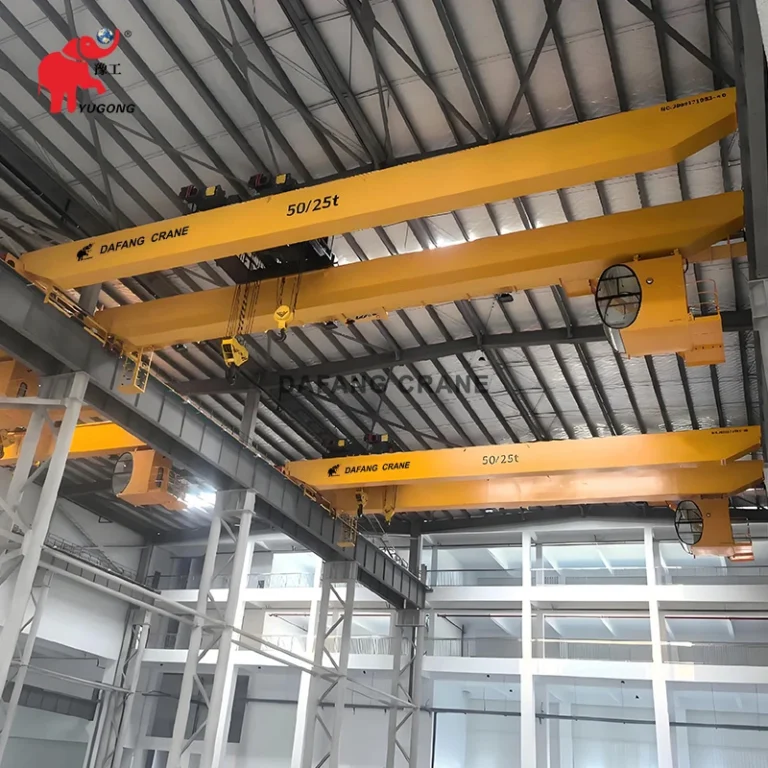
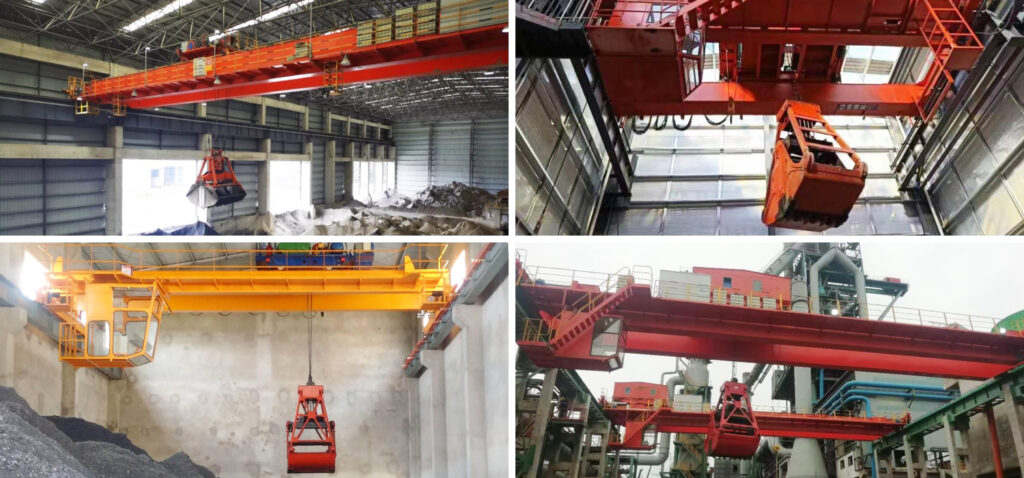
Мостовые краны Они используются на всех объектах горнодобывающей промышленности — в дробильных цехах, цехах измельчения, флотационных установках и плавильных цехах — для установки оборудования, подъема оборудования для технического обслуживания и обеспечения текущей эксплуатации. Двухбалочные конструкции с высокими классами грузоподъемности являются стандартными для интенсивных условий эксплуатации на перерабатывающих предприятиях.
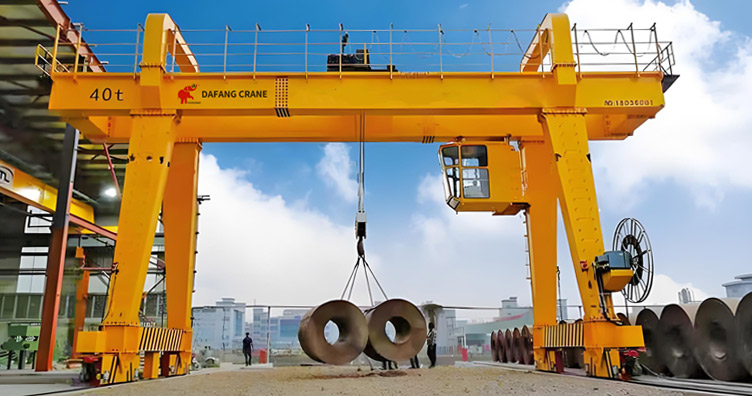
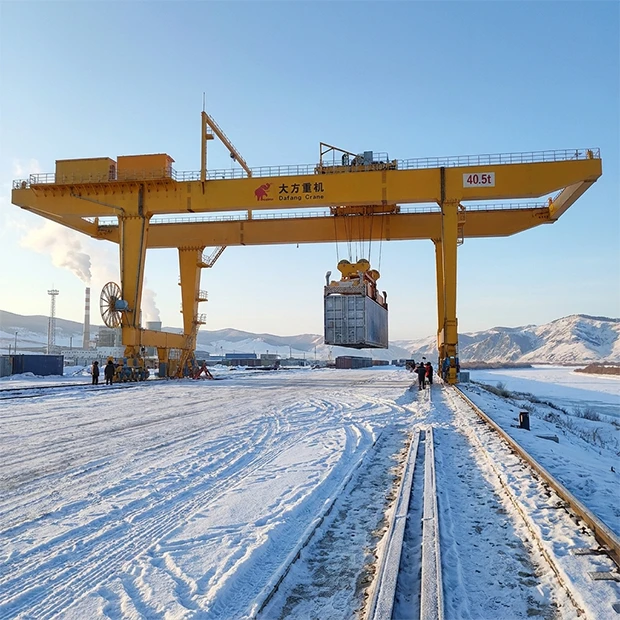
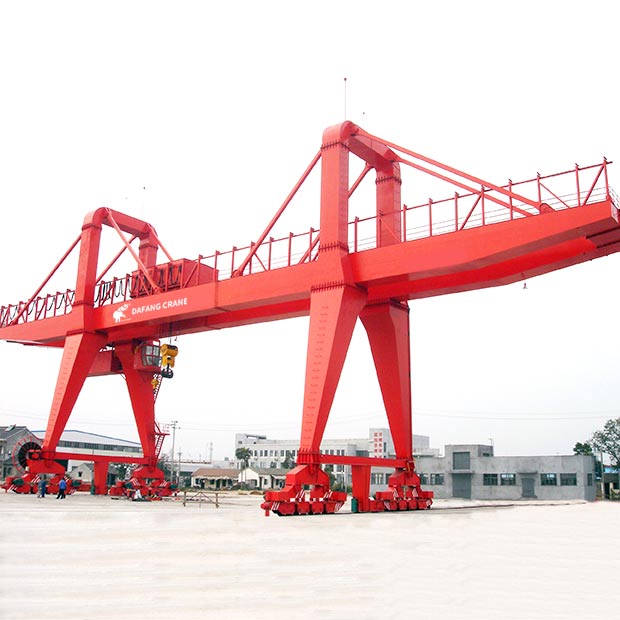
Козловые краны Они используются на открытых площадках для хранения руды, складских помещениях для оборудования и открытых ремонтных базах, где стационарные мостовые крановые пути нецелесообразны. Конфигурации с козловыми кранами на рельсах распространены на крупных площадках по переработке руды.
Мостовые краны с грейферным ковшом Обработка сыпучих материалов на перерабатывающих предприятиях — перемещение руды между складами, подача в дробилки и мельницы, а также управление концентратом и отходами.
Перспективные инвестиции в горнодобывающую промышленность
Горнодобывающий сектор Бразилии продолжает привлекать значительные капиталовложения. Компания Vale, крупнейший в мире производитель железной руды, реализует программы расширения на месторождении Караджас и инвестирует в модернизацию технологий переработки, что требует установки новых и замены старых крановых систем. Небольшие горнодобывающие компании и международные горнодобывающие предприятия разрабатывают проекты по добыче меди, никеля и лития для удовлетворения спроса в цепочке поставок аккумуляторов.
Модернизация перерабатывающих предприятий, обусловленная требованиями экологического соответствия и повышением эффективности, приводит к замене устаревшего оборудования современными системами, что создает спрос на краны как на этапе монтажа, так и на текущем техническом обслуживании модернизированных объектов. Тенденция к большей автоматизации в горнодобывающей промышленности увеличит спрос на высокоточные крановые системы, интегрированные с платформами отслеживания материалов и управления производством.
Отрасль 2 — Порты и контейнерные терминалы
Развитие портовой инфраструктуры
Портовая сеть Бразилии обрабатывает наибольший объем контейнерных и товарных перевозок в Латинской Америке. Один только порт Сантос является самым загруженным портом в Латинской Америке и одним из крупнейших в Южном полушарии по контейнерному грузообороту. Порты в Паранагуа, Итажаи, Рио-де-Жанейро, Сальвадоре, Суапе и ряде других мест образуют сеть, которая обеспечивает экспорт сельскохозяйственной, промышленной и минеральной продукции, доминирующий в торговом балансе Бразилии.
Спрос на портовые краны в Бразилии обусловлен как строительством новых терминалов, так и модернизацией существующих объектов. Операторы контейнерных терминалов инвестируют в более производительное и автоматизированное оборудование для обработки растущих объемов грузов с большей эффективностью и меньшими затратами на перемещение. Товарные терминалы, обрабатывающие зерно, сахар, удобрения и нефтепродукты, требуют специализированного кранового и конвейерного оборудования для эффективной обработки сыпучих грузов.
Портовые краны общего назначения
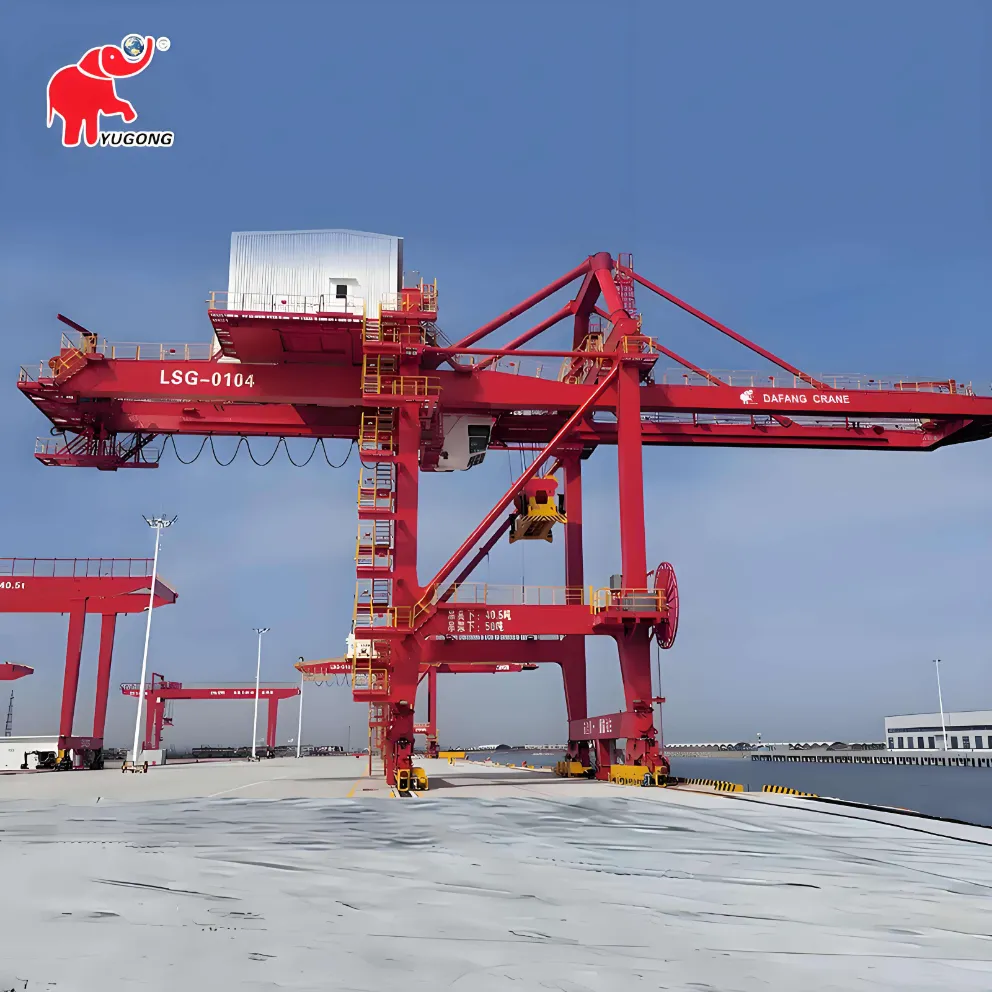
Судо-береговые (STS) краны Это основное оборудование для погрузки и разгрузки контейнеров на крупных терминалах. Крупнейшие контейнерные порты Бразилии инвестируют в краны STS класса Post-Panamax и Super Post-Panamax, способные обслуживать самые большие контейнеровозы на торговых маршрутах Южной Америки.
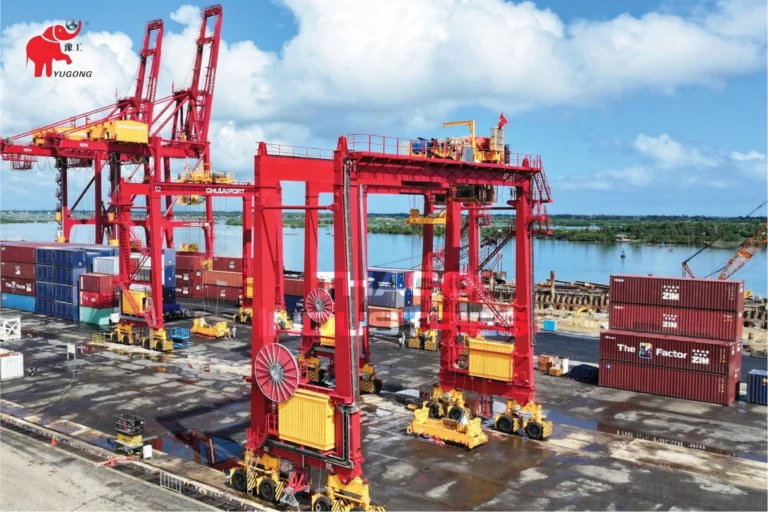
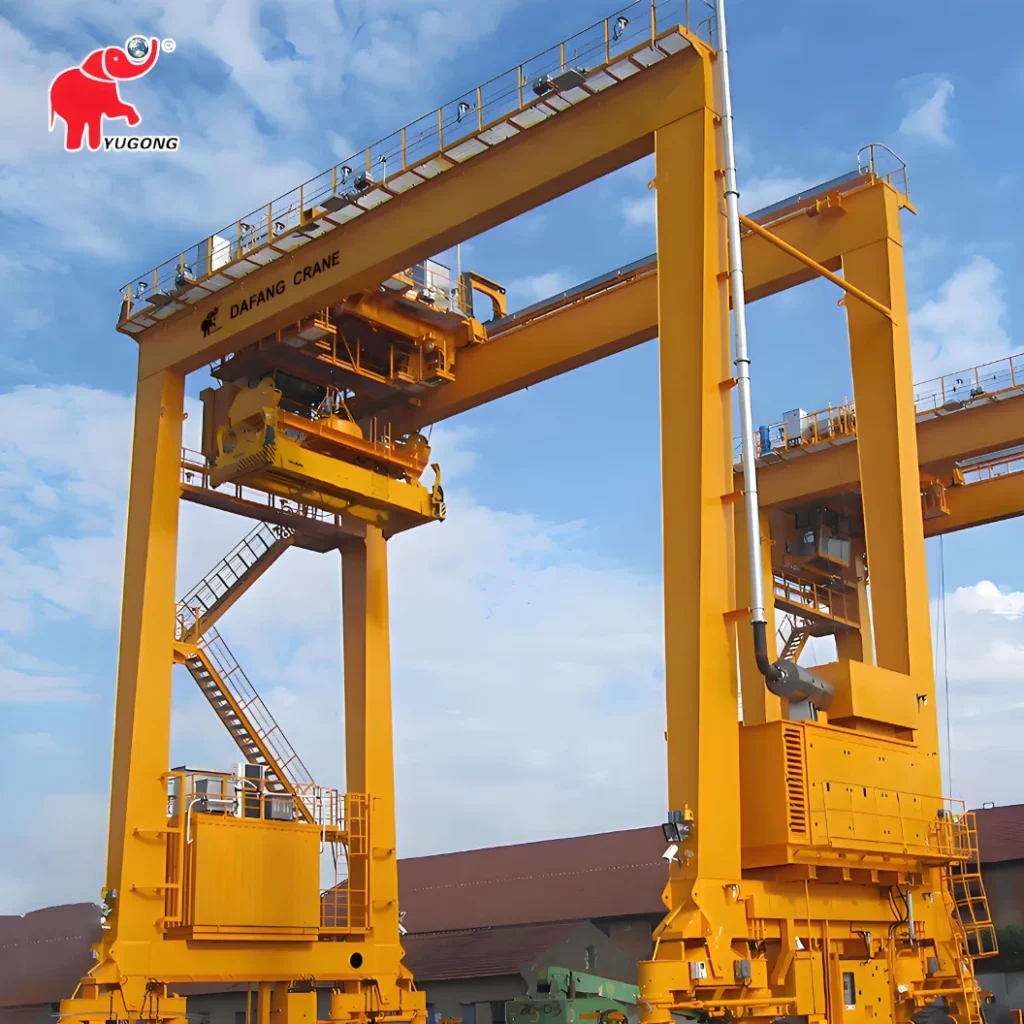
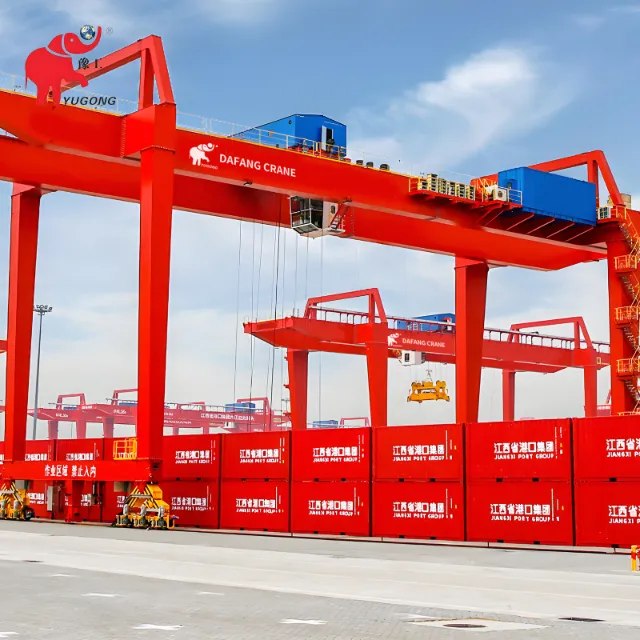
Кран-рефрижераторные козловые краны Козловые краны на резиновых колесах (RTG) являются наиболее распространенным типом складских кранов на бразильских контейнерных терминалах, используемых для штабелирования контейнеров на территории терминала и взаимодействия с грузовыми полосами и внутренним транспортом. Существующий парк кранов RTG постепенно электрифицируется, а в некоторых случаях и частично автоматизируется, поскольку операторы терминалов стремятся к повышению эффективности и экологичности.
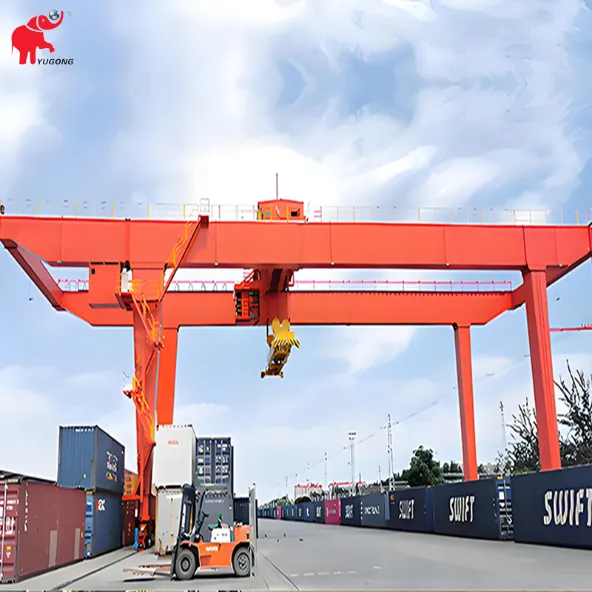
Краны RMG Козловые краны (на рельсах) используются на интермодальных терминалах, соединенных железнодорожным транспортом, и на объектах, где более высокая плотность погрузки и потенциал автоматизации стационарных рельсовых систем оправдывают инвестиции в инфраструктуру.
Передвижные портовые краны обслуживает многоцелевые терминалы и небольшие порты, где гибкость в обработке различных типов грузов и конфигураций судов ценнее, чем специализированные характеристики стационарных крановых систем.
Развитие «умного порта»
Бразильские портовые операторы и федеральное портовое управление активно реализуют программы развития «умных портов», которые включают автоматизацию, цифровую логистику и управление данными в режиме реального времени в работу терминалов. На нескольких крупных терминалах проводится оценка полуавтоматических и полностью автоматизированных крановых систем. Технология дистанционного управления кранами RTG — замена кабин кранов удаленными рабочими станциями — внедряется на передовых бразильских терминалах в преддверии программ полной автоматизации.
Эти программы инвестиций в технологии представляют собой значительную долгосрочную возможность для производителей кранов, продемонстрировавших возможности автоматизации, поскольку бразильские операторы терминалов стремятся к оборудованию, которое сможет эволюционировать от существующих полуавтоматических конфигураций к полной автоматизации по мере накопления опыта эксплуатации и повышения уверенности в технологиях.

Индустрия 3 — Производство и обрабатывающая промышленность
Рост обрабатывающей промышленности в Бразилии
Производственный сектор Бразилии генерирует стабильный спрос на краны в широком спектре подотраслей. Автомобильная промышленность — с крупными производственными мощностями таких компаний, как Volkswagen, General Motors, Stellantis, Toyota, а также отечественных производителей — является одним из крупнейших потребителей бразильских крановых систем для производства, нуждаясь в мостовых кранах и подъемных системах для рабочих мест на всех этапах сборки, штамповки и производства силовых агрегатов.
Производство стали и металлообработка создают спрос на тяжелые двухбалочные мостовые краны, металлургические краны и электромагнитные краны на металлургических заводах, прокатных станах и в сервисных центрах. Бразилия обладает значительной внутренней сталелитейной промышленностью, среди крупнейших производителей которой — ArcelorMittal, Gerdau и Usiminas, все они имеют предприятия, нуждающиеся в крановых системах всей грузоподъемности.
Машиностроение, производство промышленного оборудования и производство потребительских товаров в совокупности представляют собой крупную базу установленных мостовых крановых систем на предприятиях, расположенных в Сан-Паулу, Рио-де-Жанейро, Минас-Жерайсе, Рио-Гранде-ду-Сул и других промышленных штатах.
Обычные производственные краны
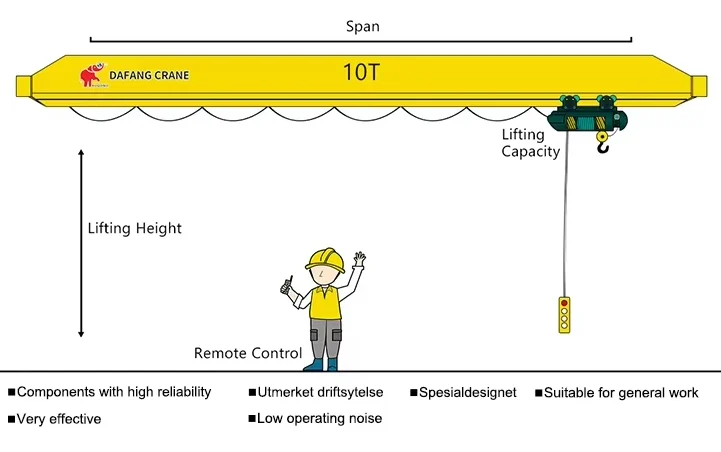
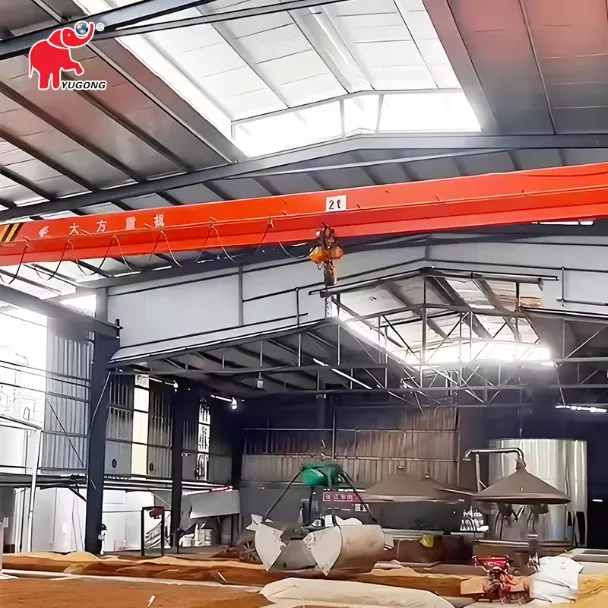
Однобалочные мостовые краны Предназначены для применения в легкой и средней промышленности — сборочных операциях, обработке деталей, работе с пресс-формами и техническом обслуживании — где достаточно грузоподъемности до 20 тонн и стандартных пролетов.
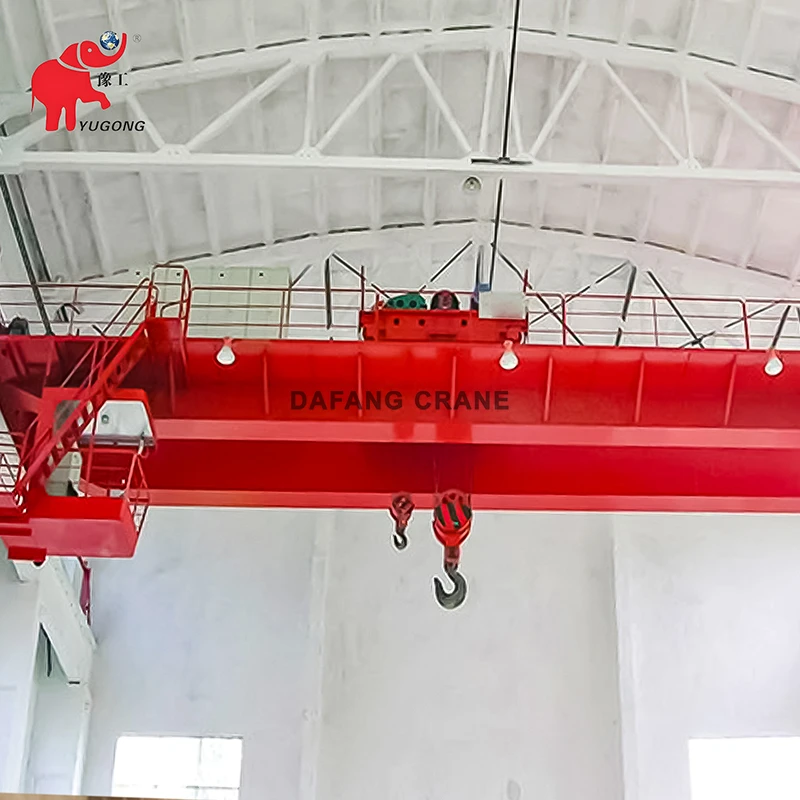
Двухбалочные мостовые краны Предназначен для более тяжелых работ в сталелитейном производстве, производстве тяжелого оборудования, штамповочных цехах и литейных цехах, где требуется грузоподъемность от 20 до 200 тонн и высокие классы нагрузки.
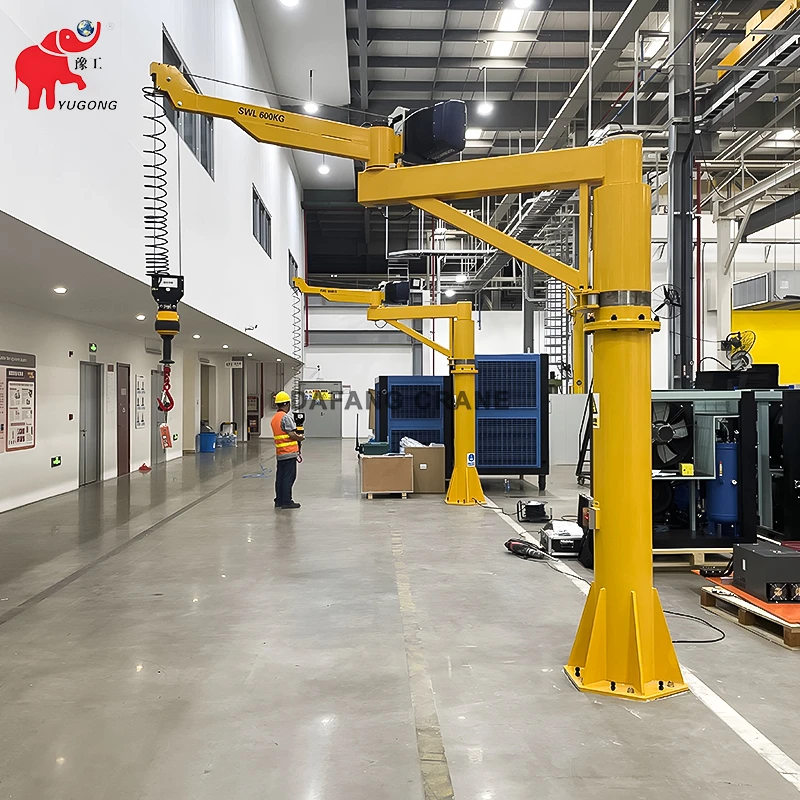
Стреловые краны Обеспечивает возможность локального подъема грузов на отдельных рабочих местах — погрузка и разгрузка оборудования, позиционирование сборочных приспособлений и перемещение компонентов — без необходимости использования полноценной крановой системы на каждом рабочем месте.
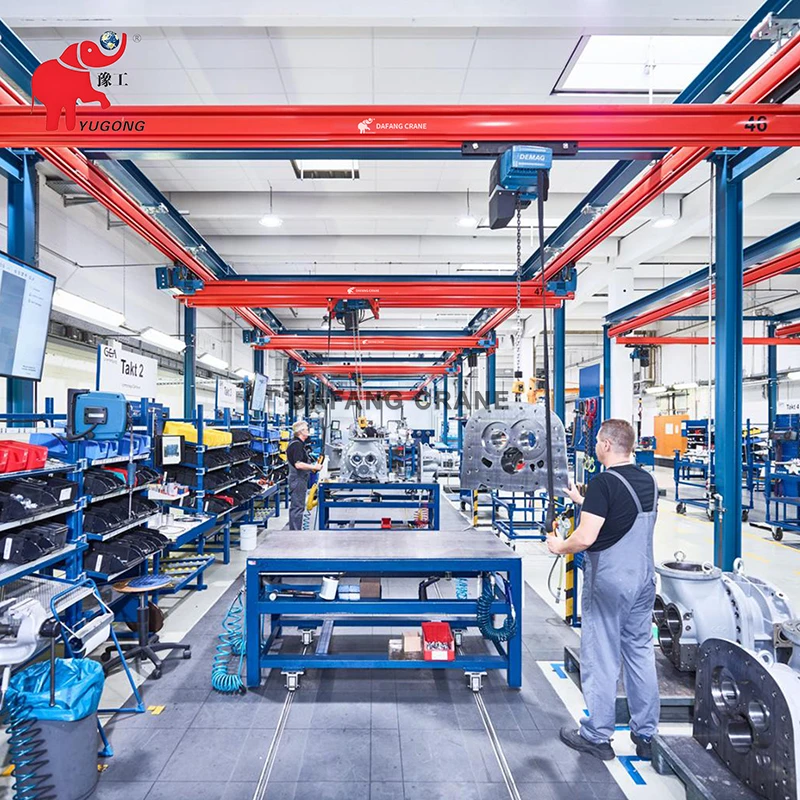
Рабочие краны (Легкие мостовые крановые системы на отдельно стоящих или потолочных направляющих) используются для эргономичной обработки материалов в сборочных цехах, упаковочных линиях и при комплектации деталей.
Модернизация в рамках концепции «Индустрия 4.0»
Бразильские производители инвестируют в инфраструктуру Индустрии 4.0 — взаимосвязанные производственные системы, автоматизированную обработку материалов и цифровое управление качеством — в качестве конкурентного ответа на растущие затраты на рабочую силу и глобальную конкуренцию в обрабатывающей промышленности. Эти инвестиции влияют на закупку кранов несколькими способами.
Автоматизированные крановые системы, интегрированные с программным обеспечением для управления производством, внедряются на высокопроизводительных предприятиях для снижения зависимости от оператора и повышения стабильности потока материалов. Интеллектуальные системы мониторинга существующих крановых парков предоставляют ремонтным бригадам данные о состоянии, которые поддерживают стратегии прогнозирующего технического обслуживания. Новые крановые установки все чаще оснащаются возможностью подключения к Интернету вещей (IoT) и частотно-регулируемыми приводами в качестве стандартных функций, а не в качестве дополнительных опций.
Индустрия 4 — Ветроэнергетика и возобновляемые источники энергии
Расширение использования возобновляемых источников энергии в Бразилии
Бразилия — один из ведущих мировых рынков возобновляемой энергии. За последнее десятилетие мощность ветроэнергетики значительно выросла, и сейчас страна входит в десятку крупнейших мировых рынков по установленной мощности ветроэнергетики. Большая часть действующих ветроэнергетических мощностей сосредоточена в северо-восточном регионе — Рио-Гранде-ду-Норте, Сеаре, Баии, Пиауи и соседних штатах, — где постоянные пассаты обеспечивают высокие коэффициенты использования мощности для ветрогенерации.
Федеральные программы развития энергетики и частные инвестиции, осуществляемые на основе соглашений о закупке электроэнергии, продолжают поддерживать развитие новых ветропарков. Морская ветроэнергетика становится перспективным направлением роста, и несколько проектов находятся на стадии экологического лицензирования и разработки вдоль обширной береговой линии Бразилии. Мощность солнечных фотоэлектрических установок также быстро растет, что стимулирует спрос на строительное и ремонтное оборудование, используемое в крупномасштабных проектах солнечной энергетики.
Применение кранов в ветроэнергетических проектах
Спрос на краны для ветроэнергетики в Бразилии охватывает весь жизненный цикл ветроэнергетических проектов — от производства компонентов до строительства, ввода в эксплуатацию, а также текущей эксплуатации и технического обслуживания.
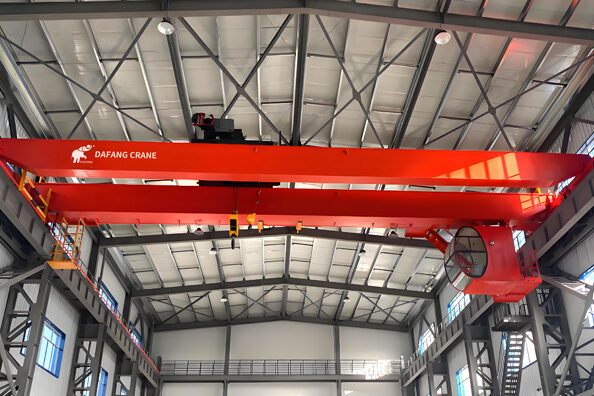
Мостовые краны На предприятиях по производству ветряных турбин выполняются операции по сборке гондол, установке генераторов и редукторов, монтажу лопастей у основания и сборке ступиц. В Бразилии создана собственная база по производству ветряных турбин, где Wobben Windpower (бразильское подразделение Enercon), Vestas и другие производители имеют производственные мощности на северо-востоке страны, требующие инфраструктуры промышленных кранов.
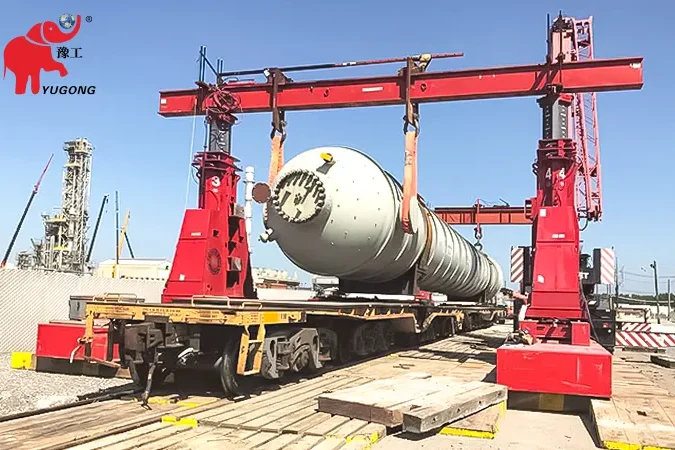
Гидравлический козловой кран Мы обслуживаем складские площадки для компонентов, площадки для подготовки лопастей и открытые погрузочно-разгрузочные работы на производственных предприятиях и портовых погрузочных терминалах, где секции башен, лопасти и компоненты гондол подготавливаются к транспортировке на площадки ветроэлектростанций.
Перспективы будущего роста
Ожидается, что развитие возобновляемой энергетики в Бразилии продолжится до конца десятилетия и в дальнейшем. Государственные программы аукционов на ветровые и солнечные электростанции в сочетании с корпоративными соглашениями о закупке электроэнергии у энергоемких отраслей промышленности будут способствовать развитию новых проектов. Развивающийся сектор морской ветроэнергетики, в случае его коммерческого развития, создаст спрос на специализированное тяжеловесное крановое оборудование, используемое при установке морских фундаментов, монтаже турбин и прокладке кабелей.
Отечественная индустрия производства ветряных турбин, значительно выросшая благодаря государственным требованиям к локализации производства, продолжит создавать спрос на краны на производственных мощностях по мере расширения производства для обслуживания как внутреннего рынка, так и потенциальных экспортных возможностей.
Отрасль 5 — Инфраструктурные и логистические проекты
Крупные инфраструктурные инвестиции
Программа развития инфраструктуры Бразилии включает расширение железных дорог, строительство логистических парков, развитие складских помещений и создание промышленных зон в нескольких штатах. Федеральные программы концессий на инфраструктуру привлекли частные инвестиции в железнодорожные пути доступа к портам, межштатные грузовые коридоры и интермодальные логистические центры, которые в совокупности представляют собой значительный потенциал спроса на краны.
Железнодорожная грузовая инфраструктура, исторически слабо развитая по сравнению с географическими масштабами Бразилии, получает значительные инвестиции как от государственных программ, так и от частных концессионеров. Новые железнодорожные линии, грузовые терминалы и интермодальные перевалочные пункты создают спрос на крановые системы для бразильской инфраструктуры, используемые как на этапе строительства, так и в ходе эксплуатации уже построенных объектов.
Логистические парки и распределительные центры, обслуживающие Сан-Паулу, Рио-де-Жанейро, Куритибу и другие крупные потребительские центры, представляют собой растущий сегмент рынка недвижимости и промышленной инфраструктуры, причем для некоторых объектов требуются крановые системы для перемещения тяжелых грузов.
Применение кранов
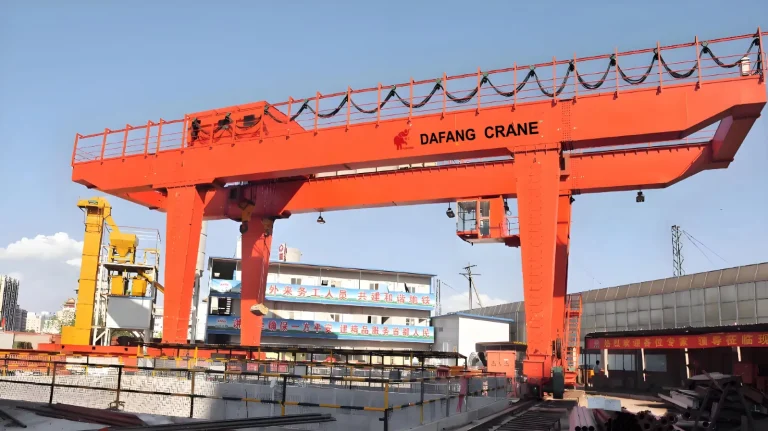
Козловые краны Они используются на железнодорожных грузовых станциях, контейнерных депо, складах тяжелого оборудования и в логистических центрах на открытом воздухе, где требования к мобильности или пролету соответствуют портальным конструкциям, расположенным над стационарными подвесными системами.
Тележка для перевозок AGV На складах и логистических объектах осуществляется погрузка и разгрузка тяжелых грузов, материалов на поддонах, требующих механической помощи сверх возможностей ручной погрузки, а также техническое обслуживание оборудования в мастерских предприятия.
Системы кранов на рельсовом ходу На интермодальных терминалах осуществляется перегрузка контейнеров и тяжеловесных грузов между железнодорожным, автомобильным и складским транспортом с использованием либо козловых кранов типа RMG, либо специализированных перегрузочных кранов, адаптированных к конкретным типам обрабатываемых грузов.
системы перемещения материалов Интеграция кранов с конвейерными, сортировочными и складскими системами применяется в автоматизированных распределительных центрах, обслуживающих электронную коммерцию, дистрибуцию автомобильных запчастей и розничную логистику.
Потенциал долгосрочного развития
Потенциал развития инфраструктуры Бразилии остается значительным по сравнению с масштабами экономики. Урбанизация продолжается, объемы грузоперевозок растут, а переход от автомобильной логистики к мультимодальной — обусловленный издержками, связанными с пробками, и экономией топлива — создает устойчивый спрос на инфраструктуру, необходимую для современной логистики.
Развитие промышленных зон во второстепенных городах и новых экономических регионах, поддерживаемое государственными инвестиционными стимулами, создает спрос на краны не только при строительстве новых объектов, но и при их оснащении системами погрузочно-разгрузочных работ, соответствующими производственным процессам.


Какие типы кранов пользуются наибольшим спросом в Бразилии?
| Тип крана | Основная отрасль | Типичное применение |
|---|---|---|
| Двухбалочный мостовой кран | Производство, металлургия, горнодобывающая промышленность | Подъем тяжелых грузов в мастерской, ремонтные работы |
| Однобалочный мостовой кран | Производство, логистика | Сборка, обработка деталей, легкая промышленность |
| Козловой кран | Инфраструктура, добыча полезных ископаемых, порты | Подъем грузов на открытом воздухе, работа на скотобойне |
| Судовой кран (STS) | Порты | Погрузка и разгрузка контейнеров с судов. |
| Козловой кран | Контейнерные терминалы | Складирование контейнеров на площадке и взаимодействие с грузовиками |
| Портальный кран | Железнодорожные терминалы, автоматизированные порты | Штабелирование контейнеров, интермодальные перевозки |
| Мобильный портовый кран | Многоцелевые порты | Генеральные грузы, насыпные грузы, контейнеры на небольших терминалах |
| Стреловой кран | Производство | Подъем рабочих мест, загрузка оборудования. |
| Ковшовый кран | Горнодобывающая промышленность, терминалы для перевалки сыпучих грузов | Обработка руды и сыпучих материалов. |
| Электромагнитный кран | Изготовление стальных и металлических конструкций | Обработка стальных листов, заготовок и рулонов. |
Тенденции спроса отдают предпочтение оборудованию с более высокими возможностями автоматизации, системами частотно-регулируемого привода и интеграцией интеллектуальных систем мониторинга — это отражает более широкую программу модернизации промышленности во всех пяти анализируемых секторах. Надежность оборудования и наличие местной технической поддержки неизменно называются приоритетными критериями закупок бразильскими промышленными покупателями.
Проблемы, стоящие перед бразильскими промышленными проектами
- Наличие оборудованияМасштабы и географическое распределение бразильского рынка означают, что поставки кранов — будь то от отечественных производителей или импортные — сопряжены со сложной логистикой. Планирование сроков поставки имеет важное значение, особенно для крупных капитальных проектов с четко определенными графиками строительства.
- Техническое обслуживаниеКрановые системы, работающие в удаленных районах добычи полезных ископаемых, вблизи морских портов или на ветровых электростанциях на северо-востоке США, сталкиваются с трудностями в обеспечении доступа к квалифицированным специалистам по техническому обслуживанию и запасным частям в приемлемые для эксплуатации сроки.
- Поставка запасных частейИмпортные пошлины, таможенные процедуры и логистика поставок запчастей в отдаленные регионы могут увеличить время простоя оборудования в Бразилии по сравнению с рынками с более простой системой импорта. Производители, имеющие запасы продукции в Бразилии или налаженные местные партнерские отношения, обладают существенным конкурентным преимуществом в этом отношении.
- Обучение операторовТехнический уровень квалификации, необходимый для работы с современными крановыми системами, особенно автоматизированными или полуавтоматизированными, требует структурированных программ обучения, которые доступны не во всех промышленных регионах Бразилии.
- Требования к автоматизацииБразильские промышленные предприятия наращивают свои амбиции в области автоматизации быстрее, чем развивается местная сервисная инфраструктура, поддерживающая автоматизированные крановые системы. Производители, выходящие на рынок с предложениями по автоматизации, должны обеспечить местную поддержку, необходимую для этих систем.
Опытные производители кранов — как отечественные, так и зарубежные — решают эти проблемы посредством партнерства с местными компаниями, наличия запасных частей в Бразилии, программ обучения на португальском языке и обязательств по сервисному обслуживанию, учитывающих практические реалии промышленных операций в Бразилии.
Возможности для мировых производителей кранов.
Пять основных секторов рынка кранов в Бразилии создают уникальные возможности для производители с соответствующими производственными возможностями и стремлением эффективно обслуживать рынок.
- Расширение добычи полезных ископаемых Это создает спрос на высокопроизводительные и высоконагруженные мостовые крановые системы, козловые краны и специализированные краны для технического обслуживания. Производители, имеющие опыт работы на сопоставимых мировых рынках горнодобывающей промышленности — в Австралии, Чили, Южной Африке — имеют хорошие возможности для переноса этого опыта на бразильские проекты.
- Модернизация порта Это создает спрос на краны STS, автоматизированные системы RTG и установки RMG. Операторы терминалов оценивают глобальных поставщиков, обладающих подтвержденным опытом автоматизированной обработки контейнеров, что делает этот рынок рынком, где технологическое лидерство является важным конкурентным преимуществом.
- Модернизация производства Это создаст стабильный спрос на весь ассортимент мостовых кранов, открывая возможности для производителей, предлагающих интеллектуальные системы мониторинга, энергоэффективные приводные системы и готовые к автоматизации архитектуры управления.
- Рост возобновляемой энергетики Это создает спрос на предприятия по производству турбин и инфраструктуру для эксплуатации и технического обслуживания ветропарков, и этот рынок будет продолжать расти по мере расширения установленной мощности ветроэнергетики Бразилии.
- Проекты логистической инфраструктуры создать спрос на козловые краны, мостовые краны и интегрированные системы обработки материалов в секторе, где закупки часто осуществляются подрядчиками EPC, которые сами активно оценивают возможности сотрудничества с глобальными поставщиками кранов.
Прогноз спроса на краны в Бразилии на будущее (2026–2030 гг.)
Тенденции автоматизации
Внедрение автоматизации в бразильской промышленности, портах и логистических центрах ускорится к 2030 году, чему будут способствовать рост затрат на рабочую силу, требования к повышению качества и доступность более дешевых технологий автоматизации. Крановые системы со встроенными системами позиционирования, контроля нагрузки и интерфейсами производственных систем станут стандартными требованиями в новых технических условиях на предприятиях.
Интеллектуальные порты
Крупнейшие контейнерные терминалы Бразилии привержены развитию концепции «умного порта», которая включает в себя постепенную автоматизацию крановых систем, цифровое отслеживание грузов и оптимизацию складских площадок на основе искусственного интеллекта. Программы закупки оборудования в Сантосе, Паранагуа, Итажаи и других крупных терминалах до 2030 года будут отражать эту программу автоматизации.
Рост возобновляемой энергетики
По прогнозам, установленная мощность ветроэнергетики в Бразилии продолжит расти до конца десятилетия благодаря государственным аукционным программам и корпоративным рынкам соглашений о покупке электроэнергии. Потенциальное развитие морской ветроэнергетики создает дополнительный, более масштабный горизонт спроса, выходящий за рамки нынешнего рынка наземной ветроэнергетики. В сочетании с продолжающимся развитием солнечной фотоэлектрической энергетики сектор возобновляемой энергии останется стабильным источником спроса на краны как в производстве, так и при реализации проектов.
Промышленная модернизация
В обрабатывающей промышленности, сталелитейной отрасли, автомобилестроении и производстве промышленного оборудования постоянные капиталовложения в модернизацию предприятий будут поддерживать спрос на замену и модернизацию кранов. Переход от устаревших крановых систем с ручным управлением к современным системам с частотно-регулируемым приводом и возможностью интеллектуального мониторинга представляет собой значительный цикл замены кранов в Бразилии.
Расширение инфраструктуры
Развитие железнодорожной грузовой инфраструктуры, строительство логистических парков и расширение промышленных зон в городах второго эшелона будут и дальше создавать спрос на краны на этапах строительства и оснащения новых объектов. Развитие концессионной программы Бразилии по инфраструктурным проектам обеспечивает видимый поток крупных проектов, требующих крановых систем.
Заключение
Бразильский рынок кранов — один из самых динамичных и диверсифицированных в Латинской Америке, движимый пятью промышленными секторами — горнодобывающей промышленностью, портами, производством, возобновляемой энергетикой и инфраструктурой — которые одновременно инвестируют в расширение, модернизацию и автоматизацию. Широкий спектр спроса, охватывающий типы кранов от легких мостовых кранов для мастерских до тяжелых систем обработки контейнеров, создает возможности для производителей по всему ассортименту продукции.
Тенденции, определяющие спрос на краны до 2030 года — внедрение автоматизации, развитие «умных» портов, расширение использования возобновляемых источников энергии, модернизация промышленности и инвестиции в инфраструктуру — в совокупности указывают на растущий спрос на современное, высокоэффективное подъемное оборудование, а не на товары массового производства. Производители, обладающие глубокими инженерными знаниями, возможностями автоматизации и надежной поддержкой местного рынка, находятся в наилучшем положении для того, чтобы воспользоваться возможностями, которые будет продолжать создавать промышленный рост Бразилии.
Ознакомьтесь с крановыми решениями, разработанными для растущих промышленных секторов Бразилии.
Обратитесь к нашей инженерной команде за консультациями по конкретным проектам и помощью в выборе оборудования.
Закажите индивидуальное крановое решение для вашего проекта в горнодобывающей, портовой, производственной или энергетической отрасли в Бразилии.

Часто задаваемые вопросы
В: Почему в Бразилии растет спрос на краны?
Спрос на краны в Бразилии растет благодаря одновременным инвестиционным циклам в различных отраслях промышленности: расширение горнодобывающей промышленности, увеличение пропускной способности портов, модернизация производства, строительство ветроэнергетических установок и развитие логистической инфраструктуры. Каждая из этих отраслей требует установки новых кранов, расширения парка техники или замены оборудования — и все они одновременно находятся на стадии активных инвестиций.
В: Какой кран лучше всего подходит для горнодобывающих работ в Бразилии?
Выбор подходящего типа крана зависит от конкретных задач в горнодобывающей промышленности. Тяжелые двухбалочные мостовые краны используются для обслуживания зданий перерабатывающих заводов. Козловые краны применяются для работы на открытых площадках по хранению руды. Ковшовые краны с грейферным захватом перемещают сыпучие материалы в закрытых перегрузочных сооружениях. Ремонтные краны в горнодобывающих мастерских предназначены для работы с тяжелыми компонентами крупного горнодобывающего оборудования. Все горнодобывающие краны должны соответствовать высоким классам грузоподъемности, необходимым для интенсивных условий эксплуатации в горнодобывающих предприятиях.
В: Как возобновляемые источники энергии влияют на спрос на краны в Бразилии?
Расширение ветроэнергетики в Бразилии привело к росту спроса на краны на отечественных предприятиях по производству турбин, на портовых погрузочных терминалах, обрабатывающих импортные компоненты, а также в инфраструктуре эксплуатации и технического обслуживания действующих ветропарков. По мере роста установленной мощности и разработки новых проектов ожидается, что этот спрос будет увеличиваться в течение десятилетия. Потенциальное развитие морской ветроэнергетики создаст дополнительный спрос на специализированное оборудование для подъема тяжелых грузов.
В: Какие возможности открываются для производителей кранов при выходе на бразильский рынок?
Наибольшие возможности открываются в горнодобывающей промышленности (высокопроизводительные, высоконагруженные мостовые и козловые краны), модернизации портов (автоматизированное оборудование для обработки контейнеров), модернизации производства (полный спектр мостовых кранов с интеллектуальным мониторингом) и возобновляемой энергетике (производство турбин и оборудование для эксплуатации и технического обслуживания ветропарков). Успех на бразильском рынке требует наличия местных сервисных центров, поддержки на португальском языке, а во многих секторах — соблюдения требований к местному содержанию или прочных связей с устоявшимися бразильскими промышленными партнерами.
В: С какими основными проблемами сталкиваются поставщики кранов в Бразилии?
Основные проблемы связаны с импортными пошлинами и сложностью таможенного оформления, логистикой обслуживания удаленных промышленных зон, необходимостью местной технической поддержки и складирования запасных частей, а также соблюдением требований к местному содержанию продукции в определенных секторах. Производители, которые заблаговременно решают эти проблемы — посредством местных партнерств, бразильских складских запасов и подготовленных местных сервисных команд — получают существенное преимущество перед теми, кто пытается обслуживать рынок исключительно за счет экспорта с удаленной технической поддержкой.
В: Насколько велик бразильский рынок кранов по сравнению с другими странами Латинской Америки?
Бразилия с большим отрывом является крупнейшим рынком кранов в Латинской Америке, что отражает ее положение как крупнейшей экономики региона и наиболее промышленно диверсифицированной страны. Мексика занимает второе место по объему рынка, за ней следуют Чили (с упором на горнодобывающую промышленность) и Колумбия. Совокупный спрос на краны в Бразилии, включающий горнодобывающую промышленность, портовую отрасль, обрабатывающую промышленность, энергетику и инфраструктуру, в несколько раз превышает спрос в любой другой стране региона.