






On August 19, 2026, the Zhuque-3 Reusable Launch Vehicle (RLV-2) successfully completed its orbital insertion mission and achieved the first-ever landing-leg ground recovery of an orbital-class launch vehicle in China — a landmark milestone in the country's commercial reusable rocket program.
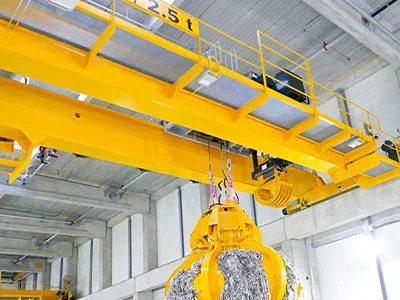
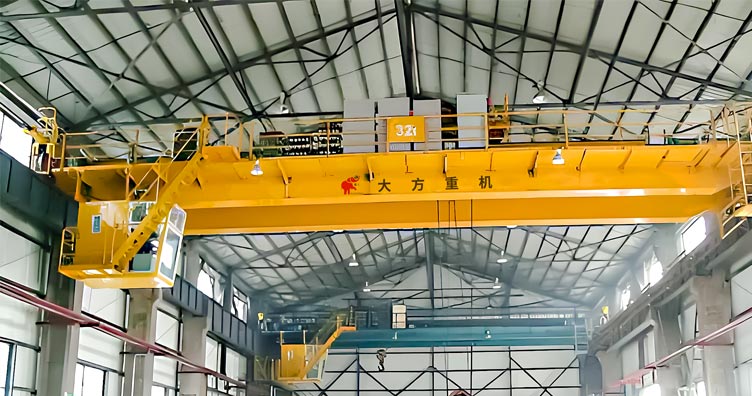
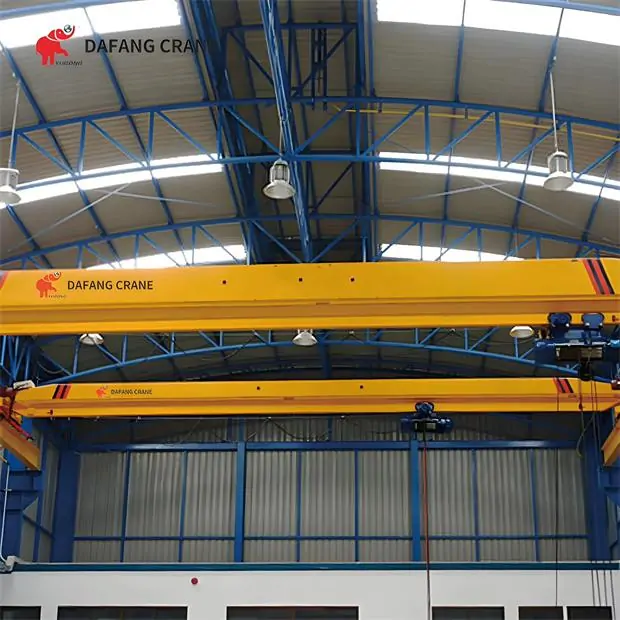
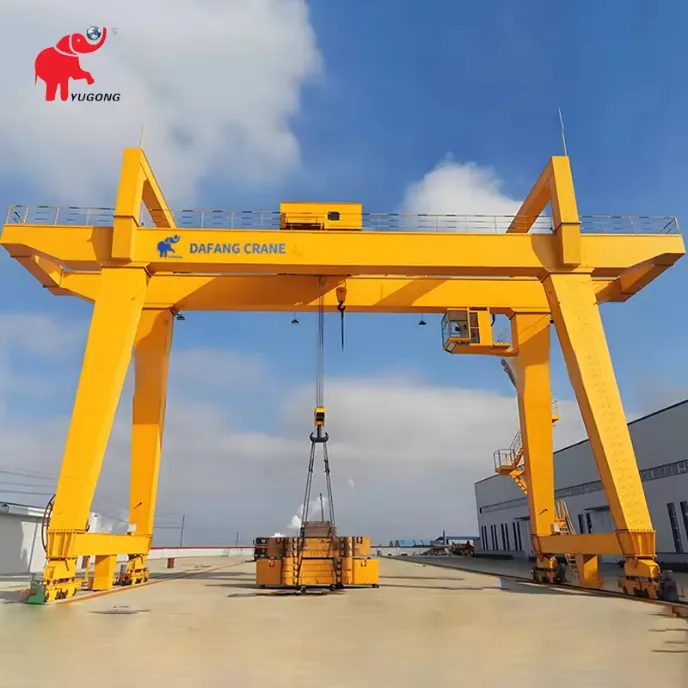
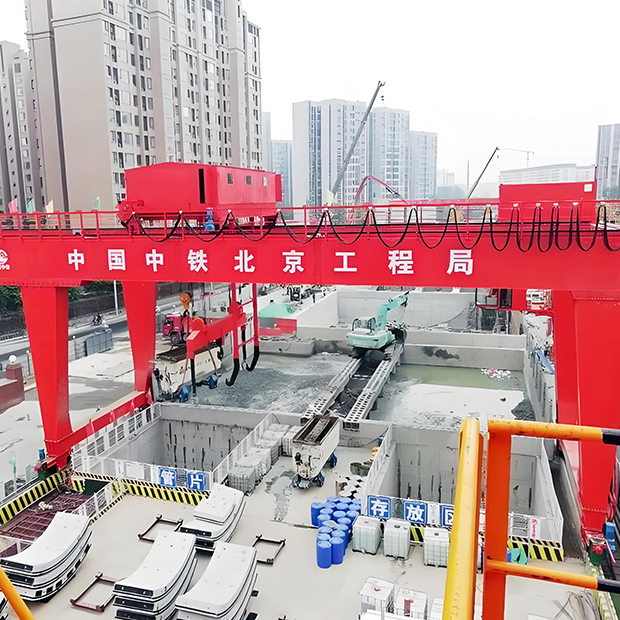
Behind this achievement, critical lifting operations throughout the rocket's assembly and pre-launch process were carried out using overhead cranes manufactured by Dafang Heavy Machinery Co, Ltd. (Dafang Crane), based in Changyuan, Henan Province.
The Challenge: Lifting a Precision Rocket with Zero Margin for Error
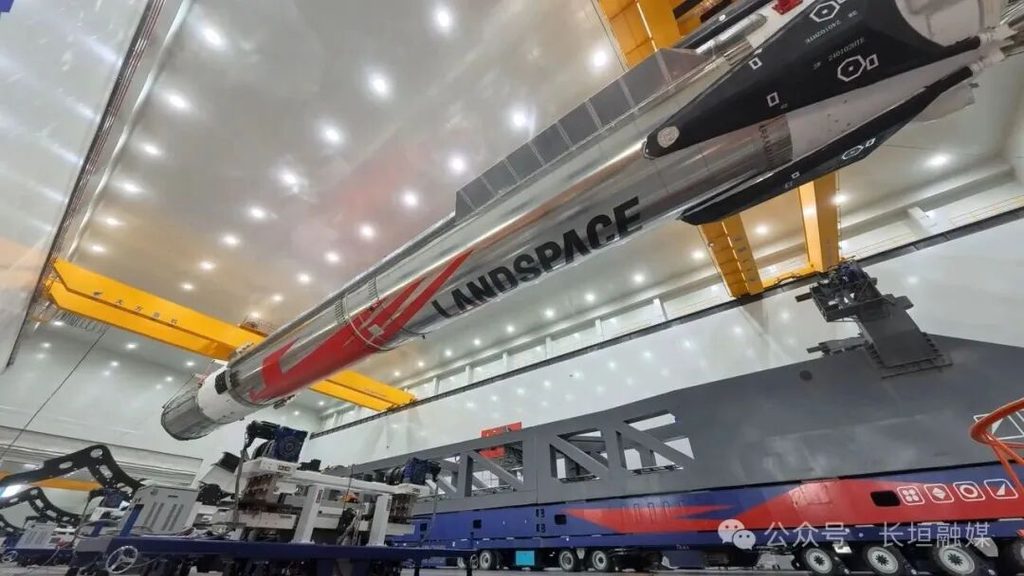
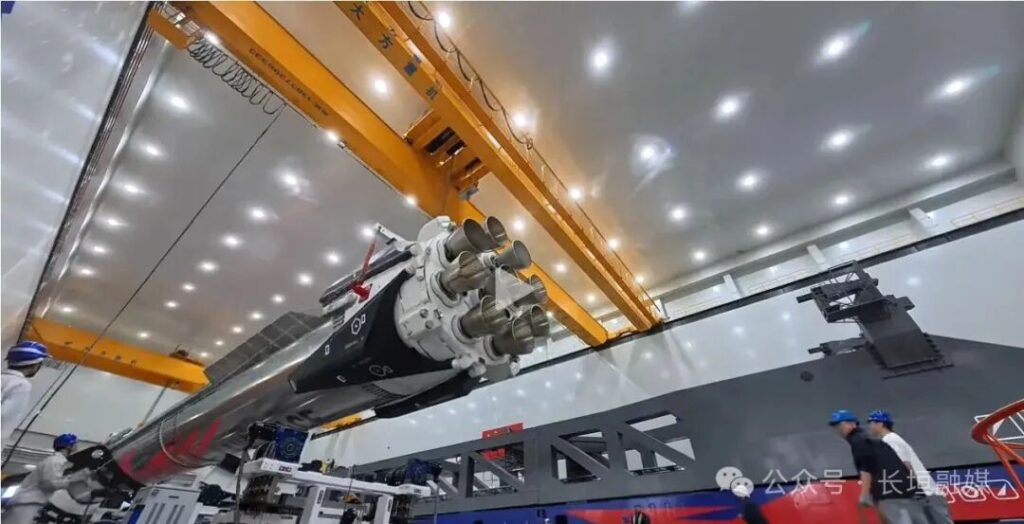
A launch vehicle is one of the most structurally demanding payloads any crane will ever handle. The rocket body is both massive and extraordinarily sensitive — even minor vibration or positional deviation during handling can compromise structural integrity or delay the mission.
For the Zhuque-3 RLV-2 campaign, the lifting equipment had to meet the following operational requirements inside the rocket assembly facility:
- Rocket horizontal-to-vertical transfer (rotating the vehicle from horizontal storage to vertical assembly position)
- In-facility transport and repositioning across different work zones
- Precision alignment for integration, inspection, and testing operations
- Stable hold during fueling procedures
Each of these operations demands millimeter-level positioning accuracy and near-zero load swing — requirements that go well beyond the specifications of standard industrial overhead cranes.
Obtenir un devis gratuitThe Solution: Dafang's Aerospace-Grade Double-Girder Overhead Crane
Dafang Heavy Machinery supplied multiple units of its New Chinese-Style Double-Girder Overhead Crane, configured specifically for aerospace facility use. The key technical capabilities of this system include:
1. Electric Anti-Sway System
The integrated electric anti-sway control suppresses load oscillation dynamically during travel and hoisting. For a rocket body suspended mid-air, eliminating swing is not a comfort feature — it is a safety requirement.
2. Automatic Positioning System
The crane's automatic positioning system enables the hook to arrive at a target location with millimeter-level accuracy, reducing reliance on manual correction and minimizing the risk of contact or misalignment during sensitive assembly steps.
3. Micro-Speed Motion Control
A micro-motion (inching) control mode allows extremely slow, controlled movement — essential when guiding a rocket section into position for mating or inspection. This level of speed granularity is critical in aerospace assembly environments where speed and position must be precisely coordinated.
Together, these three systems deliver the stability, precision, and repeatability that aerospace ground operations demand.
Outcome
All lifting operations during the Zhuque-3 RLV-2 pre-launch campaign were completed successfully. The crane equipment supported the rocket through transport, assembly, testing, and fueling — contributing to a mission that ended with both successful orbital insertion et successful first-stage ground recovery, the first of its kind for an orbital-class vehicle in China.
Track Record in Launch Vehicle Support
The Zhuque-3 campaign is not Dafang's first involvement in China's space program. The company's overhead cranes have previously served launch operations for:
- Long March series rockets (multiple variants)
- Zhuque series rockets (multiple variants)
This accumulated experience in aerospace lifting environments reflects the company's long-term commitment to meeting the strict standards of China's national and commercial space industry.
Why Crane Performance Matters in Rocket Assembly
For engineers and procurement teams evaluating lifting equipment for aerospace or high-precision industrial applications, the Zhuque-3 case illustrates several principles worth noting:
Load sensitivity drives specification. When the payload has no tolerance for vibration or misalignment, standard crane specifications are insufficient. Anti-sway, micro-motion, and automatic positioning move from optional to mandatory.
Reliability over the full campaign matters. A rocket launch involves dozens of individual lift operations spanning weeks. Equipment that performs on day one must perform equally on the day of rollout. Consistent reliability across the full campaign is the real measure of fitness.
Facility integration is part of the solution. Aerospace cranes operate within cleanroom-standard facilities where clearances are tight and movement paths are constrained. Equipment must be sized and controlled to work within those environments without compromising the facility or the vehicle.
About Dafang Heavy Machinery
Dafang Heavy Machinery Co., Ltd. is headquartered in Changyuan, Henan Province — one of China's established centers for overhead crane manufacturing. The company designs and produces overhead cranes for industrial, energy, and specialty applications including aerospace. Its products have been deployed across multiple national key projects in China's space and defense sectors.
Interested in overhead crane solutions for aerospace, defense, or precision industrial applications? Contact Dafang Heavy Machinery to discuss your project requirements.