





Что такое контейнерный кран?
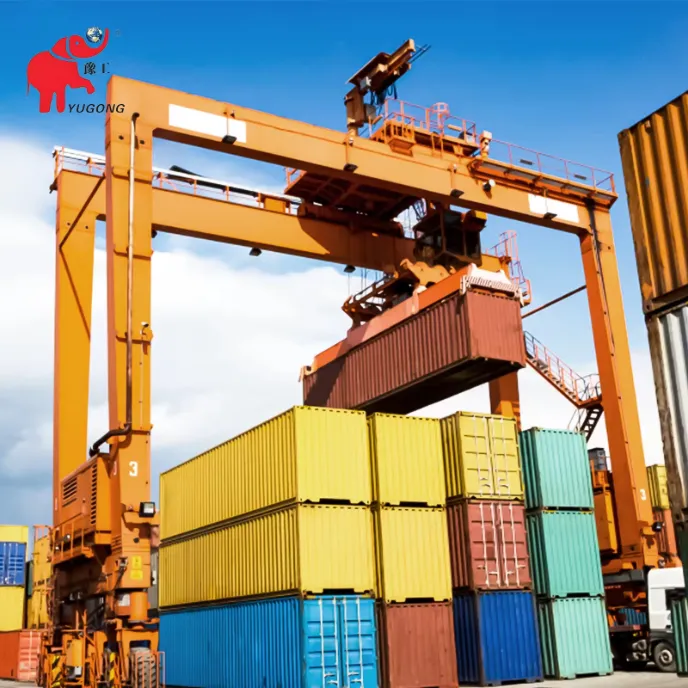
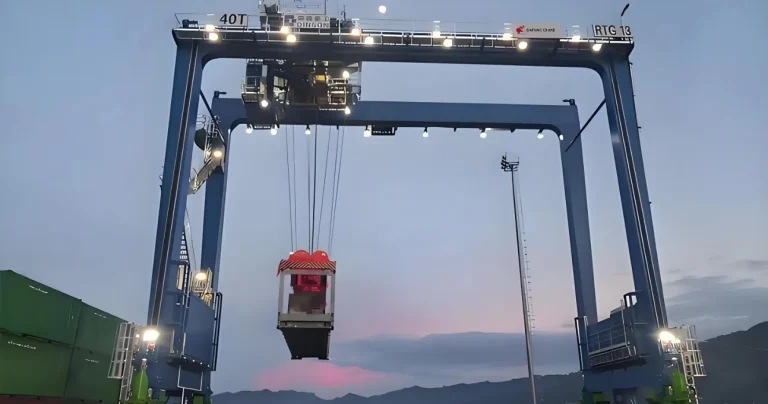
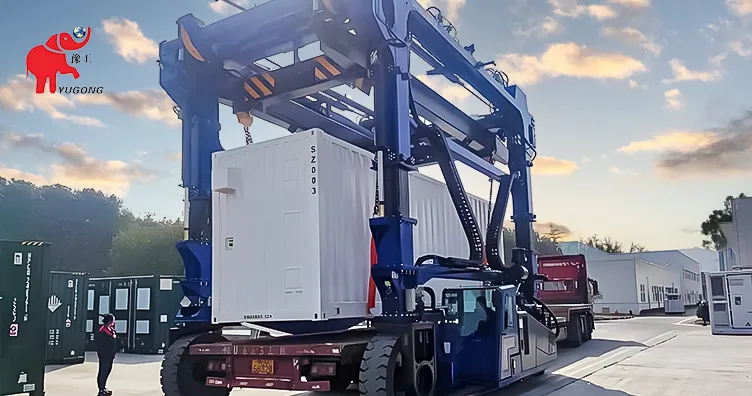
Мировая торговля зависит от бесперебойного перемещения контейнеров между портами и площадками. Контейнерные краны ежегодно перемещают миллионы контейнеров между портами и площадками — будь то контейнерные краны на резиновых колесах (RTG-краны), контейнерные краны на рельсовом ходу (RMG-краны), портовые краны типа «судно-берег» (STS-краны) или контейнерные козловые краны. Поэтому контейнерные козловые краны являются важнейшим оборудованием, обеспечивающим возможность международной импортно-экспортной торговли.
Эти огромные контейнерные подъемные машины могут показаться сложными на первый взгляд, но их основные компоненты и принципы работы основаны на логически выверенной, оптимизированной и эффективной конструкции, обеспечивающей эффективность глобальной цепочки поставок.
Хэнань Дафан Хэви Машине Ко., Лтд. производит и экспортирует портовые краны более 20 лет. Для лучшего использования контейнерных козловых кранов и повышения эффективности работы необходимо разбить их основные компоненты, увидеть различия между ними и понять, как они работают вместе для безопасного и быстрого подъема, перемещения и штабелирования тяжелых контейнеров.
Зоны насыпных грузов
Основные компоненты контейнерных кранов
Каждый контейнерный кран состоит из нескольких основных компонентов, которые работают вместе, обеспечивая его функционирование.
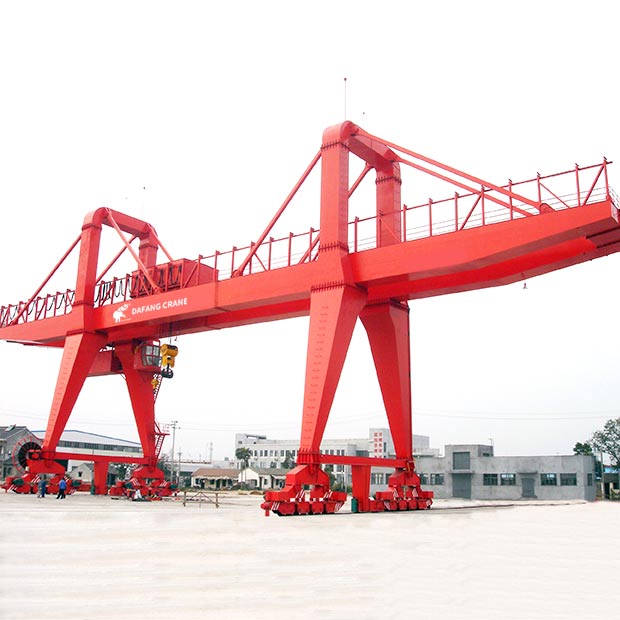
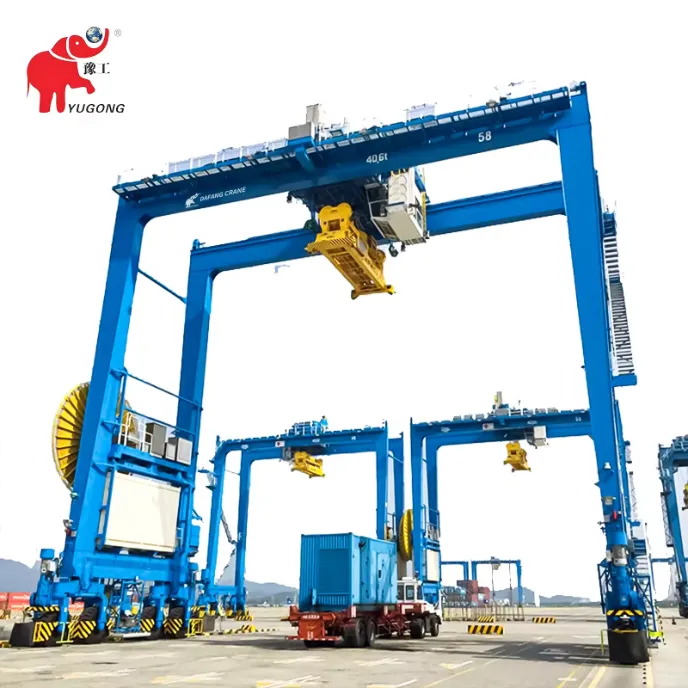
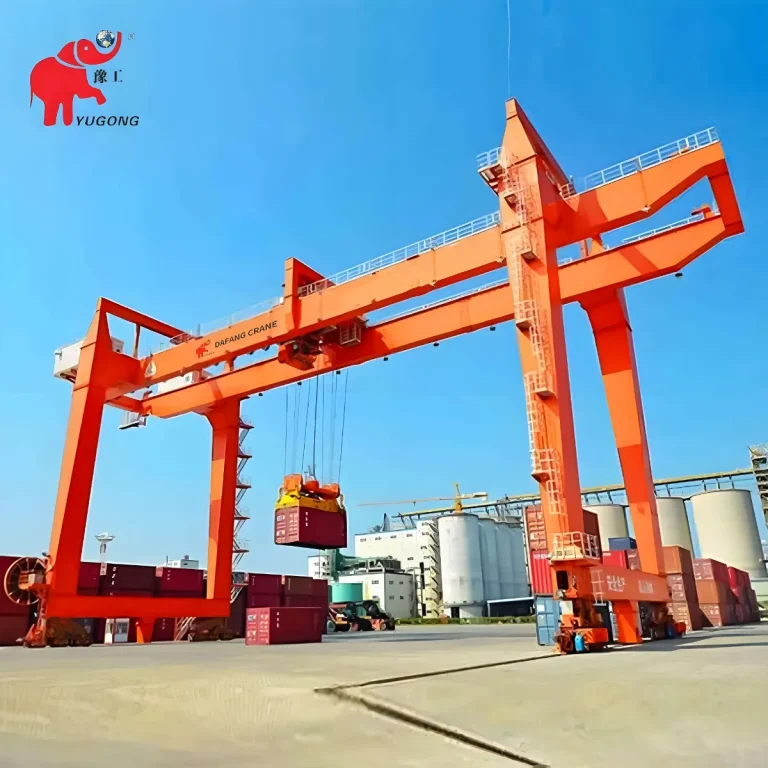
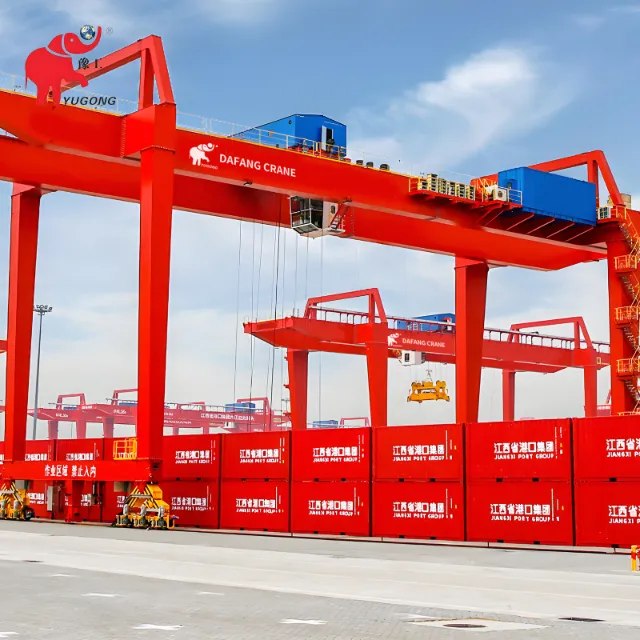
- Конструкция порталовСтальная рама обеспечивает устойчивость и опору. Для ричтраков она устанавливается на резиновые шины; для ричтраков — на рельсовые тележки. Она перекрывает несколько рядов контейнеров и выдерживает вес всей подъемной системы.
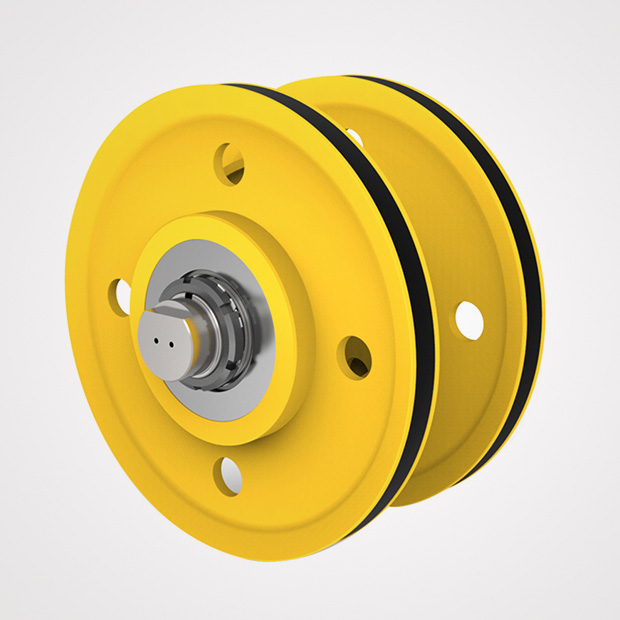
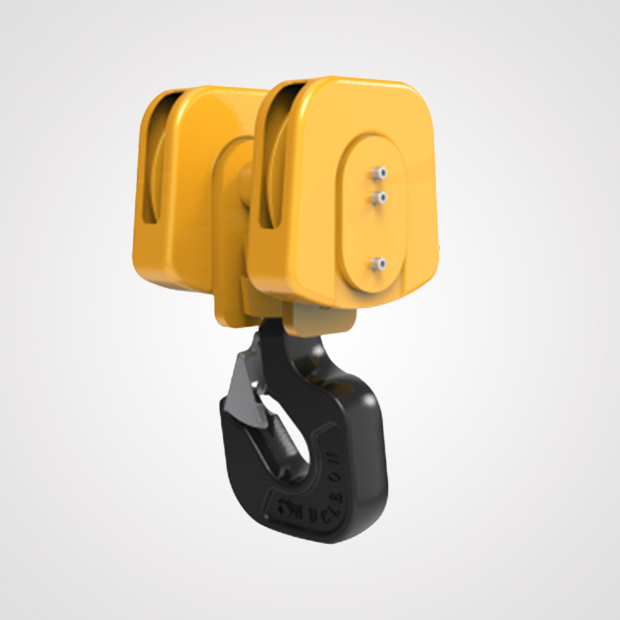
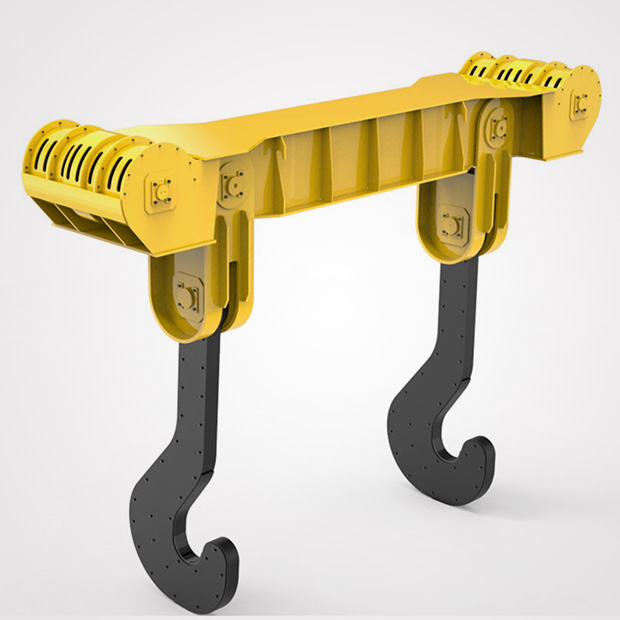
- Подъемная система: Лебедка с электроприводом, тросы и шкивы для подъема/опускания контейнеров. Система приводится в движение электродвигателями и имеет грузоподъемность от 35 до 100 тонн.
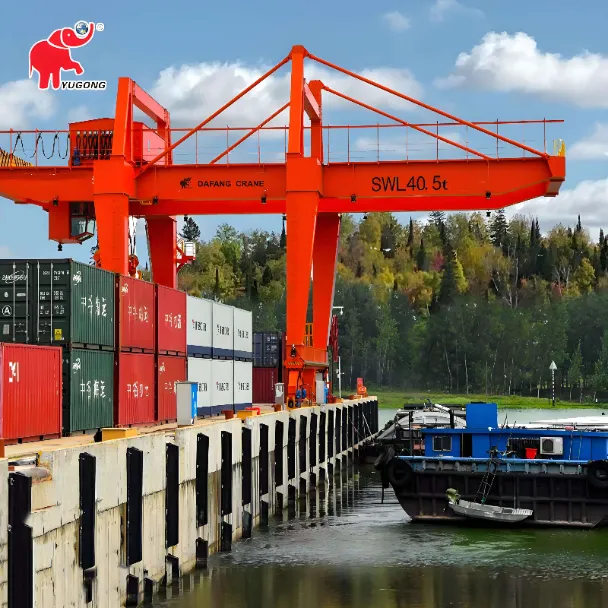
- Тележка: Передвижная каретка, которая перемещается вдоль верхней балки портального крана, обеспечивая горизонтальную транспортировку контейнеров между штабелерами и грузовиками/судами. Она гарантирует точное боковое позиционирование, что имеет решающее значение для точности штабелирования.
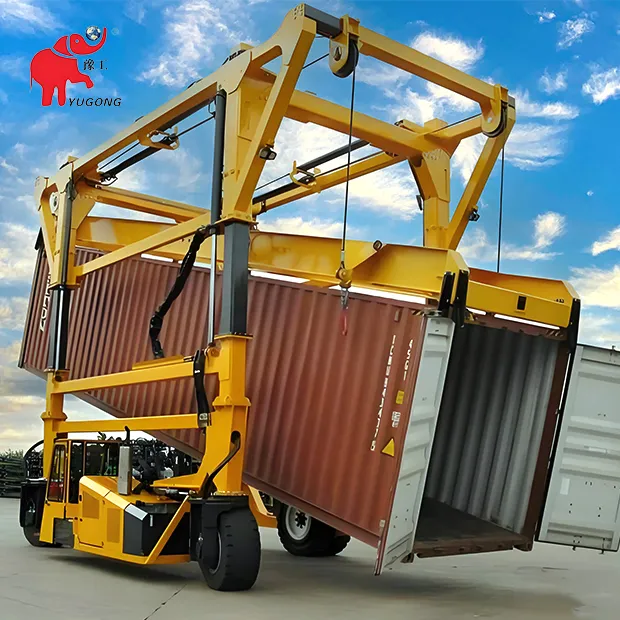
- Разбрасыватель“Руки” крана — это регулируемая рама, которая фиксируется на углах контейнера (с помощью поворотных замков, соответствующих стандарту ISO). Она может адаптироваться к 20-футовым или 40-футовым контейнерам и слегка наклоняется для выравнивания при неравномерной нагрузке.
- Система управленияОсновной компонент контейнерного крана включает в себя кабину оператора (или систему дистанционного/автоматизированного управления интеллектуальными кранами) с джойстиками, датчиками и системой навигации GPS/лазерного сканирования для обеспечения точности. В современных кранах с дистанционным управлением интегрированы технологии искусственного интеллекта для беспилотной работы.
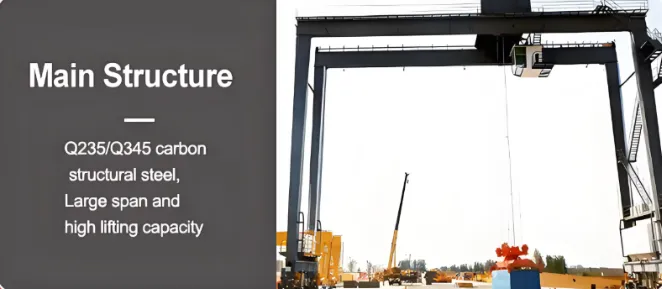
Основная структура
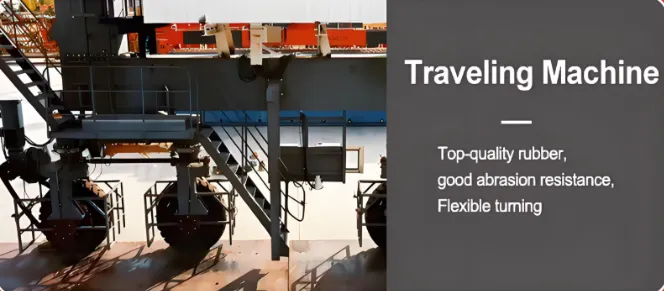
Путевая машина
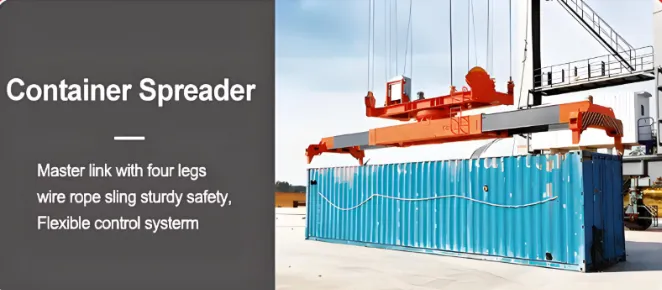
Разбрасыватель контейнеров
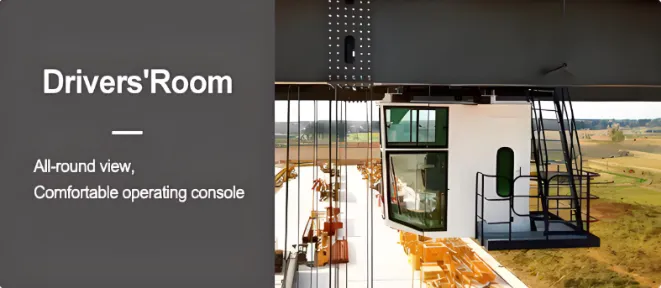
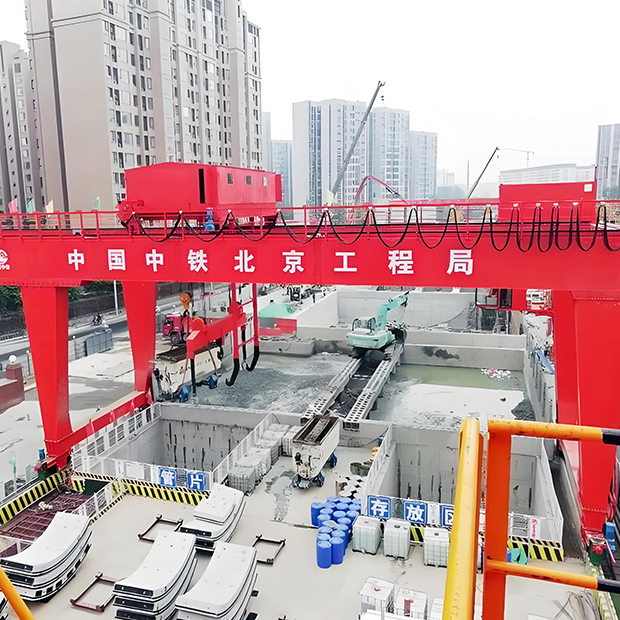
Комната для водителей
Как работают контейнерные краны?
Работа крана осуществляется в соответствии с упрощенной четырехэтапной процедурой:
- ПозиционированиеОператор (или автоматизированная система) перемещает тележку и портал, чтобы расположить разбрасыватель непосредственно над целевым контейнером. Датчики корректируют показания с учетом ветра или дисбаланса нагрузки для обеспечения правильного выравнивания.
- Подъемник: Распределитель фиксируется на угловых элементах контейнера, а подъемная система поднимает груз вертикально, освобождая место для штабеля или кузова грузовика.
- Горизонтальное движениеТележка скользит вдоль балки портала, перемещая контейнер в нужное место (например, к грузовику, штабелю или трюму судна). В случае с ричтраками весь портал перемещается с помощью колес для изменения положения на территории склада; в случае с ричтраками он перемещается по неподвижным рельсам.
- Опускание и разблокировкаКонтейнер плавно опускается в целевую точку, спредерка освобождает поворотные фиксаторы, и система готовится к следующему подъему.
Профессиональный поставщик контейнерных кранов в Китае
После прочтения этой статьи вы теперь понимаете компоненты и принцип работы контейнерных козловых кранов. Команда Dafang Crane надеется, что эта статья поможет вам сделать правильный выбор контейнерного козлового крана. Пожалуйста, не стесняйтесь обращаться к нам, если у вас возникнут какие-либо вопросы. Мы окажем профессиональную поддержку и консультации.