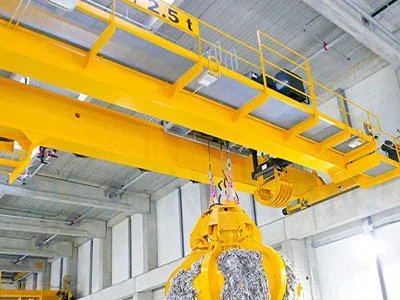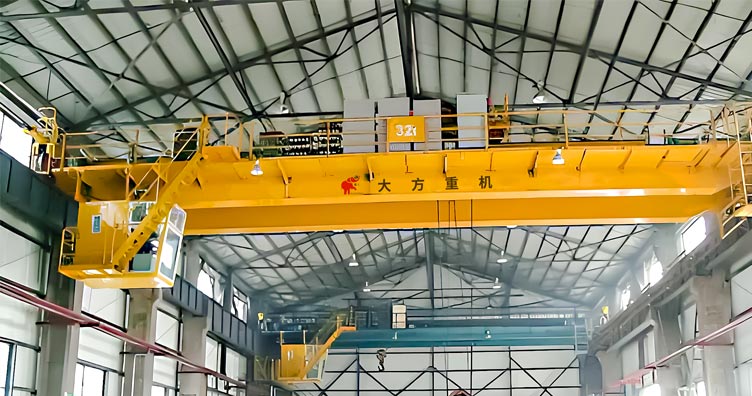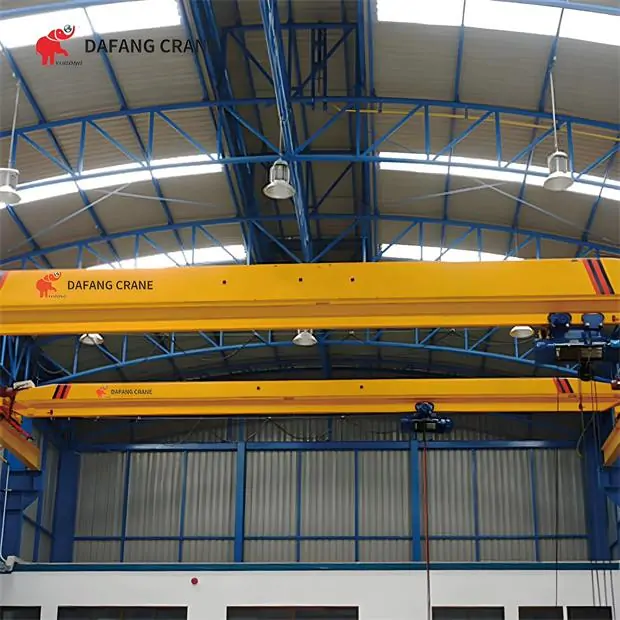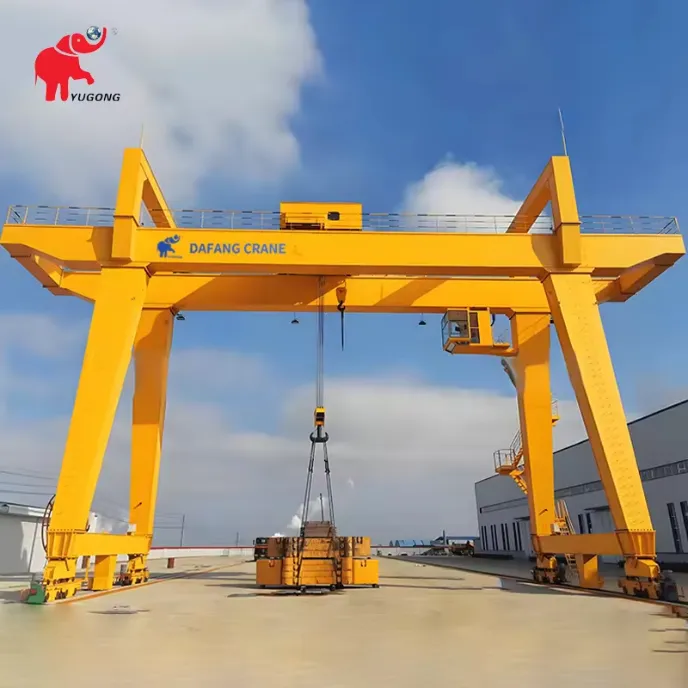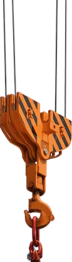

A warehouse overhead crane typically costs between $3,100 and $78,000+ EXW depending on lifting capacity, bridge span, and duty class. A standard LD-type single girder unit covering a 10-metre span at 3 tons can sit well below $6,000; an LH-type double girder crane at 20 tons over a 22-metre span for a high-cycle distribution warehouse will sit toward the higher end of that range—and the total investment climbs further once you add sea freight, destination handling, and installation.
The confusion most buyers run into is not the number itself—it is that two quotes on seemingly similar cranes can differ by a factor of three or four. That gap traces back to three variables that interact simultaneously: how much weight the crane must lift, how wide it needs to reach, and how intensively it will work each day. Once those three inputs are understood, supplier quotations stop looking arbitrary.
This guide breaks the price down by each variable, walks through how to build a full landed-cost budget from factory gate to commissioned equipment, compares single girder versus double girder configurations for typical warehouse applications, and covers what to verify before you sign a purchase order.
Warehouse Overhead Crane Price at a Glance
| Configuración | Capacidad típica | Span | Indicative EXW Price (USD) |
|---|---|---|---|
| LX/NLX Underslung (suspension type) | 0.5–10 t | 7.5–22.5 m | $3,000–$10,000 |
| LD Standard Single Girder | 1–32 t | 7.5–31.5 m | $3,100–$25,000 |
| HD European Single Girder | 1–20 t | 7–31.5 m | $7,800–$50,700 |
| LH Double Girder (electric hoist trolley) | 3–32 t | 10.5–31.5 m | $22,000–$78,000 |
| QD Hook Double Girder (medium range) | 5-50 t | 10.5–31.5 m | $23,000–$120,000+ |
Reference ranges from industry pricing for standard configurations. Actual price depends on exact span, lifting height, duty class, power supply, control system, and any site-specific requirements. Contact a Dafang engineer for a project-specific quote.
Obtener presupuesto gratuitoHow Capacity, Span, and Duty Class Drive the Price

Lifting Capacity Sets the Steel and Hoist Budget
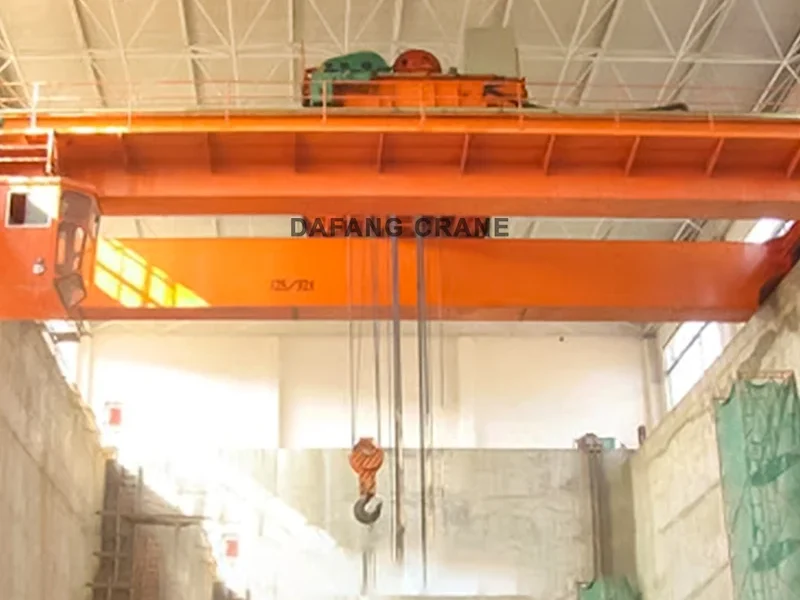
Rated lifting capacity is the first parameter that governs cost, because it determines the sizing of the wire rope hoist, trolley frame, drive motors, and—most critically—the structural steel in the bridge girder. A 10-ton single girder crane does not cost twice as much as a 5-ton unit: as capacity rises, the girder cross-section must grow non-linearly to control deflection under load, pushing steel tonnage and fabrication hours up faster than the rated load itself.
For typical warehouse applications, the most common range is 3–20 tons. Light assembly shops and general goods warehouses tend to specify 3–10 tons; cold-storage or heavy manufacturing facilities receiving large machine components or steel coils regularly move to 16–32 tons and switch to a double girder configuration.
Span Is the Largest Single Cost Variable
The span of an overhead crane—the centre-to-centre distance between the runway rails—is the dimension that most buyers underestimate. Every additional metre of span means more structural steel in the main girder and end carriages, increases the overall weight of the bridge, and requires correspondingly heavier runway beams to support it. Moving from a 12-metre span to a 22-metre span at the same 10-ton capacity can add 40–60% to material cost alone.
In practice, warehouse column grid spacing dictates crane span: if your bays are on 18-metre centres, the crane span will be set slightly shorter to preserve the required clearance between the bridge end and the column face. Getting this measurement verified on-site before issuing an RFQ avoids the most common source of re-pricing after order placement.
Duty Class Determines What Grade of Components Are Used
Duty class—also referred to as work grade under ISO 4301 or FEM standards—describes how hard the crane will work over its design life. An A3 crane sized for light or moderate use (3–5 lifts per hour, typical general warehousing) uses significantly lighter components than an A5 unit designed for 8–12 lifts per hour in a busy logistics or distribution hub, even where the rated capacity is identical. The component cost difference between an A3 and an A5 specification at 10 tons can easily be 15–25% of the unit price.
Many buyers purchasing their first warehouse overhead crane default to A3 when A5 would better match the actual operating pattern. An engineer's pre-order consultation—asking about daily shift patterns, average lifts per hour, and average load factor—avoids the error of underspecifying a crane that wears out ahead of schedule.
Obtener presupuesto gratuitoFrom EXW Factory Price to Installed Cost: Building Your Full Budget
What EXW Means and What Comes Next
Most Chinese crane manufacturers quote an EXW (Ex Works) price—the cost of the completed crane at the factory gate. That figure is the starting point, not the landed cost. A realistic full budget adds four further items:
- China inland transport + port handling: Typically $500–$1,500 per shipment, depending on the port of departure and crane dimensions.
- Sea freight (CIF to destination port): Varies by destination and market conditions. A single 5-ton single girder crane to a Middle East port might add $1,800–$3,000; multi-crane shipments achieve better per-unit freight rates.
- Destination customs duties and inland delivery: Buyer-side costs that vary by country and HS code classification for lifting equipment.
- Installation and commissioning: Buyers with in-house technical teams can self-install using the manufacturer's drawings and videos at near-zero marginal cost. On-site engineer support carries costs for visa, return airfare, accommodation, and an engineer day rate—your account manager Stella can provide current estimates based on your country.
As a practical planning figure, CIF cost at destination typically runs 1.3–1.5 times the EXW price for a single-crane shipment. Multi-crane orders with better container utilisation reduce that multiplier.
Site Factors That Affect Installation Cost and Timeline
Several building-side factors affect both cost and commissioning schedule in ways that are not always visible at the quotation stage. Low ceiling height in existing warehouse structures may require a European-profile low-headroom hoist (such as the HD type) rather than a standard wire rope hoist, which affects unit cost. Older warehouse buildings occasionally have column-to-column tolerances that fall outside the ±3 mm runway rail alignment required for smooth bridge travel; correcting runway alignment before crane delivery is far less expensive than dealing with end carriage wear post-commissioning. Sharing confirmed building dimensions, column grid spacing, and runway beam load-bearing capacity with Dafang at the enquiry stage allows any design adjustments to be made before production begins, not after.
Single Girder vs. Double Girder Overhead Crane: Which Fits a Warehouse Budget?

Single Girder Covers Most Warehouse Needs Below 32 Tons
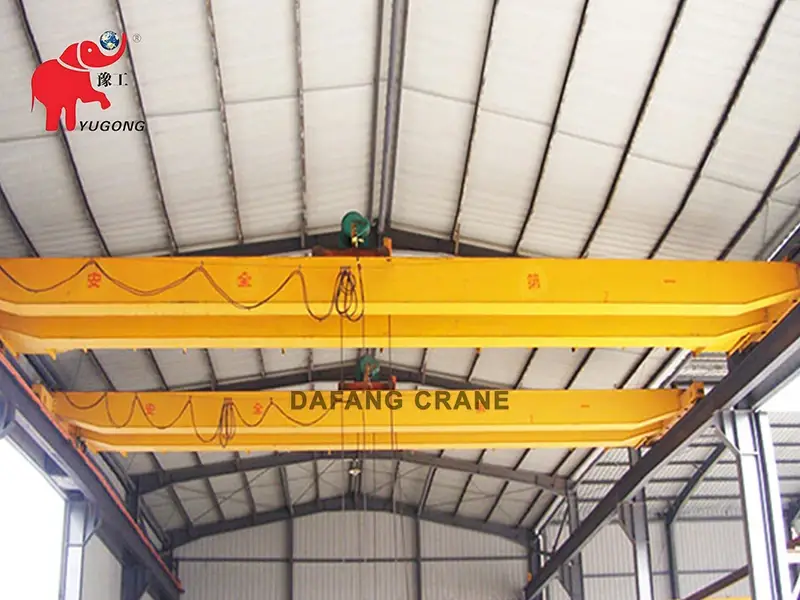
A single girder overhead crane uses one main bridge beam, with the electric hoist running along the lower flange (underslung configuration). This design is lighter, less expensive to fabricate, and quicker to install. For capacities from 1 to 32 tons, spans to approximately 31.5 metres, and duty classes through A5, a single girder unit is the practical choice for the overwhelming majority of warehouse and manufacturing applications.
The trade-off is hook approach height: the hoist housing itself occupies vertical space beneath the main beam, so the lowest hook position is not as close to the floor as a double girder unit would allow. For most general warehouses this is not a constraint, but for applications where hook approach must be maximised—lifting loads at near-ceiling height, for example—the geometry is worth checking.
For the LD standard type, EXW pricing typically runs $3,100–$25,000 across the full capacity and span range. The HD European single girder type, which uses a compact European-profile hoist for better headroom, runs $7,800–$50,700 for the same capacity range, reflecting the higher hoist cost.
Double Girder Becomes Necessary When Capacity, Span, or Duty Exceeds Single Girder Limits
A double girder overhead crane uses two parallel main girders, with the trolley and hoist running on rails mounted on top of the girders. This configuration handles higher capacities, longer spans (up to 50 metres in heavy industrial applications), and higher duty classes without excessive beam deflection. It also offers better hook approach height because the hoist mechanism sits above rather than below the main structure.
For warehouse applications specifically, the LH-type double girder (electric hoist trolley) is the most common choice in the 3–32-ton bracket, with EXW pricing ranging $22,000–$78,000 depending on capacity and span. For heavier-duty warehouse or distribution centre applications in the 20–50-ton range, the QD-type hook double girder configuration starts from approximately $23,000 at the lower end of its capacity range and scales from there.
The cost premium of a double girder over a comparable single girder unit at the same rated capacity typically falls in the 30–50% range. That premium narrows at higher tonnages where single girder designs are no longer structurally practical.
Ready to confirm your configuration? Send your specs to Stella
Obtener presupuesto gratuitoCertifications and What to Verify Before You Order
What Markets Typically Require
Certification requirements for warehouse overhead cranes depend on the destination market. EU and CE-accepting markets require CE marking under the Machinery Directive 2006/42/EC, covering design, fabrication, and a conformity assessment procedure. Most global markets accept or reference ISO 4301 (crane classification by mechanism groups) and ISO 9001 (quality management system). EAEU countries—Russia, Kazakhstan, Belarus, Armenia, Kyrgyzstan—additionally require EAC certification. Projects in facilities under US OSHA jurisdiction reference ASME B30.2 for overhead and gantry cranes.
Why This Matters at the Procurement Stage
Certification requirements discovered late in a project cycle—after a purchase order is placed—regularly delay customs clearance and freight insurance coverage. Specifying required certifications at the RFQ stage, and confirming the supplier can provide the EC Declaration of Conformity, load test certificate, and ISO 9001 scope certificate, avoids a production hold after contract signature.
How to Verify a Supplier's Certifications
Request three specific documents from any shortlisted supplier before finalising an order: first, the CE Declaration of Conformity or equivalent document for the crane type in question; second, a pre-delivery load test certificate showing the crane was tested to 125% of rated capacity; and third, the ISO 9001 quality management certificate with the scope confirming crane manufacturing is covered. For orders of significant value or high-duty classification, arranging third-party factory inspection through SGS, Bureau Veritas, or TÜV adds a verification layer that satisfies most freight insurance and end-client requirements.
Contact Dafang for a Project Quote
Dafang has manufactured and exported overhead cranes and material handling equipment for over two decades, from a 850,000 m² production site with 2,600+ staff. Our engineers handle single-crane warehouse fits and multi-crane industrial projects across all major export markets.

PREGUNTAS FRECUENTES
Q1:How much does a warehouse overhead crane cost?
A standard LD single girder overhead crane for general warehouse use typically costs between $3,100 and $25,000 EXW, depending on lifting capacity, span, and lifting height. European-style HD single girder units run $7,800–$50,700 for the same capacity range. For double girder warehouse cranes in the 3–32-ton bracket, LH-type pricing generally falls between $22,000 and $78,000 EXW. Add sea freight and destination costs—a multiplier of roughly 1.3–1.5 on EXW for a single-crane shipment to most ports—to estimate your landed budget.
Q2:What is the price difference between single girder and double girder overhead cranes?
A double girder overhead crane typically carries a 30–50% premium over a single girder unit at the same rated capacity, reflecting additional structural steel, a heavier end carriage assembly, and a top-running trolley instead of an underslung hoist. For most warehouse applications below 32 tons, a single girder unit is the more cost-effective choice unless span, duty class, or hook approach requirements push toward double girder.
Q3:Does a longer span significantly increase the price?
Yes—span is one of the largest individual cost variables. Each additional metre of bridge span requires more structural steel in the main girder, increases the bridge's total weight, and drives up the size of the runway structure needed to support it. Moving from a 12-metre span to a 22-metre span at the same 10-ton capacity can add 40–60% in material cost. Always confirm your exact column grid spacing before requesting a quote.
Q4:How long does it take to get a price quote?
For a standard warehouse overhead crane with confirmed capacity, span, lifting height, duty class, and power supply details, a formal EXW quotation is typically available within 1–3 business days. Projects involving special environments, dual trolley configurations, or runway design will take 3–7 business days. Providing complete technical parameters in your initial enquiry is the most effective way to shorten the turnaround.
Q5:What certifications should I request from my crane supplier?
For most export markets, request the CE Declaration of Conformity, a load test certificate showing 125% rated capacity testing, and the ISO 9001 certificate with scope covering crane manufacturing. For EAEU-destination projects, additionally request the EAC certificate. If your facility is subject to US OSHA requirements, confirm the supplier designs to ASME B30.2. Securing these documents before shipment avoids customs delays and satisfies most freight insurance requirements.