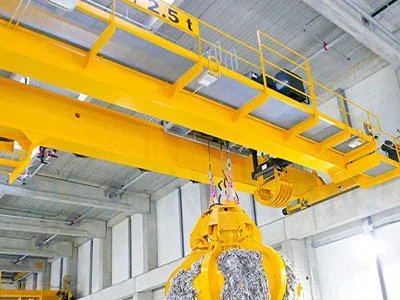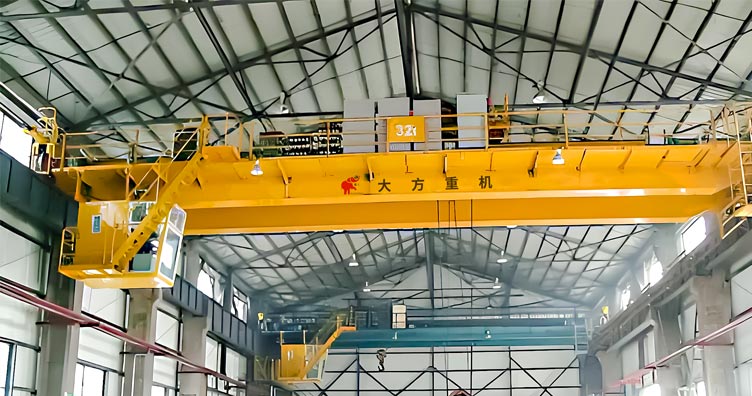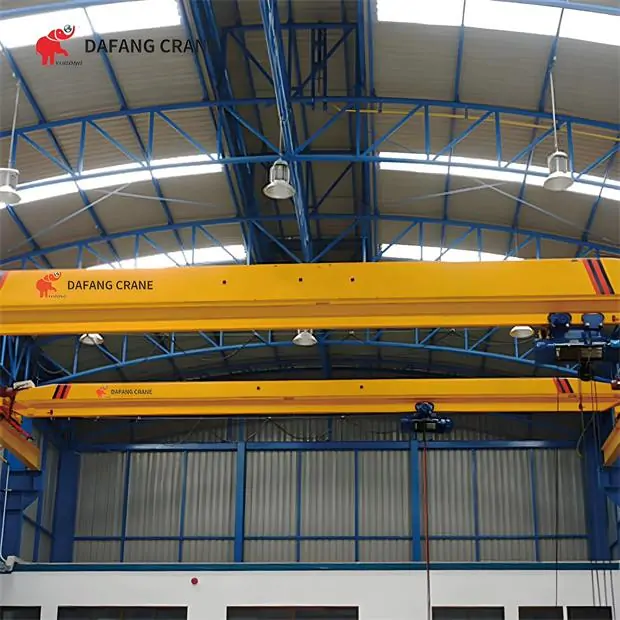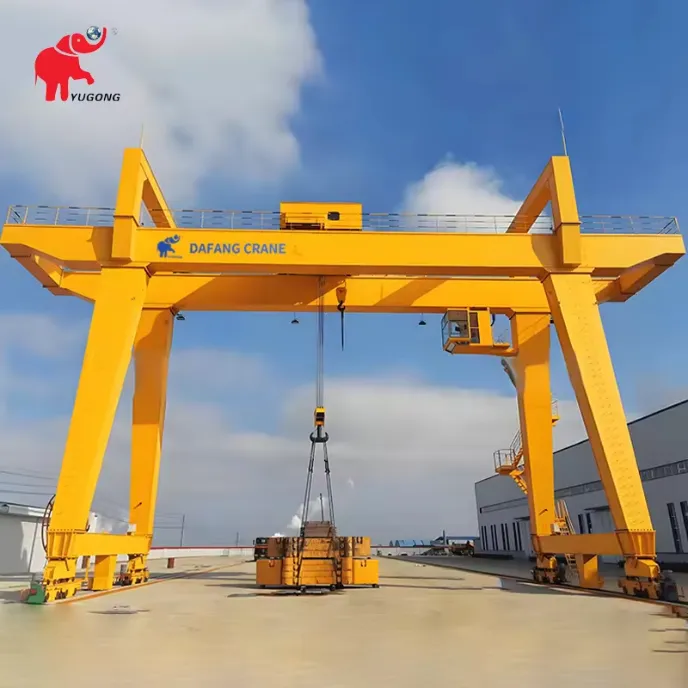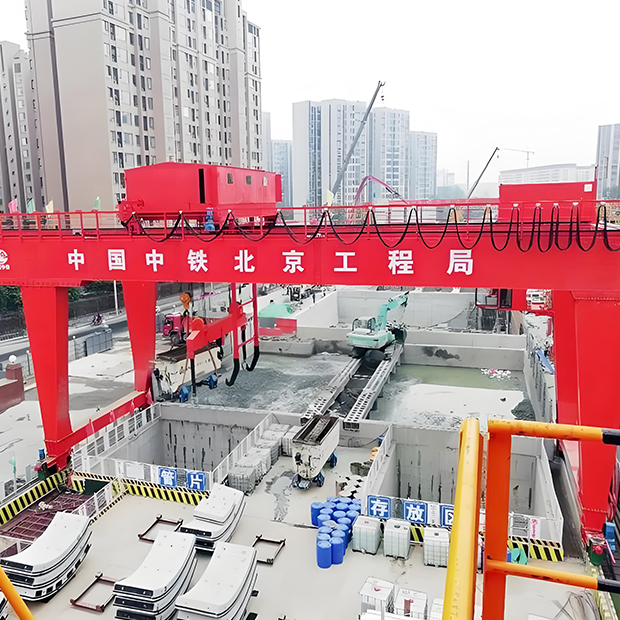

An overhead crane for paper mill use is usually a double-girder bridge crane built for continuous duty. Its roll hoists are specified at a high duty group, and its electrics and steelwork are protected against heat, humidity and paper dust. A standard workshop crane can lift the weight, but it is rarely built for this duty cycle.
Buyers tend to get stuck on the same points: one crane or two, two trolleys or three, hoist trolley or winch trolley, and how to keep lifting available when a paper machine cannot stop. Quotes are also hard to compare, because two offers for the same tonnage can describe very different machines.
This guide follows the order in which the decisions are usually made: which crane goes where, how to configure it, what to specify for the environment, which certificates to ask for, and what to prepare before you request a quote. The table gives the short version.
جدول المحتويات
| Mill area | Typical crane | What matters most |
|---|---|---|
| Dry end / winder | Double girder, two or three hook sets | Continuous duty, smooth roll positioning |
| Wet end / process | Double girder, heavy-lift hook | Heaviest parts, humidity and corrosion |
| Roll grinding and workshop | عارضة مفردة أو مزدوجة | Heaviest roll, slow precise inching |
| Roll storage | Single or double girder with attachment | Gentle handling of finished rolls |
Relevant Dafang lines include رافعات علوية مزدوجة العارضة, رافعات كهربائية and the QB explosion-proof type for classified areas.
Overhead Crane in a Paper Mill: Which Crane Goes Where
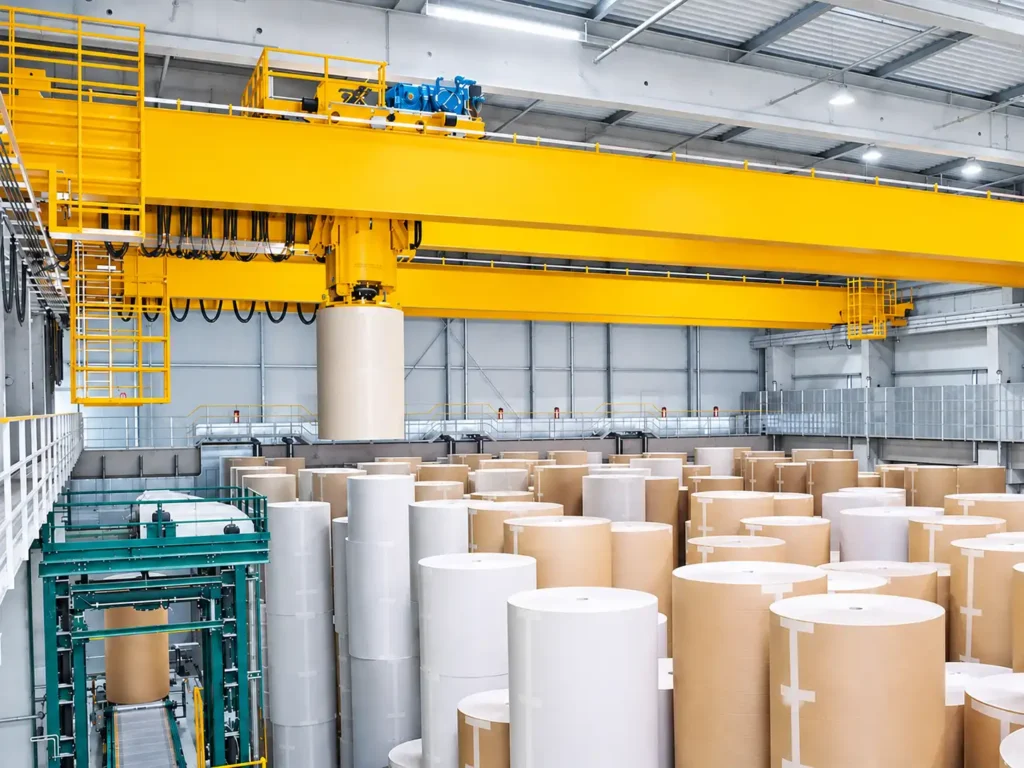
Dry-End Crane for Parent Rolls
The dry-end (winder) crane is the busiest crane in the mill and needs a continuous-duty specification. Rolls leave the winder on a fixed cycle, so the crane works close to the machine's rhythm. On large machines a single parent roll can weigh 20 tonnes or more, and one published case at a German mill lifts a roll of about 22 tonnes roughly every 30 minutes. Duty class should therefore be worked out from your roll cycle and roll weight, counting the lifting beam as part of the load. Record your peak rolls per hour before you talk to any supplier.
Wet-End Service Crane
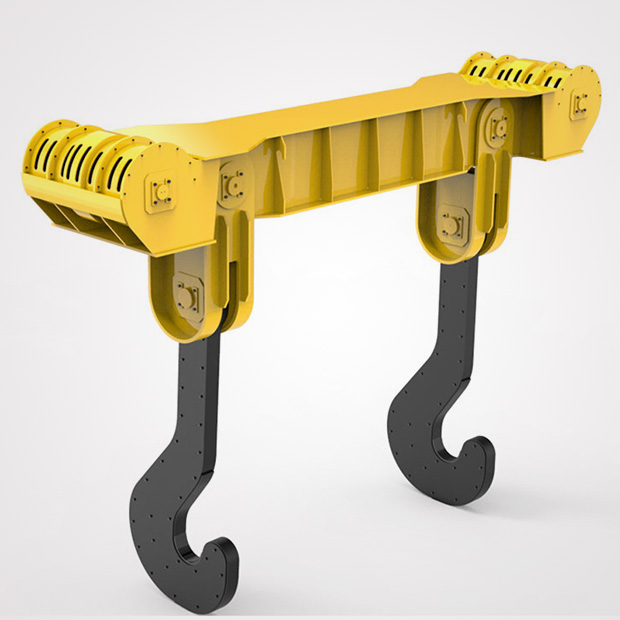
The wet-end crane lifts less often but handles the heaviest machine parts in the harshest air. It is used for roll changes and maintenance, so it is usually sized for the heaviest single component. In one published layout, for example, two 20 t outer hooks are combined with a 40 t centre hook. Steam and moisture attack steel and electrics here, so park the crane away from the wettest zone when idle. If you want it to back up the roll hooks, ask for matching hoist speeds. Otherwise the heavier hook cannot stand in.
Workshop and Roll-Grinding Cranes
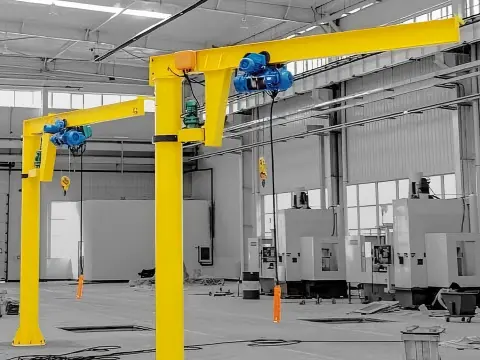
Workshop and roll-grinding bays follow ordinary workshop rules, with capacity set by the heaviest part you will lift. These cranes lift rarely, so slow, accurate speeds matter more than fast cycles, especially when positioning a roll on a grinder. For one local work area, a cantilever crane can take load off the main bridge.
Choosing the Crane Configuration
Crane and Trolley Layout
One crane costs less and two keep production lifting; the trolley count decides how much backup each crane provides. A common layout uses two trolleys for daily roll handling and adds a central third trolley for maintenance and backup. If one trolley fails, lifting continues on the others. A single crane has the lowest investment, but a bridge or trolley-travel fault stops all lifting, so ask each supplier what happens in that case. More trolleys also mean a heavier bridge, which raises wheel loads and runway cost.
Hoist Trolley or Winch Trolley
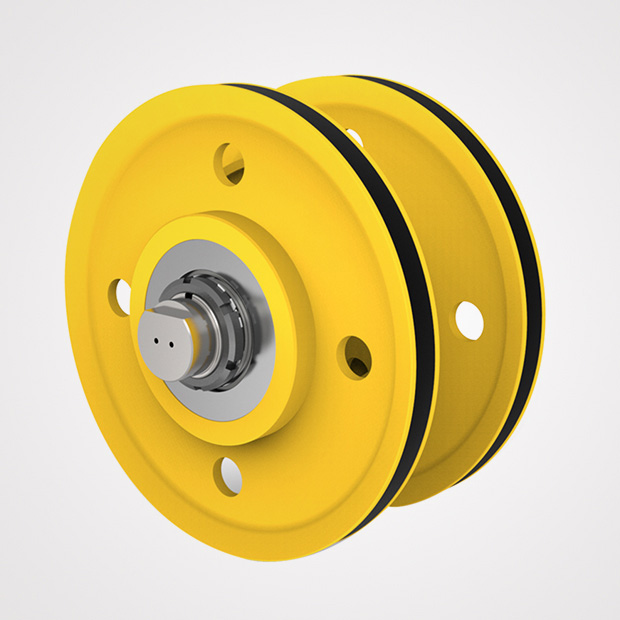
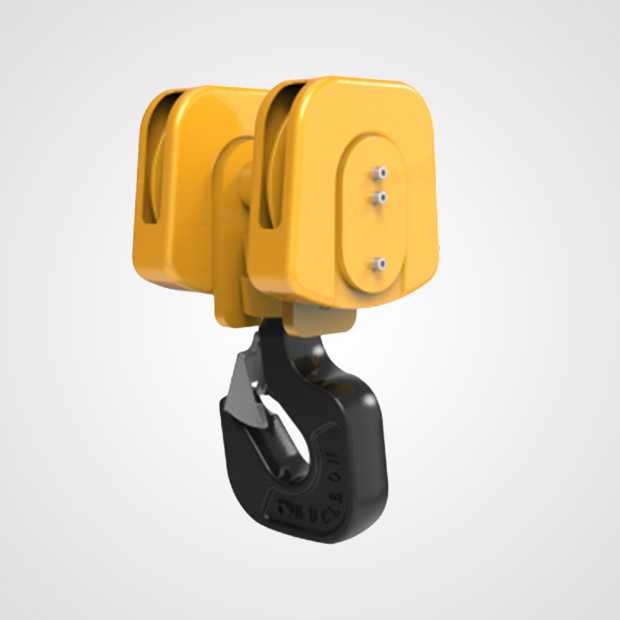
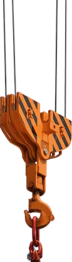
Hoist trolleys are lighter and need less headroom; winch trolleys remain the usual choice for the heaviest capacity and duty. A lighter hoist-type trolley lowers wheel loads, which helps when the runway and columns are limited. A winch trolley is built for the heaviest lifts. Standard hoists are often built for lighter duty, so check the duty-group rating of any hoist or trolley against your roll cycle, not just its capacity. Dafang's double girder range includes both hoist-trolley and winch-trolley designs, and our engineers can tell you which suits your load.
Duty Class for Paper Roll Cranes
Roll hoists in paper mills are commonly specified at M6 or higher, so duty class matters more than rated capacity. Published design guidance often puts the whole roll crane around A6. Treat these as starting points only, because your roll cycle decides the real figure. Variable-frequency drives give soft starts and slow, controlled speeds for placing rolls, and radio remote control lets the operator choose the best viewpoint. Where two hoists lift one roll, they should be synchronised.
Retrofitting an Existing Paper Mill Hall
In an existing hall, runway strength, headroom and span set which crane you can fit. Before choosing a model, have the runway beams and columns checked against the new crane's wheel loads. Measure the real headroom from rail top to the lowest obstruction, such as pipes and ducts. A lighter hoist-type trolley can help, but only an engineering check confirms it. Dafang's design consultation service can review these limits with you before the specification is fixed.

Heat, Humidity and Dust: What to Specify
Moisture and Corrosion Protection
Humidity attacks steelwork and electrics, so protection should be written into the quotation. Ask for the coating system, sealed motors and control cabinets, and corrosion-resistant fasteners in wet zones. Request the protection rating of each electrical enclosure in writing, and compare it between suppliers. Do not leave these items as assumptions.
Oil and Dust Control
A leaking gearbox above a finished roll is a quality and safety problem. Ask for leak-resistant seals, drip protection where needed and sealed bearings. Paper dust also builds up on current collectors and conductor bars, so plan a cleaning routine. In areas classified for combustible dust, an explosion-proof crane such as the QB type may be required, so confirm the classification with your local safety rules first.
Lifting Attachments
Decide the lifting attachment early, because the crane must be designed around its weight and interface. Roll clamps, C-hooks and vacuum lifters are normally specified together with the paper machine supplier or an attachment specialist. Send the attachment weight and hook-to-attachment dimensions to your crane supplier at the start.
Certifications and Compliance
Standards Buyers Usually Ask For
Buyers usually ask for CE marking, ISO 4301 or FEM classification, ISO 9001, and market-specific marks. CE marking under the Machinery Directive 2006/42/EC is the usual reference for EU projects. ISO 4301 and FEM describe crane and mechanism classification. ISO 9001 covers the manufacturer's quality system. EAC applies in Eurasian markets, and OSHA requirements apply in US workplaces. Pick the ones that match your country.
Why These Documents Matter
Missing paperwork can delay customs clearance, complicate insurance and fail a plant safety audit. For a crane that supports continuous production, any delay is expensive, so settle documentation before the order.
How to Verify
Ask for specific documents instead of general assurances. Request the EC declaration of conformity, the overload test report, the ISO 9001 certificate and component certificates. Check that each certificate names the manufacturer and covers the product. This is general guidance, not a promise that any configuration carries a given certificate, so confirm in writing.
Price Factors and Supplier Checks
What Affects the Price of a Paper Mill Crane
Span, capacity, duty class, hoist type and controls decide the price far more than tonnage alone. A paper mill crane is configured to the machine, so a price-per-ton figure is misleading and we do not publish one. More trolleys, a higher duty class, synchronisation, anti-collision systems, upgraded coating and sealing, and longer spans all raise the cost. Transport, installation and runway work come on top. When you compare a crane for sale from different suppliers, compare these items line by line, not only the total.
Questions to Ask Every Supplier
A reliable supplier can answer duty, standards, testing, components and service questions in writing. Ask for the duty group of every hoist and travel mechanism, the standards followed, the test procedure and the brands of key components. Ask what delivery and installation include, and how spare parts are supplied, since a mill cannot wait weeks for a gearbox. Dafang works from an 850,000 m² manufacturing base with 2,600+ employees and supplies قطع غيار الرافعات alongside complete cranes.
Information to Prepare Before Requesting a Quote
A complete data sheet gets you a comparable quote faster. Prepare the following:
- Roll data: weight, diameter, width, and peak rolls per hour
- Attachment: type and weight of the lifting beam or clamp
- Building: span, rail-top height, headroom and runway capacity
- Environment: temperature, humidity, dust and any hazardous-area classification
- Controls: cabin, pendant or radio, and any interface with machine systems
- Market: country of use and required certificates
Planning an overhead crane for your paper mill? Send this data to our account manager Stella or message us on WhatsApp at +8613603732637. You can also use the Get inquiry form to request a quote or ask about buying options.
يجب تأكيد اختيار المعدات النهائية مع مهندس من شركة دافانغ، ويجب أن يتوافق مع لوائح معدات الرفع المحلية.
أسئلة شائعة
Q1:How many overhead cranes does a paper machine hall need?
One crane costs less, and two keep production lifting. Most halls use one or two, depending on how much downtime they can accept. A single three-trolley crane is the cheapest option, but a bridge or trolley-travel fault stops all lifting, so maintenance planning matters more.
Q2:What duty class does a paper roll crane need?
Roll hoists are commonly specified at M6 or higher. Your paper machine's roll cycle and roll weight set the actual requirement. Share both with the supplier before choosing a standard model, because capacity alone does not show whether a crane suits the duty.
Q3:Can a standard workshop overhead crane be used in a paper mill?
Usually not for dry-end roll handling, which needs a continuous-duty specification. A standard crane may suit a lighter-duty maintenance or storage bay. Humidity and dust protection should still be added, so confirm the exact area with your supplier.
Q4:How much does an overhead crane for a paper mill cost?
There is no single figure. Price follows span, capacity, duty class, hoist type, trolley count and controls, plus coating, sealing, transport and installation. Request itemised quotes using the same data sheet so suppliers price the same specification.