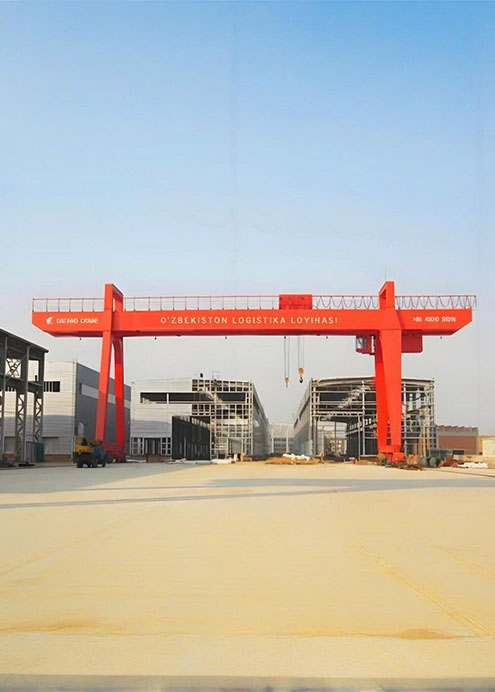
طلب
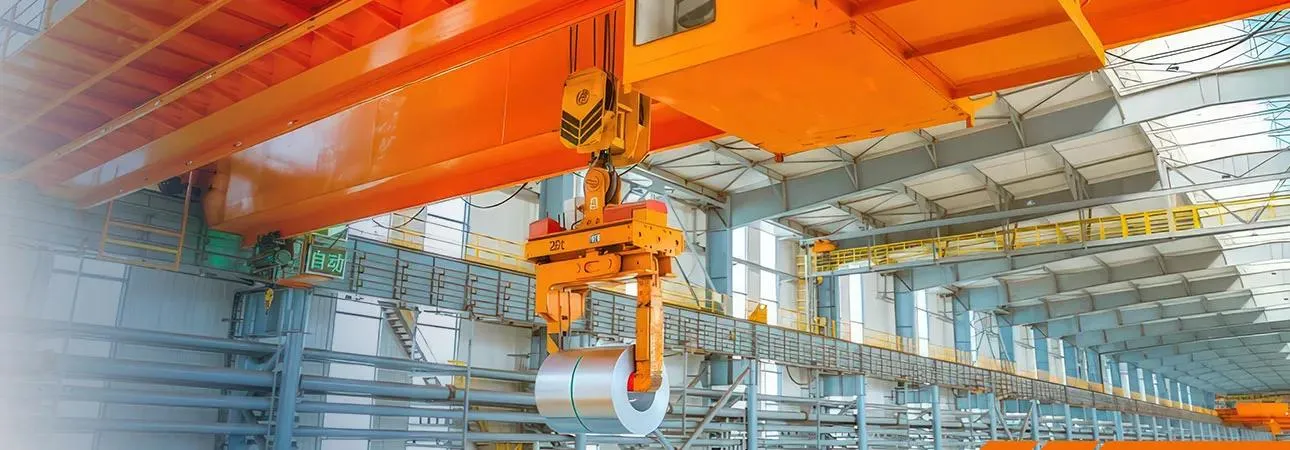
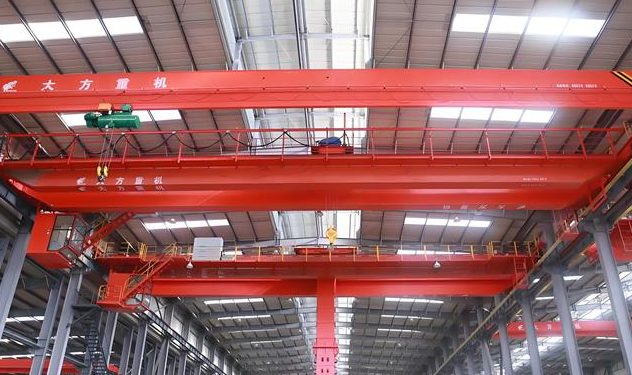
لا يمكن فصل ورشة المصنع عن الماكينة الجسرية. في ورشة تصنيع السيارات، تكون الرافعة الجسرية مسؤولة عن التعامل مع الأجزاء الثقيلة مثل كتلة أسطوانة المحرك وناقل الحركة، ووضعها بدقة بين محطات المعالجة لتجنب الاصطدام والتلف. في مصنع الحديد والصلب، تشارك الرافعة الجسرية في العملية برمتها، بدءًا من رفع البليت الساخن بواسطة فرن صناعة الصلب، إلى نقل المواد في ورشة الدرفلة، ثم إلى تخزين وإرجاع الصفيحة الفولاذية النهائية. يضمن تشغيلها المستقر استمرارية خط الإنتاج ويحسن بشكل فعال من كفاءة الإنتاج الإجمالية وجودة المنتج في المصنع.
كل مصنع يعاني من مشكلة في مناولة المواد. قد يكون السبب عامل تشغيل يسحب قطع العمل الثقيلة يدويًا على الأرض، أو خط تجميع متوقف بينما يقوم العمال بتجهيز قالب لإزالته، أو ورشة تصنيع حيث تتكدس المكونات الثقيلة في مكان واحد بانتظار الرافعة الشوكية. القاسم المشترك بين كل هذه المشاكل هو أن المناولة اليدوية أو غير الكافية للمواد تقلل الإنتاجية، وتزيد من خطر الإصابات، وترفع تكلفة العمالة في كل دورة إنتاج.
تُساهم أنظمة الرافعات العلوية، عند اختيارها بعناية لتناسب متطلبات الورشة، في حل هذه المشكلات بشكل مباشر. فالرافعة المناسبة في الموقع المناسب تُقلل من زمن دورة الإنتاج، وتُخفف العبء البدني عن العمال المهرة، وتُحسّن دقة تحديد المواقع، وتُمكّن من تحقيق معدلات إنتاج لا يُمكن الوصول إليها بالطرق اليدوية.
تتناول هذه الصفحة أنظمة الرافعات وحلول مناولة المواد المستخدمة في ورش المصانع: أي نوع من الرافعات يناسب أي تطبيق، وما هي السعة والمدى المناسبان، وما هي تحسينات الإنتاجية التي يوفرها نظام مُصمم بدقة. قامت شركة دافانغ للرافعات بتصميم وتوريد حلول رفع ورش العمل لمرافق التصنيع في قطاعات تشغيل المعادن، والسيارات، والإلكترونيات، وتصنيع الأغذية، وصناعة القوالب، والإنتاج الصناعي العام لأكثر من 20 عامًا. وتعكس الإرشادات الواردة في هذه الصفحة هذه الخبرة العملية.
تُشير تحليلات إنتاجية المصانع باستمرار إلى أن حركة المواد تُعدّ من أكبر مصادر الوقت الضائع في عمليات الإنتاج. فالمكونات التي تنتظر النقل، والعمال الذين يُعيدون وضع قطع العمل الثقيلة يدويًا، وتوقفات الإنتاج أثناء إعادة تجهيز المواد للنقل، كلها تستهلك وقتًا كان من المفترض أن يُخصصه جدول الإنتاج للأعمال ذات القيمة المضافة.
تُعالج مبادئ التصنيع الرشيق هذا الأمر بشكل مباشر، إذ ينبغي أن تتدفق المواد إلى نقطة الاستخدام دون تراكم، ودون جهد يدوي، ودون تأخير. وتدعم أنظمة الرافعات العلوية المدمجة في تصميم خلايا الإنتاج هذا الهدف من خلال جعل حركة المواد مُتحكمًا بها، وقابلة للتنبؤ، وسريعة. كما أن رافعة ذراع محطة العمل التي تُمكّن مُشغل آلة CNC من تحميل وتفريغ الآلة بشكل مستقل تُغني عن انتظار رافعة شوكية مشتركة، وتمنح المُشغل تحكمًا مباشرًا في دورة مناولة المواد.
إلى جانب الكفاءة، تُعدّ سلامة مناولة المواد من أهمّ جوانب السلامة في مكان العمل. فالمناولة اليدوية للقوالب الثقيلة والمكونات الكبيرة المصنّعة والتجميعات المُصنّعة تُشكّل سببًا رئيسيًا لإصابات الجهاز العضلي الهيكلي في قطاع التصنيع. وتُساهم أنظمة الرافعات العلوية في تخفيف عبء الرفع اليدوي، ما يحمي العمال ويُقلّل من تكاليف الإصابات المُصاحبة للمناولة اليدوية للمواد في بيئات الإنتاج الثقيلة.
من أجل تطوير المصانع الذكية، تتكامل أنظمة الرافعات العلوية المزودة بوحدات تحكم VFD وتسجيل البيانات والواجهات المتوافقة مع الأتمتة بشكل طبيعي مع أنظمة إدارة المصانع الأوسع نطاقًا - مما يدعم الانتقال من سير العمل اليدوي إلى شبه الآلي وفي النهاية إلى سير العمل الآلي بالكامل.
تتعامل ورش التصنيع العامة مع مجموعة واسعة من المكونات ومهام الإنتاج، بدءًا من الأجزاء المشغّلة آليًا والتجميعات المصنّعة، وصولًا إلى الأدوات والمواد قيد التصنيع، وذلك عبر عمليات متعددة. يجب أن يخدم نظام الرافعات الورشة بأكملها دون أن يكون مُحسّنًا لمهمة محددة على حساب المهام الأخرى.
الحل الموصى به: رافعة علوية أوروبية أحادية العارضة
توفر الرافعة العلوية الأوروبية أحادية العارضة تغطية كاملة لورش العمل على امتدادات تتراوح من 8 إلى 25 مترًا، بقدرات رفع من 1 إلى 16 طنًا، ما يغطي نطاق أوزان المكونات لمعظم عمليات التصنيع العامة. ويساهم تصميم الرافعة المدمج المصنف وفقًا لمعايير FEM - مع توفر خيار التكوين ذي الارتفاع المنخفض - في زيادة ارتفاع الخطاف إلى أقصى حد داخل المبنى، وهو أمر بالغ الأهمية في ورش العمل ذات الارتفاعات القياسية للأسقف الصناعية.
يُتيح نظام التحكم بتردد متغير (VFD) في حركتي الرفع والتحريك نقلًا سلسًا ومتحكمًا للأحمال، وهو ما يتطلبه التصنيع العام: سرعة عالية للتنقل الجماعي عبر ورشة العمل، وسرعة منخفضة لوضع الأحمال بدقة في محطة العمل. يستطيع المشغلون ذوو مستويات الخبرة المختلفة في تشغيل الرافعات وضع الأحمال بدقة دون الاهتزازات والتأرجحات المصاحبة للأنظمة القديمة التي تعمل بالتحكم عبر الموصلات.
السعة النموذجية: من 1 إلى 16 طنًا
المدى النموذجي: من 8 إلى 25 متراً
فئة الخدمة: FEM من 2 متر إلى 3 أمتار (من A4 إلى A5)
تُشكّل ورش الآلات تحديًا خاصًا في مناولة المواد: إذ يجب تحميل قطع العمل الثقيلة - كالمسبوكات والمطروقات والقطع المعدنية الكبيرة - في مراكز التشغيل الآلي CNC، وإعادة وضعها بين العمليات، ونقلها إلى قسم الفحص أو الشحن. وتتكرر دورة مناولة قطع العمل في كل آلة، وفي كل وردية عمل. وتُعدّ المناولة اليدوية بطيئة، وتتطلب جهدًا بدنيًا كبيرًا، ولا تتناسب مع أوقات دورات التشغيل الآلي الضيقة.
الحل الموصى به: رافعة ذراع (مثبتة على عمود أو جدار)
تتيح رافعة ذراع الجيب، الموضوعة عند كل مركز تشغيل CNC أو لخدمة مجموعة من الآلات في خلية إنتاجية، لمشغل الآلة تحكمًا مباشرًا في مناولة قطع العمل دون الاعتماد على رافعة علوية مشتركة أو رافعة شوكية. يغطي قوس دوران رافعة ذراع الجيب طاولة الآلة، والمنصة الواردة، وموضع الإخراج في دورة واحدة تتراوح بين 180 و270 درجة. ينخفض زمن دورة التحميل والتفريغ لكل قطعة بشكل ملحوظ مقارنةً بالمناولة اليدوية أو استخدام رافعة مشتركة.
الرافعات ذات الذراع العمودية قائمة بذاتها - مثبتة على عمود مغروس في الأرضية - وتناسب تصميمات ورش الآلات حيث يكون التثبيت على الجدران غير عملي أو عندما تحتاج الرافعة إلى خدمة عدة آلات في مجموعة. أما الرافعات ذات الذراع المثبتة على الجدران فتُثبّت على الجدران أو الأعمدة الهيكلية وتناسب مواقع الآلات الفردية حيث يوفر الجدار دعماً هيكلياً كافياً.
السعة النموذجية: من 0.5 إلى 5 أطنان
قوس الدوران: من 180 درجة إلى 270 درجة
فئة الخدمة: FEM من 2 متر إلى 3 أمتار
فوائد الإنتاجية: يؤدي التحكم في عملية التحميل والتفريغ بواسطة المشغل إلى تقليل وقت توقف الماكينة لكل قطعة عمل، مما يحسن بشكل مباشر معدل استخدام الماكينة.
تتعامل ورش التصنيع واللحام مع ألواح الصلب، والقطاعات الهيكلية، والتجميعات الفرعية المصنعة - وهي مواد ثقيلة، ذات أشكال غير منتظمة، وتتطلب إعادة تموضع متكررة بين عمليات القطع والتشكيل والتركيب واللحام. ويتأثر تدفق الإنتاج في ورشة التصنيع بمدى كفاءة نقل المواد بين هذه العمليات.
الحل الموصى به: رافعة علوية أوروبية مزدوجة العارضة
تتطلب أعمال التصنيع الثقيلة - كالهياكل الفولاذية ومكونات أوعية الضغط والملحومات الكبيرة - قدرة رفع تتجاوز ما توفره الرافعات أحادية العارضة عمليًا. توفر الرافعة العلوية الأوروبية ثنائية العارضة قدرة رفع تتراوح من 8 إلى 80 طنًا، مع الصلابة الهيكلية وارتفاع الخطاف اللازمين لأعمال التصنيع الثقيلة. تعمل عربة الرفع العلوية على زيادة ارتفاع الخطاف داخل المبنى إلى أقصى حد، مما يسمح برفع التجميعات الهيكلية الكبيرة بعيدًا عن أرضية العمل وإعادة وضعها بدقة للتركيب واللحام.
تُتيح ملحقات الرفع الكهرومغناطيسية في الرافعات ذات العارضة المزدوجة التعامل مع ألواح وقضبان الصلب دون الحاجة إلى التجهيز اليدوي - حيث يقوم المشغل بوضع الرافعة، وخفض المغناطيس، وتنشيطه، ثم الرفع. وتتحسن سرعة مناولة الألواح بشكل ملحوظ مقارنةً بالرفع باستخدام الحبال التقليدية لكل عملية رفع.
السعة النموذجية: من 8 إلى 80 طنًا
المدى النموذجي: من 12 إلى 32 متراً
فئة الخدمة: FEM من 3 إلى 4 أمتار (من A5 إلى A6) لإنتاج التصنيع عالي التردد
تجمع ورش التجميع بين متطلبات تحديد المواقع بدقة - حيث يجب وضع المكونات بدقة في مكان التجميع - ودورات الرفع المتكررة، إذ تُنفذ العملية نفسها في كل وحدة إنتاج. ويجب أن يوفر نظام الرافعة دقة تحديد المواقع وسرعة في دورة العمل.
الحل الموصى به: رافعة جسرية لمحطة العمل
رافعات الجسور في محطات العمل هي أنظمة رافعات علوية خفيفة الوزن ووحداتية، تستخدم عادةً أقسامًا من الألومنيوم أو الفولاذ الخفيف، وهي مصممة للتركيب داخل خلايا الإنتاج الفردية أو مناطق التجميع. توفر هذه الرافعات تحكمًا دقيقًا وسهلًا في الأحمال على مستوى محطة العمل، مما يسمح لمشغلي التجميع بوضع المكونات بدقة متناهية دون بذل جهد بدني.
توفر الرافعات التي يتم التحكم فيها بواسطة محركات التردد المتغير (VFD) في رافعات محطات العمل سرعات متغيرة - سرعة عالية لتحديد المواقع، وسرعة منخفضة لوضعها النهائي - وهي متطلبات عمليات التجميع. ويمكن دمج أقسام المسار المدمجة في تصميم خلية الإنتاج بأي اتجاه، بما في ذلك المنحنيات والمفاتيح لخلايا التجميع متعددة المحطات.
السعة النموذجية: من 125 كجم إلى 2000 كجم
المدى النموذجي: من 3 إلى 12 متراً
فئة الخدمة: FEM من 2 متر إلى 3 أمتار
فوائد الإنتاجية: يتحكم مشغلو التجميع في دورة مناولة المواد الخاصة بهم - مما يلغي وقت الانتظار لموارد الرافعات المشتركة ويحسن إنتاجية خلية الإنتاج.
تتضمن عمليات تصنيع القوالب وتغييرها بعضًا من أثقل عمليات الرفع في بيئات التصنيع قياسًا بحجم المنشأة. تتراوح أوزان قوالب الحقن الكبيرة، وقوالب الصب، وقوالب التشكيل من 500 كيلوغرام إلى 30 طنًا أو أكثر. ولا يمكن التعامل معها يدويًا؛ إذ يؤدي نقص الرافعات إلى اختناقات في الإنتاج عند تغيير القوالب، مما يؤثر سلبًا على جدول الإنتاج بأكمله.
الحل الموصى به: رافعة علوية أوروبية مزدوجة العارضة
توفر الرافعة العلوية الأوروبية ذات العارضة المزدوجة السعة وارتفاع الخطاف والمدى اللازم لتغطية كاملة لورشة القوالب. يُعد ارتفاع الخطاف بالغ الأهمية في ورش القوالب، إذ يجب أن يتجاوز القالب ألواح آلة حقن القوالب أثناء الإزالة والتركيب، مما يتطلب مسافة حركة أكبر للخطاف مقارنةً بالعديد من تطبيقات الورش الأخرى.
تُقلل تصميمات الرافعات ذات الارتفاع المنخفض في الرافعات الأوروبية ذات العارضة المزدوجة من المساحة الرأسية المُستهلكة بين العارضة والخطاف، مما يُتيح استعادة ارتفاع الرفع المُمكن استخدامه في ورش العمل التي يُقيّد فيها ارتفاع السقف تصميمات الرافعات القياسية. بالنسبة لورشة قوالب بارتفاع مبنى يتراوح بين 6 و7 أمتار، فإن استعادة 400 إلى 500 ملم من حركة الخطاف من خلال تصميم رافعة ذات ارتفاع منخفض قد يُحدث فرقًا كبيرًا بين رافعة تُناسب التطبيق وأخرى لا تُناسبه.
السعة النموذجية: من 5 إلى 50 طنًا
المدى النموذجي: من 8 إلى 20 متراً
فئة الخدمة: يتراوح حجم القالب من 2 متر إلى 4 أمتار حسب وتيرة تغيير القالب
تتطلب مرافق تجميع الإلكترونيات ومصانع التصنيع الدقيق عمليات رفع لطيفة ومتحكم بها، وهو ما لا توفره الرافعات الصناعية القياسية دائمًا. يُشكل تأرجح الحمولة أثناء النقل، والبدء والتوقف المفاجئ، والاهتزاز أثناء الإنزال، جميعها مخاطر على المكونات الحساسة والتجميعات الدقيقة.
الحل الموصى به: رافعة علوية معلقة من نوع LX مزودة برافعة سلكية كهربائية من نوع FEM
توفر رافعة LX العلوية المعلقة - حيث تتحرك عربة الرفع على الحافة السفلية لعارضة المسار - إمكانية الرفع في المساحات ذات الارتفاع المنخفض ضمن مرافق الإنتاج المدمجة. يناسب هذا التصميم ورش الإلكترونيات والتجميع الدقيق حيث تكون ارتفاعات المباني متواضعة، ويجب أن يتناسب نظام الرافعة مع المساحة المتاحة دون استهلاك مساحة أرضية قابلة للاستخدام.
توفر رافعات الأسلاك الكهربائية المصنفة وفقًا لمعايير FEM في رافعة LX رفعًا سلسًا يتم التحكم فيه بواسطة محرك التردد المتغير مع أدنى حد من الاهتزاز أثناء الإنزال النهائي، مما يحمي المكونات الحساسة أثناء المناولة. إن الجمع بين هيكل الرافعة المدمج وحركة الرفع المتحكم بها يجعل هذا التكوين مناسبًا لتجميع الإلكترونيات، وإنتاج الأجهزة البصرية، وغيرها من بيئات التصنيع الدقيقة.
السعة النموذجية: من 0.5 إلى 5 أطنان
المدى النموذجي: من 4 إلى 16 متراً
فئة الخدمة: FEM 1Bm إلى 2m
ميزة: يُناسب التصميم ذو الارتفاع المنخفض بيئات الإنتاج النظيفة ذات الارتفاع المحدود
تفرض منشآت تصنيع الأغذية متطلبات خاصة بمناولة المواد، يجب على أنظمة الرافعات الصناعية مراعاتها دون المساس بمعايير النظافة. ويجب ألا تتسبب الرافعات العلوية في مصانع تصنيع الأغذية في أي خطر تلوث ناتج عن مواد التشحيم أو الصدأ أو الجزيئات المتساقطة على منطقة الإنتاج أو المنتج الغذائي.
الحل الموصى به: رافعة علوية معلقة من نوع LX بمواصفات مناسبة للأغذية
تُصمم رافعات LX العلوية المعلقة، المُخصصة لتطبيقات تصنيع الأغذية، بمكونات من الفولاذ المقاوم للصدأ أو مطلية بمواد غذائية على الأسطح فوق منطقة الإنتاج، ومحامل محكمة الإغلاق تمنع تسرب مواد التشحيم، وأسطح ملساء تقلل من تراكم الجزيئات. يحافظ تصميم العارضة المعلقة على وجود الفولاذ الإنشائي فوق منطقة الإنتاج، ويوفر تغطية الرافعة اللازمة لمعالجة المكونات، وصيانة المعدات، ونقل المنتج النهائي دون وجود عوائق ثابتة على مستوى الأرضية.
السعة النموذجية: من 0.5 إلى 5 أطنان
المدى النموذجي: من 4 إلى 16 متراً
مواصفات المواد: مكونات من الفولاذ المقاوم للصدأ، ومحامل محكمة الإغلاق، وطلاءات آمنة للاستخدام مع الطعام عند الاقتضاء.
يواجه إنتاج قولبة الحقن مهمتين رئيسيتين في مجال الرفع: تغيير القوالب - وهي مهمة ثقيلة وغير متكررة وتتطلب تغطية كاملة من رافعات الورشة - ومناولة مواد الإنتاج - وهي مهمة أخف وزنًا وأكثر تكرارًا، وغالبًا ما تتم في مواقع محددة على الآلة. وقد لا يكون نظام رافعة واحد كافيًا لأداء كلتا المهمتين على النحو الأمثل.
الحل الموصى به: رافعة علوية أوروبية أحادية العارضة + رافعات ذراع في مواقع الآلات
توفر رافعة علوية أوروبية أحادية العارضة، تغطي كامل ورشة العمل، القدرة اللازمة لتغيير القوالب في جميع الآلات. وتتولى رافعات ذراع فردية، عند كل آلة حقن بلاستيك أو عند مجموعات الآلات الصغيرة، مهام مناولة مواد الإنتاج الخفيفة، مثل تحميل الحشوات، وإزالة الأجزاء النهائية للفحص، وإعادة وضع المواد على مستوى الآلة. يمنح هذا النظام المشغلين تحكمًا مباشرًا محليًا مع الحفاظ على القدرة على تغيير القوالب الثقيلة في جميع أنحاء المنشأة.
قدرة رافعة الورشة: من 5 إلى 20 طنًا (حسب وزن القالب)
قدرة الرافعة الجيبية: من 125 كجم إلى 2000 كجم لكل موضع آلة
فائدة: يؤدي فصل عملية رفع القوالب الثقيلة عن مناولة دورة الإنتاج إلى التخلص من تعارضات جدولة الرافعات أثناء تغيير القوالب.
تتولى ورش الصيانة في المصانع التعامل مع المعدات الثقيلة - كالمحركات وعلب التروس والمضخات والضواغط - في بيئة صيانة تتسم بتنوع مهام الرفع وعدم القدرة على التنبؤ بها، حيث يجب أن تلبي الرافعة جميع احتياجات الرفع في أي يوم. وتُعدّ المرونة والقدرة الكافية مع هامش أمان معقول من أهم متطلبات المواصفات.
الحل الموصى به: رافعة علوية أحادية العارضة أوروبية أو رافعة علوية مزدوجة العارضة سريعة الفك
بالنسبة لورش الصيانة التي تتعامل مع معدات يتراوح وزنها بين 1 و16 طنًا، توفر رافعة علوية أوروبية أحادية العارضة مزودة بخطاف تغطية متعددة الاستخدامات. أما بالنسبة للمعدات الصناعية الأثقل - مثل مجموعات المضخات الكبيرة والضواغط وعلب التروس الصناعية - فإن الرافعة العلوية ثنائية العارضة ذات السعة الأكبر والصلابة الهيكلية العالية هي الخيار الأمثل.
السعة النموذجية: من 2 إلى 32 طنًا حسب أثقل رافعة صيانة
فئة الخدمة: FEM من 1Bm إلى 2m (من A3 إلى A4) - تعمل رافعات الصيانة عادةً بتردد دورة معتدل
| نوع ورشة العمل | رافعة موصى بها | السعة النموذجية | المزايا الرئيسية |
|---|---|---|---|
| التصنيع العام | رافعة علوية أوروبية أحادية العارضة | 1-16 طنًا | تغطية كاملة لورشة العمل، تصميم صغير الحجم، تحكم VFD |
| التصنيع الثقيل / اللحام | الرافعة العلوية الأوروبية ذات العارضة المزدوجة | 8-80 طنًا | سعة كبيرة، ارتفاع خطاف عالٍ، خيار كهرومغناطيسي |
| ورشة تصنيع باستخدام الحاسوب (CNC) | رافعة عمودية أو جدارية | 0.5–5 طن | يتم التحكم فيه بواسطة المشغل، تحميل وتفريغ سريع، لا يعتمد على رافعة مشتركة |
| ورشة التجميع | رافعة جسر محطة العمل | 125 كجم - 2000 كجم | تحديد المواقع بدقة، وتكامل الإنتاج الرشيق، وجهد منخفض |
| ورشة القوالب | الرافعة العلوية الأوروبية ذات العارضة المزدوجة | 5-50 طنًا | خيار رافعة ذات سعة عالية وارتفاع منخفض، تغطية كاملة للمتجر |
| تجميع الإلكترونيات | رافعة LX معلقة + رافعة FEM | 0.5–5 طن | تحكم VFD سلس وصغير الحجم، ارتفاع منخفض |
| تصنيع الأغذية | رافعة LX المعلقة (مواصفات مناسبة للأغذية) | 0.5–5 طن | تصميم صحي، محامل مغلقة، خيارات من الفولاذ المقاوم للصدأ |
| قولبة الحقن | رافعة ذات عارضة واحدة + رافعات ذراع | 5-20 طن / 0.1-2 طن | تغطية شاملة لتغيير القوالب ومعالجة الإنتاج |
| ورشة الصيانة | رافعة علوية أحادية أو مزدوجة العارضة | 2-32 طنًا | رافعة خطافية متعددة الاستخدامات، ذات قدرة كافية لصيانة المعدات |
| مستودع | LX معلق أو جسر علوي ذو عارضة واحدة | 1-10 أطنان | عائق أرضي منخفض، تغطية كاملة للمنطقة |
| نوع الرافعة | بيئة العمل | التطبيق الموصى به | الفوائد الرئيسية |
|---|---|---|---|
| رافعة علوية أوروبية أحادية العارضة | سقف داخلي قياسي الارتفاع | التصنيع العام، ورش الآلات، التصنيع الخفيف | تصميم صغير الحجم، موفر للطاقة، تغطية كاملة للورشة |
| الرافعة العلوية الأوروبية ذات العارضة المزدوجة | إنتاج كثيف في الأماكن المغلقة | التصنيع الثقيل، ورش القوالب، ورش الصلب | سعة عالية، أقصى ارتفاع للخطاف، هيكل صلب |
| رافعة علوية معلقة من الأسفل من طراز LX | داخلي، سقف منخفض | الإلكترونيات، وتصنيع الأغذية، والتجميع، وارتفاع محدود | يُحسّن التصميم المُعلق من الاستفادة القصوى من مساحة الأرضية، ويتميز بحجمه الصغير. |
| رافعة جسر محطة العمل | خلية إنتاج داخلية | محطات التجميع، الخلايا المرنة، الفحص | تحكم على مستوى المشغل، تحديد المواقع بدقة، تصميم معياري |
| رافعة ذراع عمودية | محطة عمل داخلية قائمة بذاتها | تحميل ماكينات CNC وصيانتها ومواقع اللحام | دوران 270 درجة، لا يعتمد على الجدار، حجم صغير |
| رافعة جدارية مثبتة | وضع داخلي ملاصق للجدار | وضعيات الآلات الفردية، ورفع طاولة العمل | منخفض التكلفة، لا يتطلب تثبيتًا أرضيًا، دوران 180 درجة |
| رافعة سلكية كهربائية من نوع FEM | داخلي، مدمج مع رافعة علوية | إنتاج دقيق، ارتفاع منخفض، تطبيقات عالية التحمل | مجموعة تشغيل موثقة، تحكم سلس في محرك التردد المتغير، تصميم صغير الحجم |
| عملية الإنتاج | الحل الموصى به | لماذا |
|---|---|---|
| دورة التصنيع باستخدام الحاسوب (CNC) | رافعة ذراع عند كل آلة | يتحكم المشغل في عمليات التحميل والتفريغ بشكل مستقل؛ مما يلغي وقت انتظار الرافعة المشتركة |
| تركيب / إزالة القوالب | الرافعة العلوية الأوروبية ذات العارضة المزدوجة | سعة كبيرة وارتفاع خطاف يسمح برفع القالب بالكامل فوق ألواح الماكينة |
| مناولة ألواح الصلب | رافعة علوية أوروبية مزدوجة العارضة مزودة بمغناطيس كهربائي | يلغي الحاجة إلى التجهيز اليدوي لكل عملية رفع؛ ويحسن سرعة حركة الألواح بشكل ملحوظ |
| تغذية مكونات خط التجميع | رافعة جسر محطة العمل | تحكم مريح للمشغل، وتحديد دقيق للموقع في كل محطة تجميع |
| صيانة المعدات | رافعة علوية أحادية أو مزدوجة العارضة | تُغطي مرونة رافعة الخطاف متطلبات الرفع غير المتوقعة للصيانة |
| تخزين واسترجاع البضائع في المستودعات | رافعة علوية معلقة أو ذات عارضة واحدة من نوع LX | تغطية كاملة للممرات دون وجود عوائق على مستوى الأرض تحد من كثافة التخزين |
| التعامل مع مكونات الطعام | رافعة LX المعلقة (صالحة للاستخدام مع المواد الغذائية) | تمنع المواصفات الصحية خطر التلوث من مكونات الرافعة العلوية |
| تحديد موضع اللحام الثقيل | الرافعة العلوية الأوروبية ذات العارضة المزدوجة | يحافظ الهيكل الصلب على دقة وضع التجميعات الثقيلة أثناء التركيب |
تُعدّ الرافعة أهمّ عنصر ميكانيكي في أي نظام رافعة علوية. فهي العنصر الذي يقوم بكل عملية رفع، ويحقق أعلى عدد من الدورات، ويحدد ما إذا كان نظام الرافعة يقدم أداءً ثابتًا طوال عمره التصميمي.
تستخدم رافعات الأسلاك الكهربائية من نوع FEM علبة تروس حلزونية تُشغّل أسطوانة سلكية مُخددة. يقوم المحرك الكهربائي - المصمم وفقًا لمجموعة تشغيل الرافعة FEM - بتحريك الأسطوانة عبر علبة التروس، حيث يقوم بلفّ وفكّ السلك لرفع وخفض كتلة الخطاف. يوفر نظام التحكم VFD في محرك الرافعة تشغيلًا سلسًا ومتغير السرعة، بدءًا من سرعة الحركة الكاملة وصولًا إلى سرعة الزحف، وذلك لوضع الحمولة بدقة.
تتضمن الرافعة المصممة وفقًا لمجموعات التشغيل FEM 9.511 بيانات هندسية موثقة: تصميم مقاومة الإجهاد الهيكلي لعدد دورات التشغيل الإجمالية، ومعامل خدمة علبة التروس المتوافق مع مجموعة الآلية، والتصنيف الحراري للمحرك لمتطلبات التشغيل، والسعة الحرارية للمكابح لتردد الكبح. تُشكل هذه الوثائق الأساس الهندسي للعمر التشغيلي المتوقع للرافعة، وهي ما يميز الرافعة المصممة بشكل صحيح عن تلك المصممة لسعة معينة ولكنها غير مصممة هندسيًا لكثافة التشغيل.
بالنسبة لتطبيقات ورش الإنتاج حيث تعمل الرافعة على مدار عدة نوبات يوميًا، يُعد تصنيف FEM من 2 متر إلى 3 أمتار (ما يعادل FEM من A4 إلى A5) مناسبًا. أما بالنسبة لمواقع الإنتاج المستمر ذات التردد العالي، فيلزم تصنيف FEM 4 أمتار (A6).
تتجاوز أنظمة الرافعات الحديثة في ورش العمل مجرد الرفع الأساسي. تعمل منصات التحكم بتقنية VFD، ومراقبة الأحمال، وواجهات التشغيل الآلي على تحويل الرافعة العلوية من جهاز رفع مستقل إلى مكون متكامل لنظام الإنتاج.
التحكم في محرك التردد المتغير (VFD) يُوفر هذا النظام بدءً وتوقفًا سلسين لجميع الحركات - الرافعة، وحركة الجسر، وحركة العربة. وتتمثل الفوائد العملية في ورش الإنتاج بشكل مباشر: حيث يُحسّن تقليل تأرجح الحمل من سرعة الوضع، ويُقلل التسارع التدريجي من الإجهاد الهيكلي ويُطيل عمر المكونات، كما تُمكّن سرعة الزحف المشغلين من وضع الأحمال بدقة متناهية تصل إلى المليمتر دون الحاجة إلى المهارات المطلوبة في الأنظمة القديمة التي يتم التحكم فيها بواسطة الموصلات.
تحديد المواقع بدقة بفضل خاصية التغذية الراجعة من المشفرات على محركات الحركة، وأنظمة تحديد المواقع بالليزر عند الحاجة، يُتيح هذا النظام تحديد مواقع الرافعة بدقة متناهية عند إحداثيات محددة. في تطبيقات الإنتاج التي تعود فيها الرافعة إلى نفس مواقع الالتقاط والوضع في كل دورة، تُقلل ذاكرة الموقع من زمن الدورة لكل حركة.
تشغيل منخفض الضوضاء يُعد استخدام الرافعات ذات التروس الحلزونية والمحركات التي يتم التحكم فيها بواسطة VFD ذا أهمية تشغيلية في ورش العمل حيث تساهم ضوضاء الرافعات في مستوى الضوضاء المحيطة خلال كل وردية عمل.
كفاءة الطاقة تُقلل محركات التردد المتغيرة المتجددة - التي تستعيد الطاقة أثناء خفض الحمولة وإبطاء الرافعة - من صافي استهلاك الطاقة الكهربائية لكل دورة تشغيل للرافعة. وفي تطبيقات الإنتاج ذات الدورات العالية، تُخفض المحركات المتجددة تكلفة الطاقة بشكل ملحوظ طوال عمر تشغيل الرافعة.
التوافق مع أنظمة التشغيل الآلي المستقبلية تدعم أنظمة التحكم بالرافعات ذات واجهات الاتصال المفتوحة التكامل مع أنظمة إدارة الإنتاج، وأنظمة التخزين الآلية، وخلايا الإنتاج الروبوتية مع ازدياد مستوى أتمتة المصنع. ويجنب تحديد أنظمة التحكم بالرافعات المتوافقة مع الأتمتة منذ البداية تكاليف التحديث الباهظة عند تطور نظام الإنتاج.
مساحة ورشة العمل محدودة. تُقلل الرافعات المعلقة من طراز LX ورافعات الجسور الخاصة بمحطات العمل من مساحة الأرضية التي تشغلها هياكل دعم الرافعات، مما يُبقي الممرات ومناطق الإنتاج متاحة. وتُغطي رافعات الأذرع العمودية في مواقع الآلات الفردية منطقة تحميل الآلة دون تقييد مساحة الأرضية المجاورة.
إرهاق العمال الناتج عن المناولة اليدوية. أي مهمة رفع متكررة - مثل تحميل آلات CNC، أو نقل القوالب، أو وضع القطع الملحومة - والتي تتطلب حاليًا جهدًا يدويًا، تُعد مناسبة لاستخدام رافعة ذراع أو رافعة علوية. وتتجلى الفائدة المريحة بشكل مباشر وقابل للقياس في تقليل مشاكل الجودة المرتبطة بالإجهاد وانخفاض معدلات الإصابات العضلية الهيكلية.
اختناقات الإنتاج في عمليات الرفع. تُسبب موارد الرافعات المشتركة تعارضات في الجدولة خلال فترات ذروة الإنتاج. أما الرافعات الجيبية المخصصة في مواقع الآلات ورافعات محطات العمل في خلايا الإنتاج فتُزيل الاعتماد على الرافعات المشتركة التي تُسبب الاختناقات.
التعامل مع القوالب الثقيلة. تُعدّ عمليات تغيير القوالب من أهم أسباب توقف الإنتاج في عمليات حقن القوالب وصبّها. ويمكن لرافعة علوية مُصممة بشكل صحيح، ذات سعة وارتفاع خطاف مناسبين لأثقل قالب في المنشأة، أن تُحوّل عمليات تغيير القوالب من توقفات تستغرق ساعات إلى عمليات مُخطط لها قصيرة المدة.
مخاطر السلامة الناجمة عن الرفع غير السليم. تُشكل المناولة اليدوية للأحمال التي تتجاوز الحدود الموصى بها، والرفع الارتجالي باستخدام معدات غير كافية، وعدم استقرار مناولة الأحمال أثناء تشغيل الرافعات، جميعها عوامل خطر للإصابة. وتساهم أنظمة الرافعات المصممة بشكل صحيح، ذات السعة المناسبة، ونظام التحكم في التأرجح، وتدريب المشغلين، في القضاء على الظروف التي تُسبب إصابات الرفع.
توسيع ورشة العمل وتحديث أنظمة التشغيل الآلي. أنظمة الرافعات المصممة بسعة مسار كافية لوحدات رافعة إضافية، ووحدات تحكم VFD مع واجهات اتصال مفتوحة، وهياكل رافعات محطات العمل المعيارية التي تستوعب توسيع ورشة العمل وتكامل الأتمتة دون الحاجة إلى استبدال النظام بالكامل.
خبرة تصنيعية تزيد عن 20 عامًا تغطي هذه الرافعات جميع تطبيقات ورش العمل، بدءًا من رافعات الجسور التي تبلغ سعتها 125 كجم في تجميع الإلكترونيات، وصولًا إلى الرافعات العلوية ذات العارضة المزدوجة التي تبلغ سعتها 80 طنًا في ورش التصنيع الثقيلة. وتُسهم الخبرة العملية المكتسبة من المشاريع المنفذة في توفير إرشادات المواصفات التي لا يمكن الحصول عليها من خلال اختيار الكتالوجات فقط.
التصنيع معتمد بشهادات ISO 9001 و CE. نظام إدارة جودة شامل يغطي التصميم والتصنيع والتجميع والاختبار. علامة CE متوفرة لمشاريع السوق الأوروبية والمشاريع الدولية التي تستند إلى المعايير الأوروبية. وثائق مجموعة FEM متوفرة للرافعات والأوناش المحددة وفقًا لمعايير FEM.
مفهوم تصميم العناصر المحدودة الأوروبي. توفر الرافعات الكهربائية ذات الحبال السلكية المصنفة وفقًا لمعيار FEM والرافعات العلوية ذات المعايير الأوروبية هندسة هيكلية مدمجة وأداءً موثقًا للخدمة وتشغيلًا موفرًا للطاقة لا تضاهيها تصميمات الرافعات التقليدية.
حلول هندسية مصممة خصيصاً. يتم التعامل مع الامتدادات غير القياسية، وارتفاعات المباني غير العادية التي تتطلب تصميمات رافعات ذات ارتفاع منخفض، وملحقات الرفع المتخصصة، ومواصفات المواد الغذائية، ومتطلبات واجهة التشغيل الآلي المحددة من خلال التطوير الهندسي الداخلي.
التوريد مباشرة من المصنع. تقوم شركة دافانغ كرين بتصميم وتصنيع هياكل الرافعات وأنظمة الرفع ولوحات التحكم داخلياً. ويؤدي الشراء المباشر من المصنع إلى إلغاء هامش الربح الإضافي الذي تضيفه شركات التوريد التجارية دون تحسين الجودة المقابل.
خبرة في التصدير على مستوى العالم. تم توريد أنظمة رافعات الورش إلى منشآت التصنيع في جميع أنحاء جنوب شرق آسيا والشرق الأوسط وأفريقيا وأمريكا الجنوبية وأوروبا. وتشمل القدرات التشغيلية الراسخة إعداد وثائق التصدير والتعبئة البحرية والتنسيق الجمركي ودعم التركيب في مواقع المشاريع الدولية.
دعم كامل للمشروع. الاستشارات الهندسية في مرحلة تحديد المواصفات، ووثائق إرشادات التركيب، ودعم التشغيل، وتدريب المشغلين، وتوفير قطع الغيار لما بعد البيع طوال فترة تشغيل الرافعة.
س1: ما هي أفضل رافعة لورشة عمل المصنع؟
يعتمد ذلك على مهمة الرفع الأساسية في الورشة. بالنسبة للتصنيع العام الذي يتطلب رفع أوزان تصل إلى 16 طنًا، توفر رافعة علوية أوروبية أحادية العارضة تغطية شاملة للورشة بكفاءة عالية من حيث التكلفة. أما بالنسبة لأعمال التصنيع الثقيلة أو ورش القوالب التي تتطلب رفع أوزان تتراوح بين 8 و80 طنًا، فإن الرافعة العلوية الأوروبية ثنائية العارضة هي الخيار الأمثل. ولتحميل الآلات بشكل فردي في مواقع التحكم الرقمي باستخدام الحاسوب (CNC)، تمنح الرافعة الجيبية المشغل تحكمًا مباشرًا وموضعيًا. أما بالنسبة لخلايا التجميع والإنتاج الرشيق، فتُوفر رافعة جسرية لمحطة العمل رفعًا دقيقًا ومريحًا على مستوى محطة العمل. حدد أقصى وزن للرفع، وتكرار الرفع، ومنطقة التغطية المطلوبة، ومن ثم يتم تحديد نوع الرافعة بناءً على هذه المدخلات الثلاثة.
س2: كيف أختار بين رافعة علوية ذات عارضة واحدة ورافعة علوية ذات عارضتين؟
تُناسب الرافعات العلوية أحادية العارضة التطبيقات التي تصل حمولتها إلى 20 طنًا تقريبًا، حيث يتناسب انخفاض ارتفاعها مع متطلبات المبنى، كما يُقلل وزنها الهيكلي الأخف من تكلفة عارضة المسار. أما الرافعات ثنائية العارضة، فهي مناسبة عندما تتجاوز حمولتها 16 إلى 20 طنًا، أو عندما يكون امتدادها كبيرًا لدرجة أن انحراف العارضة الأحادية يُصبح مصدر قلق، أو عندما يكون أقصى ارتفاع للخطاف داخل المبنى أمرًا بالغ الأهمية، أو عندما تتطلب كثافة دورة التشغيل الصلابة الهيكلية الأكبر التي يوفرها تصميم العارضة المزدوجة. عند تصميم منشأة جديدة، يجب مراعاة أقصى حمولة متوقعة عند موضع الرافعة، إذ يتطلب الترقية من عارضة أحادية إلى عارضة مزدوجة بعد التركيب استبدال الرافعة بالكامل، وربما هيكل المسار أيضًا.
س3: متى يجب علي استخدام رافعة علوية معلقة (LX)؟
استخدم رافعة LX المعلقة عندما يكون ارتفاع السقف في ورشة العمل محدودًا مما يقيد حركة الخطاف المتاحة من تصميم الرافعة العلوية، وعندما يجب أن تكون مساحة الأرضية خالية تمامًا من أعمدة الدعم، وعندما تحتاج الرافعة إلى التحرك عبر المداخل أو بين الخلجان بدون نظام سكة علوية، أو عندما تتطلب بيئة الإنتاج نظام رافعة صغير الحجم ومنخفض الارتفاع - تجميع الإلكترونيات ومعالجة الأغذية والإنتاج الدقيق هي تطبيقات نموذجية لـ LX.
س4: ما هو استخدام رافعة جسر محطة العمل؟
توفر رافعات الجسور في محطات العمل إمكانية الرفع على مستوى كل محطة إنتاج على حدة - خلايا التجميع، ومحطات التعبئة والتغليف، ومواقع الفحص، ومحطات التصنيع الرشيق - حيث يحتاج المشغلون إلى تحكم مباشر ومريح في دورة الرفع دون الاعتماد على رافعة علوية مشتركة. وهي قادرة على التعامل مع أحمال تتراوح من 125 كجم إلى حوالي 2000 كجم، وتعمل على أقسام مسار خفيفة الوزن قابلة للتكامل مع تصميم خلية الإنتاج، وتوفر دقة تحديد المواقع التي تتطلبها عمليات التجميع.
س5: لماذا نختار رافعة ذراع لتحميل آلات CNC؟
تتيح رافعة ذراع الجيب، المثبتة في مركز تشغيل CNC، لمشغل الماكينة تحكمًا مباشرًا وفوريًا في مناولة قطع العمل. فلا يحتاج المشغل إلى استدعاء رافعة علوية مشتركة، أو انتظار توفرها، أو التنسيق مع مشغل آخر. ينخفض زمن دورة التحميل والتفريغ لكل قطعة بشكل ملحوظ؛ ففي ورش التصنيع ذات الإنتاجية العالية، يمكن أن يؤدي إلغاء وقت انتظار الرافعة المشتركة إلى زيادة استخدام الماكينة بنسبة تتراوح بين 15 و25 طنًا. يغطي قوس دوران رافعة ذراع الجيب طاولة الماكينة، ومنصة قطع العمل الواردة، وموضع القطعة النهائية، دون الحاجة إلى أن تتحرك الرافعة على طول ورشة العمل بالكامل.
س6: ما هي مزايا رافعة سلكية كهربائية تعمل بتقنية FEM؟
تتميز رافعات الأسلاك الكهربائية من FEM بشهادة معتمدة لمجموعة التشغيل، تشمل عمر الإجهاد الهيكلي، ومعامل خدمة علبة التروس، والتصنيف الحراري للمحرك، والسعة الحرارية للمكابح، وكلها مصممة لتتوافق مع شدة تشغيل محددة. توفر هذه الوثائق أساسًا هندسيًا موثوقًا به لعمر الخدمة المتوقع للرافعة، على عكس الرافعات الصناعية غير المعتمدة التي تُصنف حسب السعة فقط دون أن تُصمم هندسيًا لشدة تشغيل محددة. يوفر نظام التحكم VFD تشغيلًا سلسًا بسرعات متغيرة. تتيح التكوينات ذات الارتفاع المنخفض استعادة حركة الخطاف القابلة للاستخدام في المباني ذات الارتفاع المحدود. يدعم التصميم المعياري الصيانة على مستوى المكونات خلال عمر خدمة الرافعة.
س7: ما هي أفضل رافعة لخطوط التجميع؟
تُعدّ رافعات الجسور في محطات العمل الحل الأمثل لمناولة المواد في خطوط التجميع، إذ تندمج مباشرةً في تصميم خلية الإنتاج، وتوفر تحكمًا مريحًا على مستوى المشغل، وتُمكّن من تطبيق عمليات إنتاج مرنة حيث يدير كل مشغل دورة مناولة المواد الخاصة به. أما بالنسبة لعمليات التجميع الثقيلة، مثل تجميع الشاحنات والآلات الكبيرة، فإن رافعة علوية أوروبية أحادية أو مزدوجة العارضة تغطي خط التجميع بالكامل، توفر القدرة والتغطية اللازمتين لمناولة المواد في دورة التجميع الكاملة.
س8: ما نوع الرافعة المناسبة لمساحة ورشة العمل المحدودة؟
تُقلل رافعات LX العلوية المعلقة من إعاقة الأرضية، حيث تُثبّت عوارضها على هيكل المبنى القائم دون الحاجة إلى أعمدة دعم إضافية. وتستخدم رافعات الجسور في محطات العمل أقسامًا معيارية خفيفة الوزن تتناسب مع تصميمات خلايا الإنتاج دون أن تشغل مساحة على مستوى الأرضية. أما رافعات الأذرع العمودية، فتتميز بقاعدة عمود صغيرة مدمجة في الأرضية تشغل مساحة ضئيلة مع توفير تغطية رفع بزاوية 270 درجة. بالنسبة للورش التي تُعد فيها مساحة الأرضية هي القيد الأساسي، فإن الجمع بين رافعة LX العلوية المعلقة لتغطية الورشة بالكامل ورافعات الأذرع في مواقع الآلات الفردية يوفر أقصى قدرة رفع مع أقل إعاقة للأرضية.
س9: كيف تُحسّن الرافعات العلوية كفاءة الإنتاج؟
تُحسّن الرافعات العلوية كفاءة الإنتاج من خلال ثلاث آليات مباشرة. أولاً، تُلغي الوقت المُستغرق في مناولة المواد يدويًا أو انتظار الرافعات الشوكية في كل دورة إنتاج، حيث تكون الرافعة متاحة فورًا في موقع العمل. ثانيًا، تُتيح الرافعات التي يتم التحكم فيها بواسطة محركات التردد المتغير (VFD) وضع الأحمال بسرعة ودقة أكبر من الرافعات اليدوية أو غير المُتحكم بها، مما يُقلل الوقت اللازم لكل عملية وضع. ثالثًا، تُخفف الرافعات العلوية العبء البدني للرفع الثقيل عن عمال الإنتاج المهرة، حيث يُصبح لدى العمال الذين يبذلون جهدًا بدنيًا أقل في مناولة المواد قدرة أكبر على أداء مهام الإنتاج ذات القيمة المضافة التي تتطلب مهاراتهم فعليًا.
س10: ما هي سعة الرافعة العلوية التي أحتاجها لورشة العمل الخاصة بي؟
حدد أثقل وزن رفع منفرد تتطلبه عمليات الإنتاج لديك، بما في ذلك وزن أي ملحقات رفع أو تجهيزات أو معدات تثبيت. أضف هامش أمان لا يقل عن 25% فوق هذا الرقم. يحمي هذا الهامش من التشغيل المستمر بأقصى سعة مُصنّفة، مما يُسرّع التآكل ويُقصّر عمر الرافعة. بالنسبة للورش التي يكون فيها أثقل وزن رفع مُكوّن إنتاج معروف، تكون الحسابات بسيطة. أما بالنسبة لورش الصيانة حيث تكون متطلبات الرفع متغيرة، فحدد أثقل وزن رفع صيانة مُتوقع كأساس، ثم طبّق هامش الأمان.
س11: هل يمكن تركيب رافعات الورش في المباني ذات الأسقف المنخفضة؟
نعم، تُراعي تصاميم الرافعات ذات الارتفاع المنخفض هذا القيد تحديدًا. تستهلك رافعة سلكية كهربائية قياسية من نوع FEM مسافة تتراوح بين 800 و1200 مم بين عارضة الرافعة والخطاف عند أقصى ارتفاع للخطاف. بينما يُقلل تصميم الرافعة ذات الارتفاع المنخفض هذه المسافة إلى ما بين 400 و700 مم، مما يُتيح استعادة مسافة تتراوح بين 300 و500 مم من حركة الخطاف القابلة للاستخدام داخل المبنى نفسه. بالنسبة للمباني ذات ارتفاعات أسقف تتراوح بين 4.5 و6 أمتار - الشائعة في المنشآت الصناعية القديمة - يُمكن أن تكون هذه الاستعادة ذات أهمية تشغيلية كبيرة. يُرجى تزويد فريق الهندسة في شركة دافانغ كرين بارتفاع المبنى وعمق العارضة وارتفاع الخطاف المطلوب في مرحلة تحديد المواصفات لإجراء حساب مُفصّل لحركة الخطاف.
س12: ما الفرق بين الرافعة الأوروبية القياسية والرافعة التقليدية؟
تتبع الرافعات العلوية ذات المعايير الأوروبية فلسفة تصميم FEM 1.001، والتي تتميز بهندسة هيكلية مُحسّنة باستخدام أنواع فولاذ عالية المقاومة، وأبعاد مكونات صغيرة، وتصنيف تشغيلي موثق. وبالمقارنة مع تصاميم الرافعات التقليدية ذات السعة المكافئة، فإن الرافعات ذات المعايير الأوروبية أخف وزنًا وأكثر إحكامًا وكفاءة في استهلاك الطاقة. ويساهم وزنها الخفيف في تقليل الأحمال على عوارض مسار الرافعة وأعمدة المبنى. كما يقلل تصميمها المدمج من المساحة الرأسية المطلوبة بين مسار الرافعة والخطاف. ويضمن تصنيف التشغيل الموثق وفقًا لمعايير FEM الحصول على شهادة المطابقة الأوروبية (CE) والامتثال الهندسي القابل للتتبع. بالنسبة لورش الإنتاج التي تُعد فيها كفاءة المساحة وكفاءة الطاقة والامتثال لمعايير المطابقة الأوروبية من الأولويات، تتفوق التصاميم ذات المعايير الأوروبية على البدائل التقليدية.
س13: كم مرة تحتاج رافعات الورش إلى الصيانة؟
يشمل الفحص اليومي قبل التشغيل فحص حالة الرافعة المرئية، وسلامة الحبل، ووظيفة مزلاج الخطاف، واستجابة مفتاح الحد، واختبار قوة الفرامل. أما فحوصات الصيانة الرسمية - التي تشمل قياس أبعاد حبل السلك، وعجلات العربة، ومكونات الفرامل - فتُجرى عادةً على فترات تتراوح بين 250 و500 ساعة تشغيل، وذلك حسب فئة التشغيل والظروف البيئية. ويتم استبدال حبل السلك وفقًا لمعايير الاستبعاد ISO 4309 - عدد الأسلاك المقطوعة، وانخفاض القطر، وتقييم التآكل - بدلاً من فترات زمنية ثابتة. وتأتي الرافعات المصنفة وفقًا لمعايير FEM مزودة بجداول صيانة من الشركة المصنعة مرتبطة بمجموعة التشغيل الخاصة بها؛ ويُعد اتباع هذه الجداول الأساس الأبسط للصيانة المخططة.
س14: هل يمكن لشركة دافانغ كرين توريد نظام رافعة ورشة عمل كامل بما في ذلك مسار الرافعة؟
نعم. تُوفر شركة دافانغ كرين أنظمة رافعات متكاملة تشمل جسر الرافعة العلوية، وعربات النهاية، والرافعة، وعوارض مسار الرافعة، وقضبان مسار الرافعة، والأنظمة الكهربائية. بالنسبة لتركيبات المنشآت الجديدة، يتم تنسيق تصميم عوارض مسار الرافعة مع مهندس الإنشاءات في المبنى للتأكد من كفاية الدعم لحمل الرافعة الثابت والأحمال الديناميكية. أما بالنسبة لتركيبات التحديث في المباني القائمة، فيتم التأكد من قدرة الهيكل القائم قبل تحديد تصميم مسار الرافعة. يُسهّل توفير النظام المتكامل من مُصنِّع واحد تنسيق المشروع ويضمن التوافق بين جميع مكونات نظام الرافعة.
س15: لماذا نختار شركة تصنيع رافعات صينية لتوريد رافعات الورش؟
تُقدم شركات تصنيع الرافعات الصينية العريقة، ومنها شركة دافانغ للرافعات التي تتمتع بخبرة تصنيعية تزيد عن 20 عامًا، أسعارًا تنافسية، وقدرات هندسية متميزة، وخبرة واسعة في تنفيذ المشاريع الدولية، مما يُمثل قيمة حقيقية للمشتريات الدولية. وتلبي شهادات الجودة ISO 9001، وعلامة CE، والوثائق الهندسية المصنفة وفقًا لمعايير FEM، المتطلبات الفنية الدولية. ويُساهم التوريد المباشر من المصنع في إلغاء تكاليف الوسطاء. أما بالنسبة للمشترين المهتمين بضمان الجودة، فإن التفتيش في المصنع - سواءً كان شخصيًا أو من خلال خدمة تفتيش خارجية - أثناء الإنتاج، يُتيح رؤية مباشرة لجودة التصنيع قبل الشحن.
يقدم فريق الهندسة في شركة دافانغ كرين استشارات فنية مجانية لتطبيقات رافعات الورش - حيث يقوم بمراجعة عملية الإنتاج وأبعاد المبنى ومتطلبات الرفع والميزانية للتوصية بنظام الرافعة الأنسب لحالتك الخاصة.
نقدم تصميم رافعات مخصصة للتطبيقات غير القياسية، وأسعارًا مباشرة من المصنع مع وثائق عرض أسعار شفافة، ورسومات هندسية كاملة لطلبات التصاريح وتخطيط التركيب، وتسليمًا عالميًا مع تغليف للتصدير للشحن البحري، وتنسيق دعم التركيب للمشاريع الدولية.
تواصل مع شركة دافانغ كرين لتزويدهم بأبعاد ورشتك، ومتطلبات الرفع الإنتاجية، والجدول الزمني للمشروع. نحن نقدم حلولاً مخصصة لمناولة المواد مصممة خصيصاً لعملية الإنتاج الخاصة بك، وليست مجرد تصميم جاهز من الكتالوج.
المراجع الفنية: FEM 9.511 (تصنيف مجموعة الآليات لآليات الرفع)، FEM 1.001 (قواعد تصميم أجهزة الرفع)، EN 13001-1 (تصميم الرافعات - المبادئ العامة)، ISO 4301-1 (تصنيف الرافعات ودورات التشغيل)، ISO 4309 (حبال الأسلاك - معايير العناية والتخلص)، توجيه CE للآلات 2006/42/EC، ISO 9001:2015 (أنظمة إدارة الجودة).
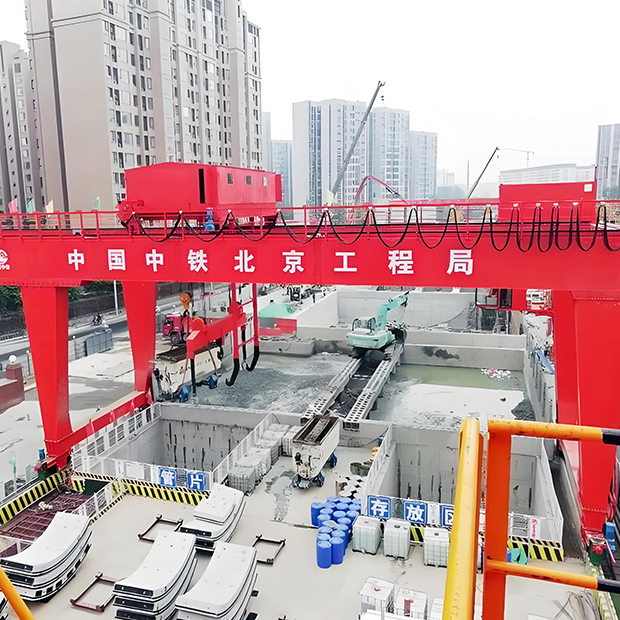
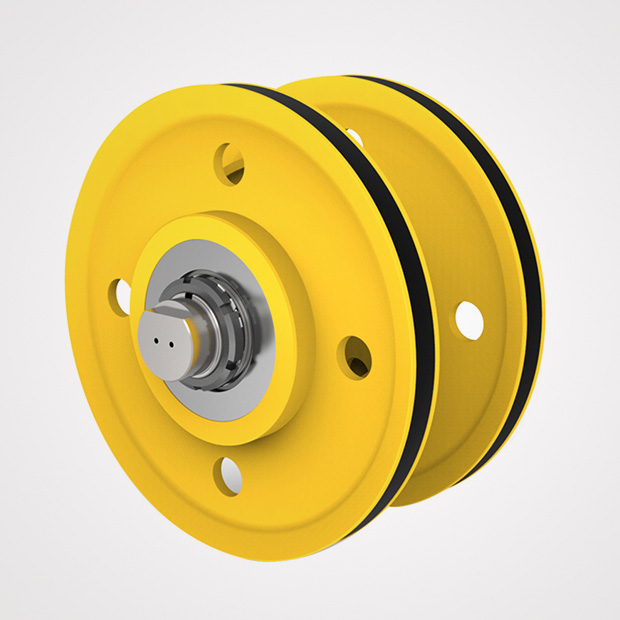
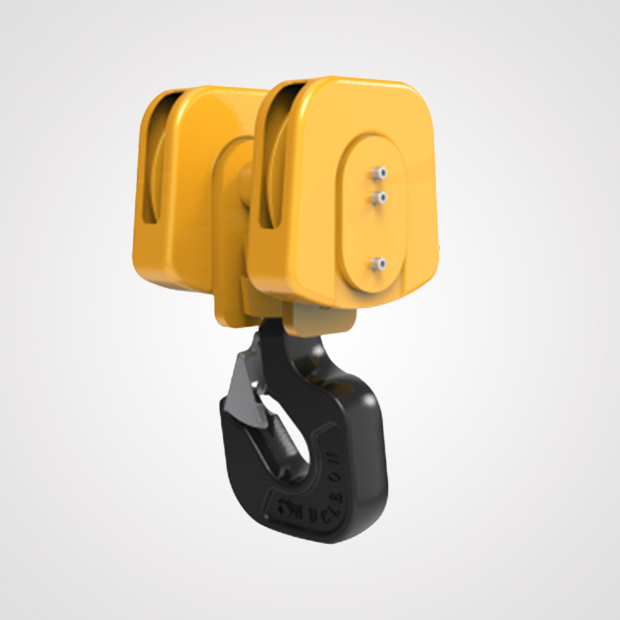
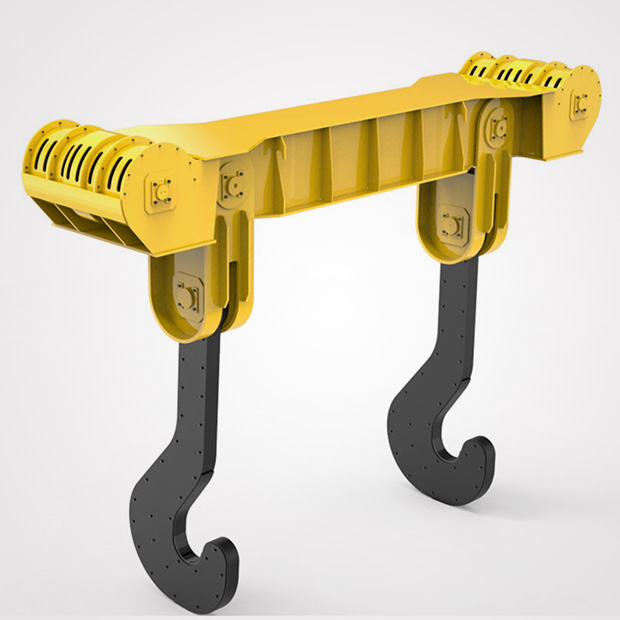
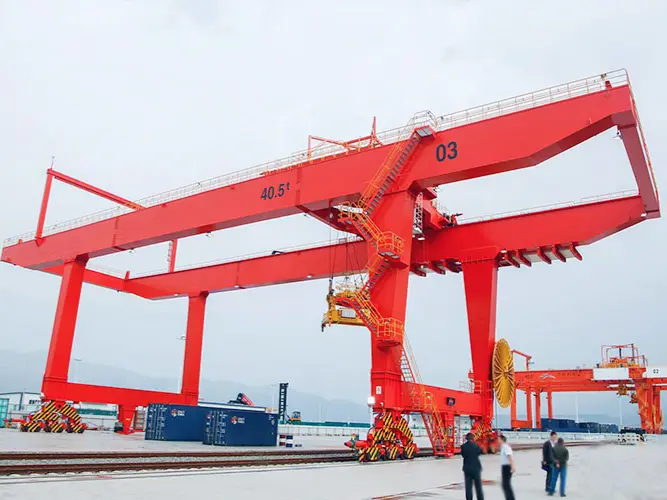
يشير مصطلح مناولة البضائع في الموانئ إلى العمليات والمعدات المستخدمة لتحميل وتفريغ ونقل وتخزين وإدارة البضائع في المحطات البحرية.
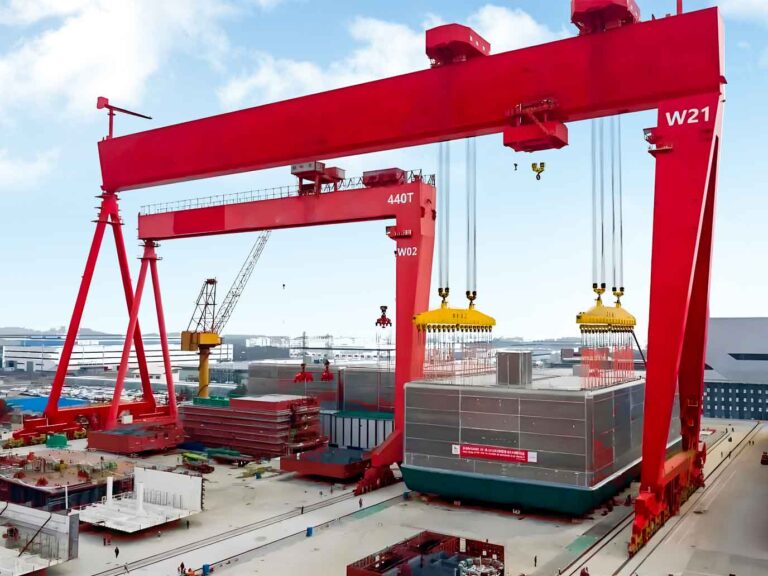
رافعة جسرية لبناء السفن هي نظام رفع ثقيل مصمم لأحواض بناء السفن لنقل وتجميع كتل السفن الكبيرة.