






Project Background
Yekaterinburg, capital of Russia's Sverdlovsk Oblast and a key node on the Trans-Siberian Railway, faced container handling bottlenecks in late 2025 as China-Europe Railway Express volumes surged. A major private logistics operator managing the facility's intermodal operations required equipment capable of operating reliably at -35°C to -40°C while meeting both Russian EAC certification and European CE safety standards.
The procurement specified three straddle carriers to replace aging equipment that could no longer maintain throughput requirements. The 4,000+ kilometer inland location added additional challenges: long-distance transport logistics and the need for equipment suitable for extreme continental climate.

3 Main Challenges During the Whole Process
- i. Climate Adaptability: The Ural region experiences long, unpredictable winters with temperatures plunging to -35°C to -40°C and frequent blizzards, demanding exceptional cold-start capability and structural resilience.
- ii. Stringent Compliance Thresholds: Equipment must strictly comply with EAC standards and align with EU CE safety requirements.
- iii. Complex Inland Logistics System: Yekaterinburg's deep inland location, over 4,000 kilometers from China's border ports, poses significant challenges for transportation and delivery timeliness.
Engineering Solutions for Extreme Cold Operation
Power System Adaptation
Cold-Start Capability
Cummins and Weichai engines with factory-installed block heaters and independent fuel/water separator heating systems prevent diesel wax formation, a major cold-start failure cause. The heating systems use auxiliary power for preheating.
Hydraulic System Protection
Low-temperature hydraulic oil (ISO VG 32, pour point -40°C) and temperature-resistant seal materials maintain system function. Hydraulic tank heaters prevent oil viscosity increase.
Structural Durability
Corrosion Protection
Road salt in Russian winters causes corrosion. Multi-layer protective coating systems (zinc-rich primer, epoxy intermediate, polyurethane topcoat) protect against salt spray and moisture, with over 250-micron dry film thickness on exposed members.
Material Selection
Structural steel stays tough at low temperatures. Electrical enclosures use cold-resistant plastics and gaskets flexible below -30°C to prevent seal failure and moisture infiltration.
Regulatory Compliance
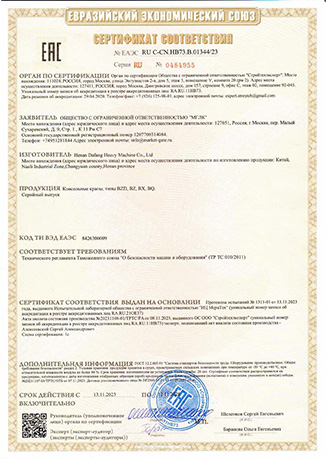
EAC Certification (Eurasian Conformity)
The equipment achieved GOST-EAC certification under TR CU 010/2011 (Technical Regulation on Machinery Safety) on initial submission. This required:
- Compliance documentation prepared in Russian
- Factory inspection by Russian certification body
- Brake system and emergency stop logic meeting European safety standards (EN 13135)
- Load testing and stability verification per GOST requirements
CE Marking Alignment
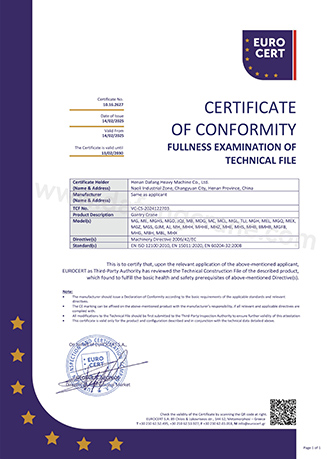
While not mandatory for Russian domestic use, CE conformity facilitated EAC certification by demonstrating compliance with ISO/EN machinery safety standards. The dual-certification approach supports equipment resale flexibility and operator confidence in safety systems.
Logistics and Installation
Long-Distance Transport
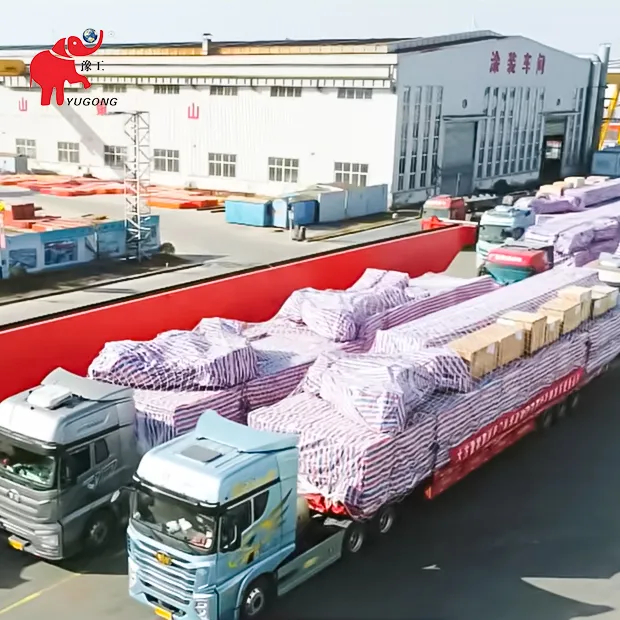
The 4,000+ kilometer overland route from Chinese manufacturing facilities to Yekaterinburg required specialized shipping preparation:
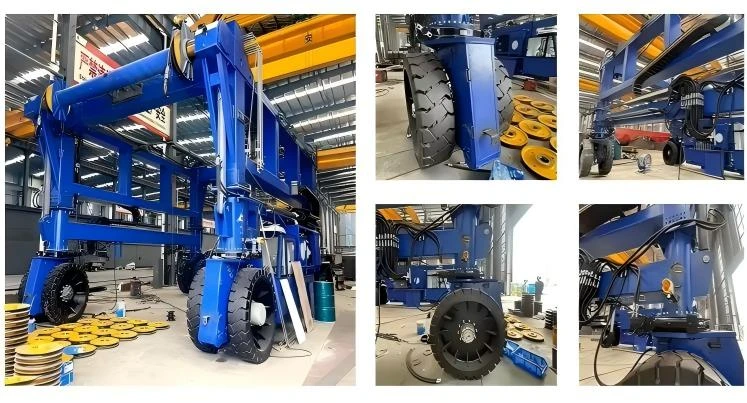
- Disassembly into four major modules (portal frame, chassis assembly, hydraulic/electrical systems, operator cabin)
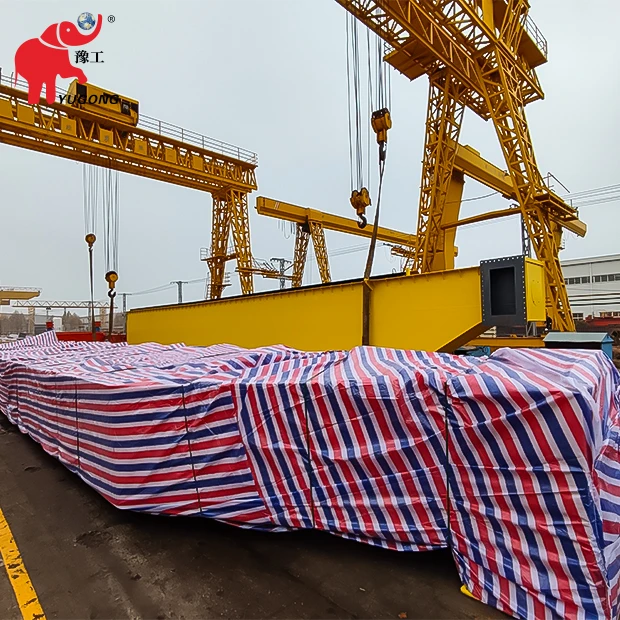
- Steel shipping frames providing rigid support during rail and truck transport
- Protective wrapping preventing moisture infiltration and surface corrosion during multi-week transit
On-Site Assembly
Local assembly and commissioning occurred under winter conditions. Factory technicians supervised structural reassembly, hydraulic system connection, and electrical integration. Cold-weather commissioning protocols included extended warm-up cycles and function testing at ambient temperature before full-load operation.
Operational Results
After three months of winter operation, Operations Director Alexander Volkov reported performance metrics.
Cold-Start Performance
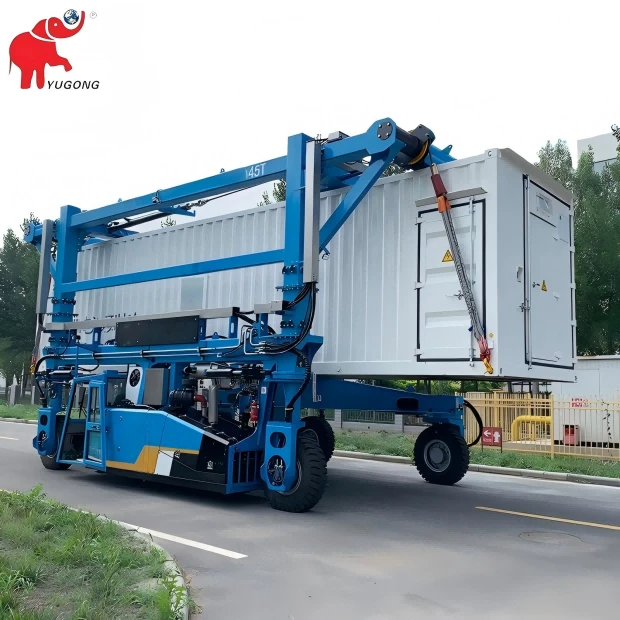
Equipment achieves operational readiness within minutes at -38°C ambient temperature. Hydraulic functions respond smoothly without lag, confirming effectiveness of heating systems and low-temperature hydraulic specifications.
Productivity Improvement
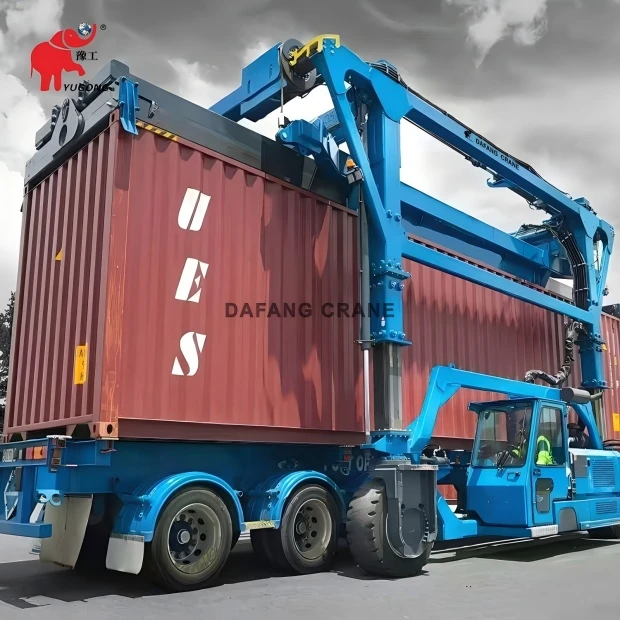
Double-stacking operations show consistent positioning accuracy, reducing container damage and improving yard density utilization.
Operational Precision
Double-stacking operations show consistent positioning accuracy, reducing container damage and improving yard density utilization.
Technical Takeaways for Extreme Climate Procurement
- Engine Preheating Is Non-Negotiable: Standard diesel engines without block heaters and fuel system protection will not start reliably below -25°C. Specify factory-installed heating systems instead of field retrofits.
- Hydraulic System Temperature Management: Low-temperature oil is not enough. Tank heaters and temperature-resistant seals are needed for reliable cylinder operation and seal integrity.
- Corrosion Protection Beyond Standard Specifications: Road salt exposure in winter requires coating systems exceeding standard industrial specs. Budget for enhanced protection or accept accelerated structural deterioration.
- Certification Preparation Timeline: EAC certification for complex machinery takes 8-12 weeks from documentation submission. Engage certification bodies early in the design process to identify compliance gaps before manufacturing.
- Cold-Weather Commissioning: Install during warmer months if possible, or budget extended commissioning time for cold-weather startup and system verification.
Application Relevance
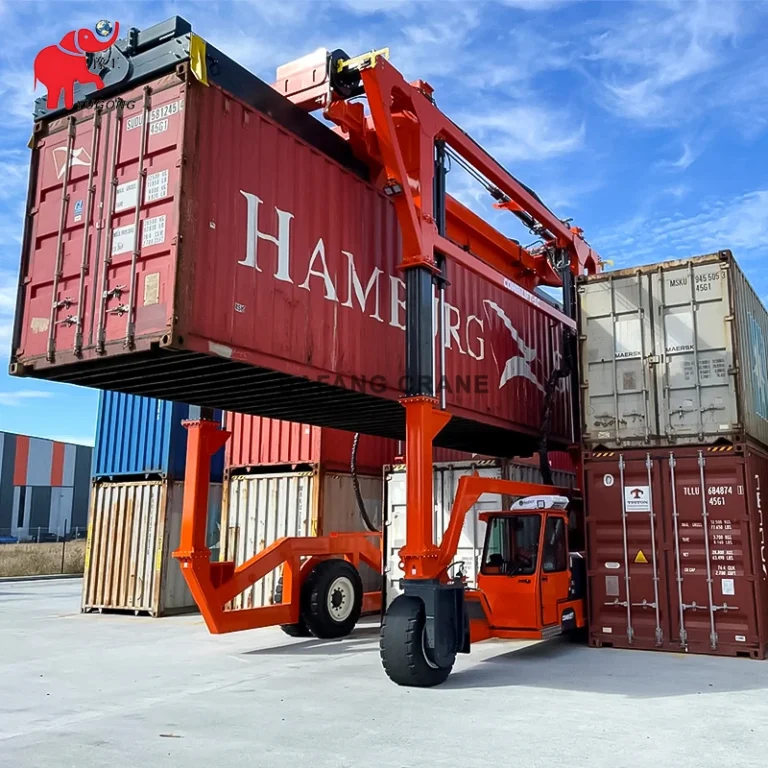
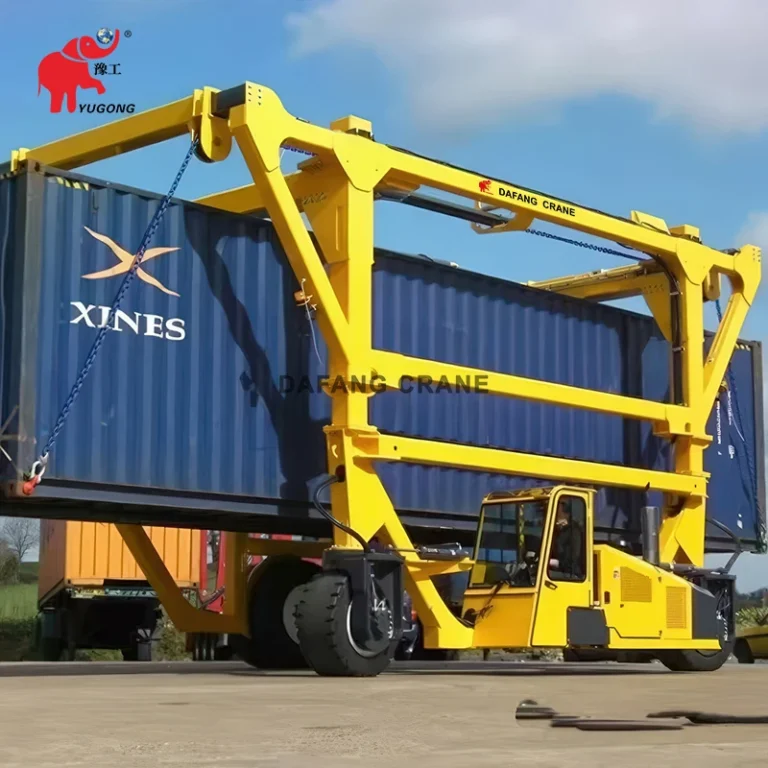
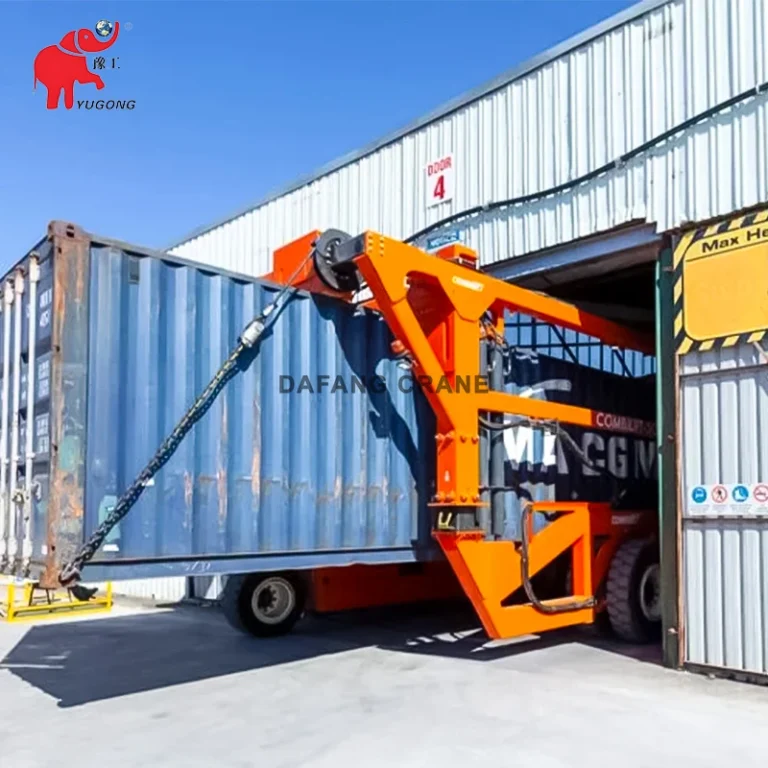
This deployment shows engineering requirements for container handling equipment in extreme continental climates—relevant for facilities across Russia, Kazakhstan, Mongolia, and northern China where winter temperatures often drop below -30°C.
Procurement teams in similar environments should specify cold-climate adaptations at tender stage instead of assuming standard equipment will work well. The 15% productivity improvement in this installation justifies the extra cost of extreme-cold specifications through less downtime and longer operating seasons.
Henan Dafang Heavy Machinery Co., Ltd. offers cold-climate equipment engineering for container handling and heavy lifting in extreme environments. Contact our technical team to discuss your operational requirements and environmental conditions.
Project Type: Real installation, Yekaterinburg, Russia, 2025
Equipment: 3x Straddle Carriers, Cold-Climate Specification
Certifications: EAC (TR CU 010/2011), CE Marking