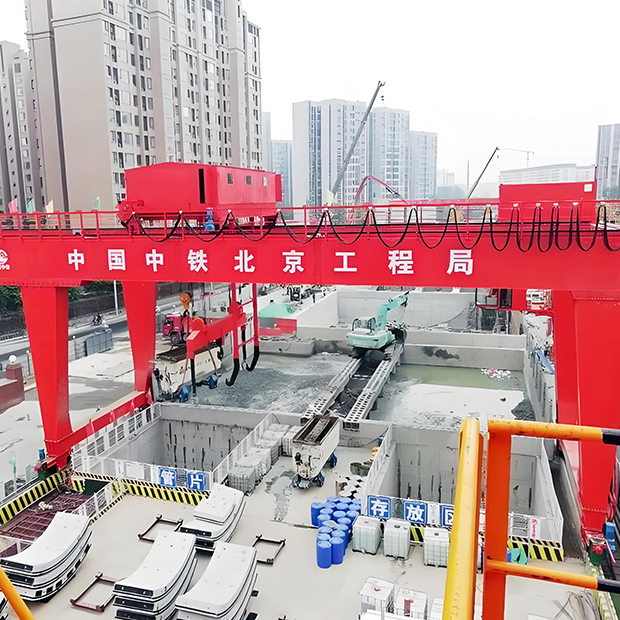







Ponts roulants are the backbone of material handling in steel plants and industrial workshops. They move heavy loads efficiently, keep production lines running, and reduce the physical demands placed on workers in demanding manufacturing environments. For steel mills, fabrication shops, and heavy machinery plants, a well-specified overhead crane system is not optional infrastructure — it is a production-critical asset.
Choosing the right overhead crane manufacturer shapes everything that follows: equipment reliability, maintenance burden, operational safety, and total cost of ownership across a 20-year service life. The wrong supplier creates problems that a competitive purchase price cannot offset. A misspecified crane, inadequate after-sales support, or a manufacturer without genuine steel industry experience adds risk to every production shift.
This guide covers what procurement managers, plant engineers, and EPC contractors need to evaluate before selecting a crane supplier — from equipment types and specifications to manufacturer capability, certifications, and common procurement mistakes.
Table des matières
What Is an Overhead Crane
An overhead crane is a type of industrial lifting equipment that moves loads horizontally along an elevated runway installed at or near ceiling level within a facility. Unlike mobile cranes or forklifts, overhead cranes operate within a fixed working envelope defined by the runway span and length — freeing the floor area below for production, storage, or vehicle movement.
Obtenir un devis gratuit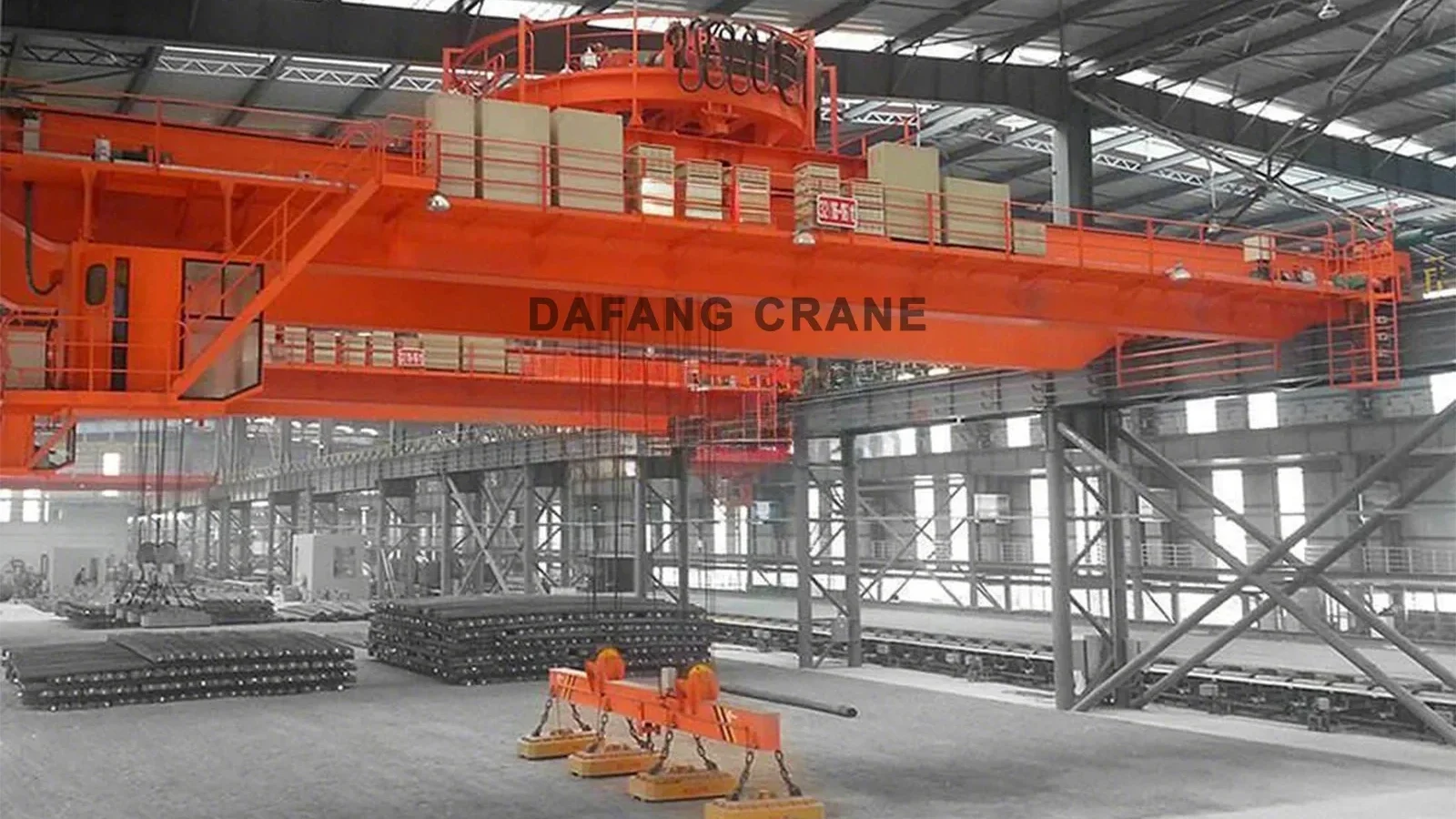
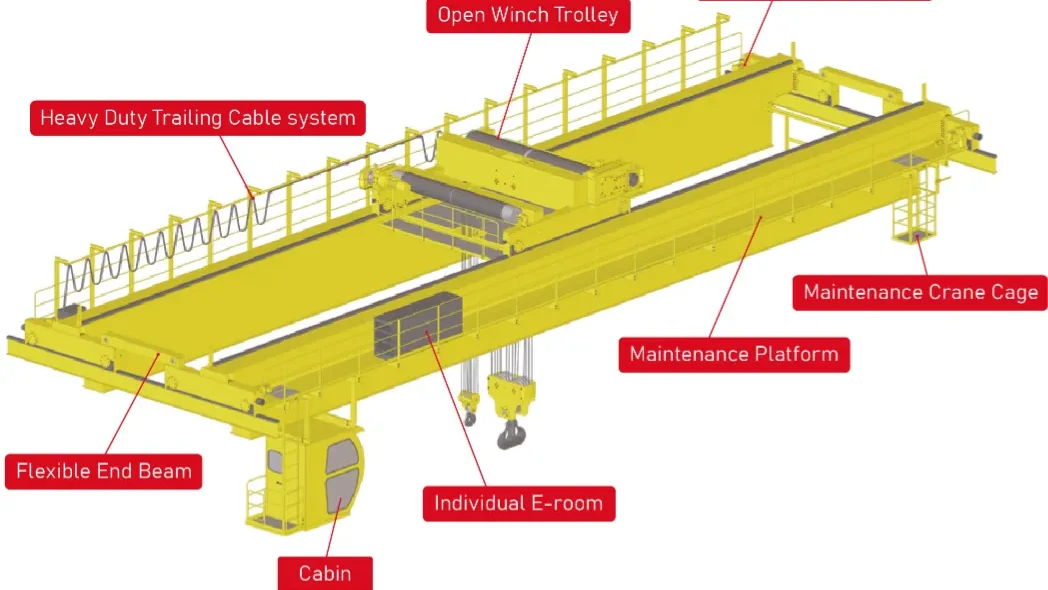
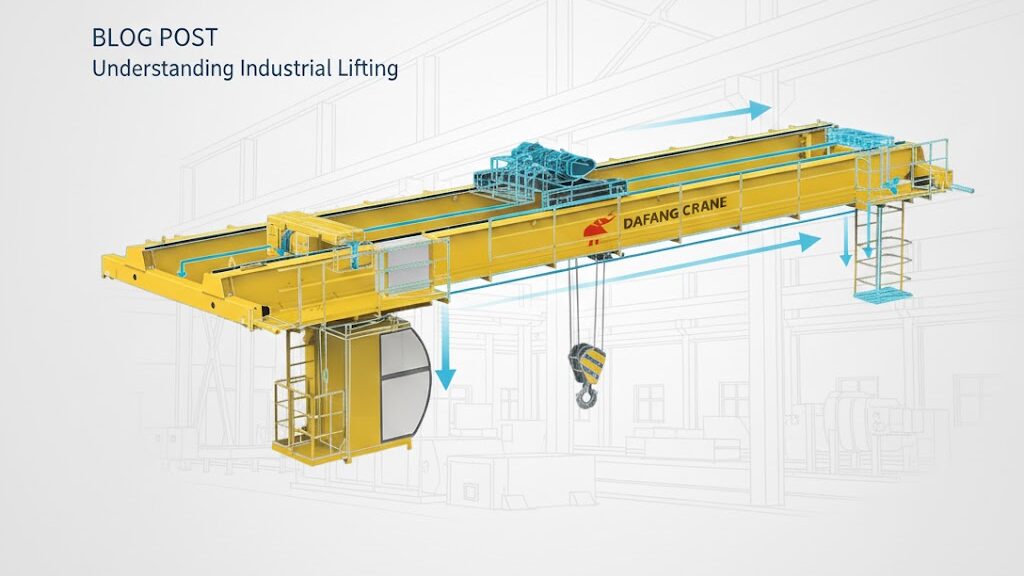
Bridge Girder
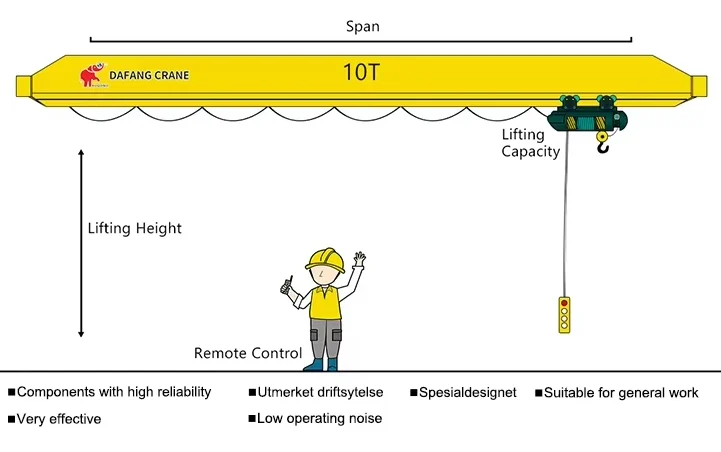
The bridge girder is the primary structural beam that spans the width of the facility between runway rails. Single girder designs use one main beam; double girder designs use two parallel beams for greater rigidity, higher capacity, and larger span capability.
Camions d'extrémité
End trucks are the wheel assemblies at each end of the bridge that run along the runway rails. They carry the entire load of the bridge, hoist, and lifted load. End truck design — wheel diameter, axle configuration, and motor mounting — directly affects runway loading and long-term structural wear.
Hoist and Trolley
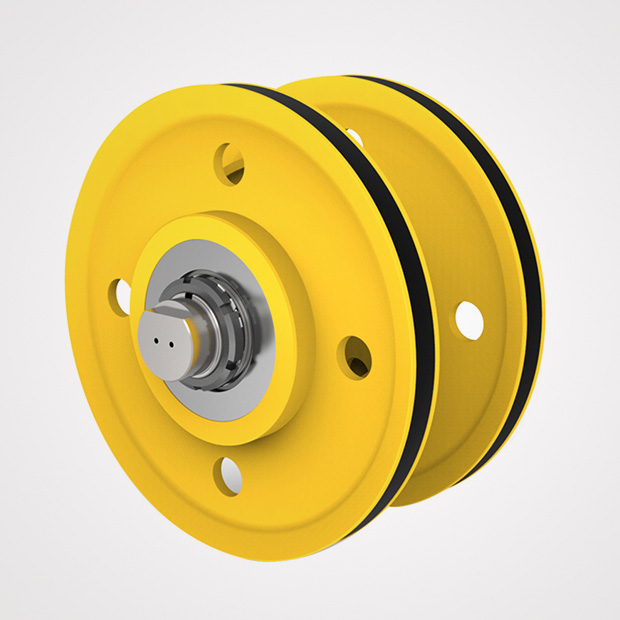
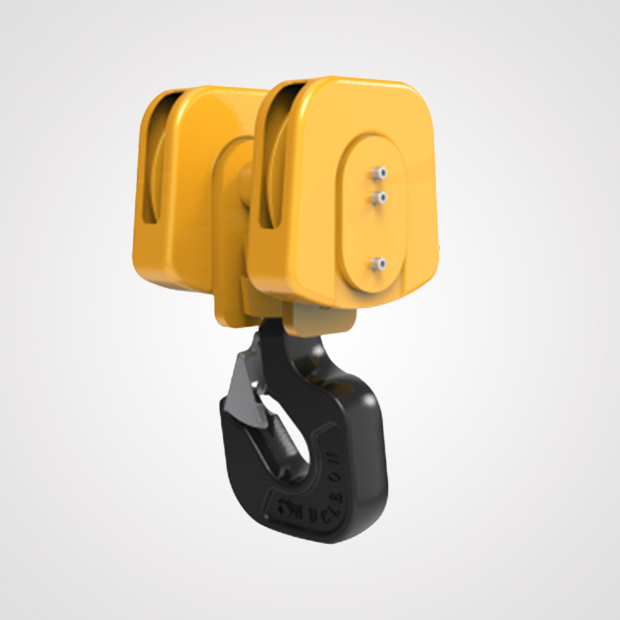
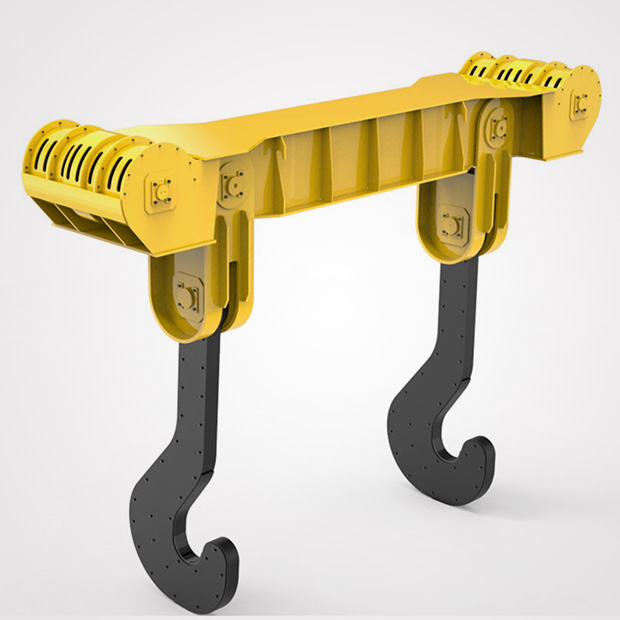
The hoist is the lifting mechanism — wire rope drum, motor, and hook block assembly — mounted on a trolley that travels laterally along the bridge girder. The combination of bridge travel (longitudinal) and trolley travel (lateral) allows the hook to reach any point within the crane's working area.
Crane Runway
The runway consists of rails, runway beams, and support columns or brackets mounted to the building structure. Runway design must account for crane weight, lifted load, dynamic forces during acceleration and braking, and long-term fatigue loading from repeated operating cycles.
Système de contrôle électrique
The electrical system covers power supply, drive motors, variable frequency drives (VFDs), control pendants or radio remote controls, and safety interlocks. In modern industrial overhead cranes, the control system also integrates load monitoring, overload protection, end-of-travel limits, and — increasingly — data logging and remote diagnostics.
Why Steel Plants and Workshops Need Overhead Cranes
Steel manufacturing and heavy industrial workshops impose material handling demands that ground-based equipment cannot efficiently address. The scale, weight, and temperature of materials involved — combined with continuous production cycles — make the overhead crane system the most practical solution across most steel plant applications.
Heavy Material Handling
Steel billets, slabs, coils, plates, and structural sections are heavy, bulky, and difficult to handle safely with ground-level equipment. Overhead cranes lift loads from a few tons to several hundred tons with consistent, controllable precision. For steel mills, no alternative technology matches the capacity range and operational flexibility of a bridge crane system.
Continuous Production Operations
Steel plants operate continuously — often across three shifts per day, 365 days per year. The overhead crane system must maintain the same performance reliability across all shifts without creating production bottlenecks. This continuous operating profile directly determines the duty classification requirement and the structural design life that the equipment must be specified to achieve.
High Duty Cycles
Melt shop cranes, charging cranes, and coil handling cranes operate at cycle frequencies that far exceed general industrial crane applications. ISO 4301 duty classifications M7 and M8 — the highest intensity categories — are standard for core steel production crane positions. Specifying lower duty classes to reduce upfront cost produces predictable outcomes: accelerated component wear and unplanned production downtime.
Precision Positioning
Modern steel production requires accurate load placement. Rolling mill entry guides, coil mandrels, and continuous casting equipment all require hook positioning accuracy that manual rigging cannot consistently achieve. Variable frequency drive control on hoist, bridge, and trolley motions — combined with anti-sway systems — delivers the positioning accuracy that precision steel production demands.
Improved Worker Safety
Overhead cranes remove heavy loads from the work floor, reduce manual handling requirements, and allow controlled, predictable load movement through defined travel paths. In steel plants where ambient temperatures, moving vehicles, and heavy material create multiple concurrent hazards, keeping loads elevated and controlled is a fundamental safety improvement over ground-level alternatives.
Types of Overhead Cranes Used in Steel Plants and Workshops
Pont roulant monopoutre
ponts roulants monopoutre use one main bridge beam with an under-hung hoist trolley running on the bottom flange. They are the standard choice for workshops and light industrial facilities with capacity requirements typically ranging from 1 to 20 tons and spans up to approximately 28 meters. Their lighter weight reduces runway structural requirements, and their simpler design generally produces lower capital and maintenance costs than double girder configurations. Single girder cranes are well suited to fabrication shops, assembly facilities, maintenance workshops, and light manufacturing environments.
Obtenir un devis gratuit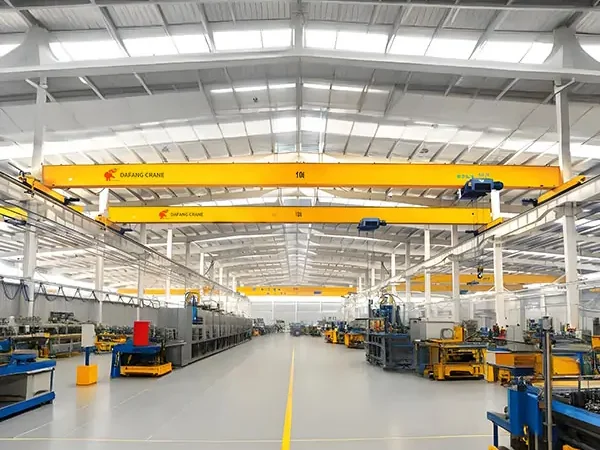
Pont roulant bipoutre
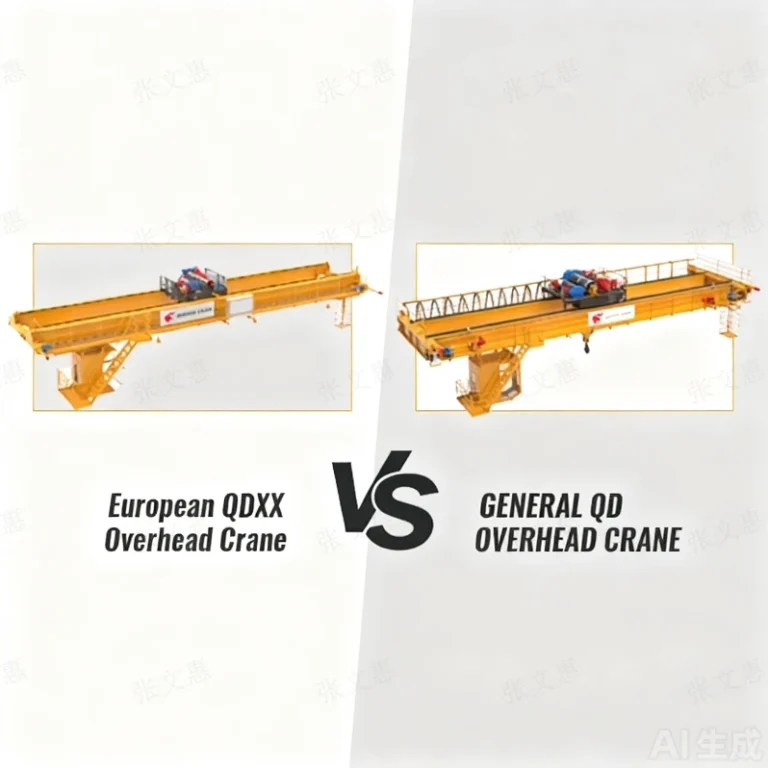
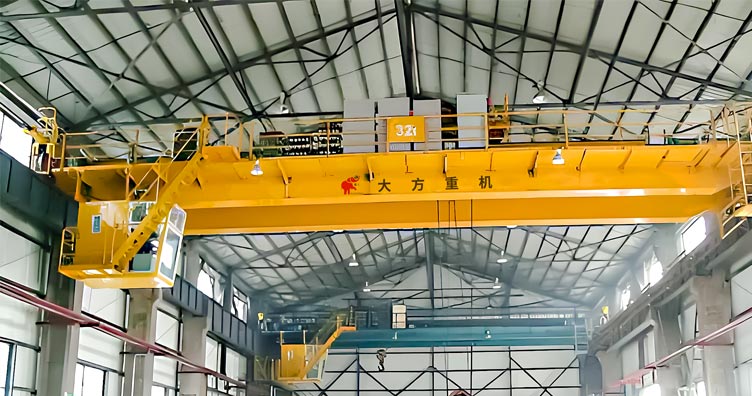
ponts roulants à double poutre use two parallel main beams with a hoist trolley running on top of the girders. This configuration provides higher rigidity, greater capacity range — from 10 tons to over 500 tons — larger span capability, and greater hook height relative to building height than single girder designs. Double girder cranes are the standard for steel plant applications: they handle the heavy loads, wide spans, and high duty cycles that steel mill environments impose. The additional hook height available compared to single girder designs is also operationally significant in facilities where load height is a constraint.
Obtenir un devis gratuit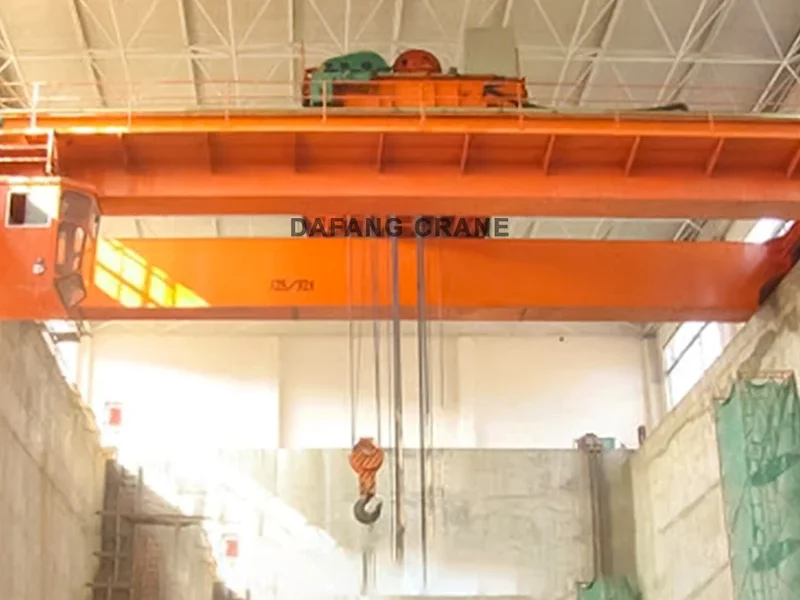
Metallurgical Overhead Crane
Metallurgical cranes are specialized double girder bridge cranes designed for handling molten metal — ladles, torpedo cars, and liquid steel vessels. They operate at the highest duty classification (M8 under ISO 4301) and incorporate redundant hoisting mechanisms, independent braking systems on each hoist, and heat-shielded structural and electrical components. For ladle crane applications, dual independent hoist circuits that maintain load control under single-circuit failure are a baseline safety requirement, not an optional feature. These cranes must comply with EN 13001 and applicable steel industry safety standards for molten metal handling.
Obtenir un devis gratuit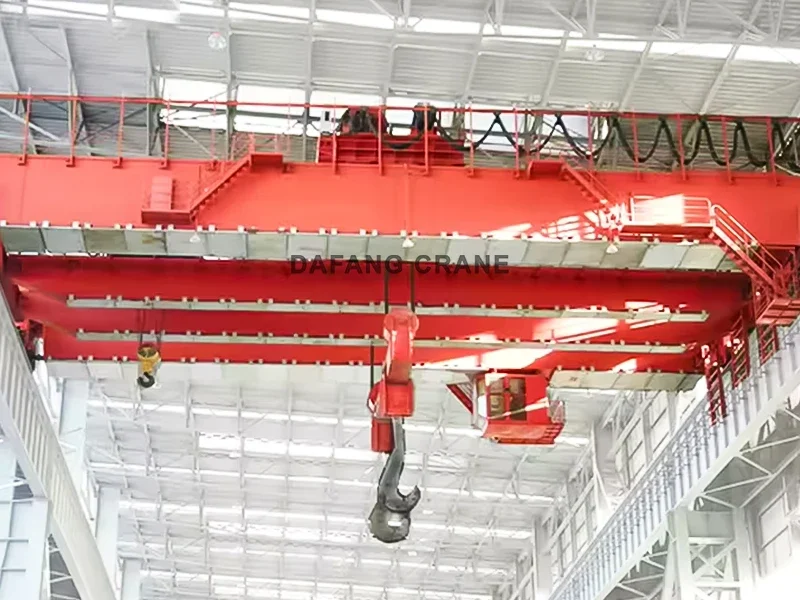
Grab Bucket Overhead Crane
Grab bucket cranes are configured with a hydraulic or mechanical grab attachment rather than a hook. They handle bulk materials — scrap metal, ore, coal, slag — that cannot be efficiently managed with conventional rigging. In steel plants, scrap yard cranes and raw material handling systems commonly use grab bucket configurations. The grab mechanism adds weight and complexity to the hoist system, which must be factored into the structural and duty cycle specification.
Obtenir un devis gratuit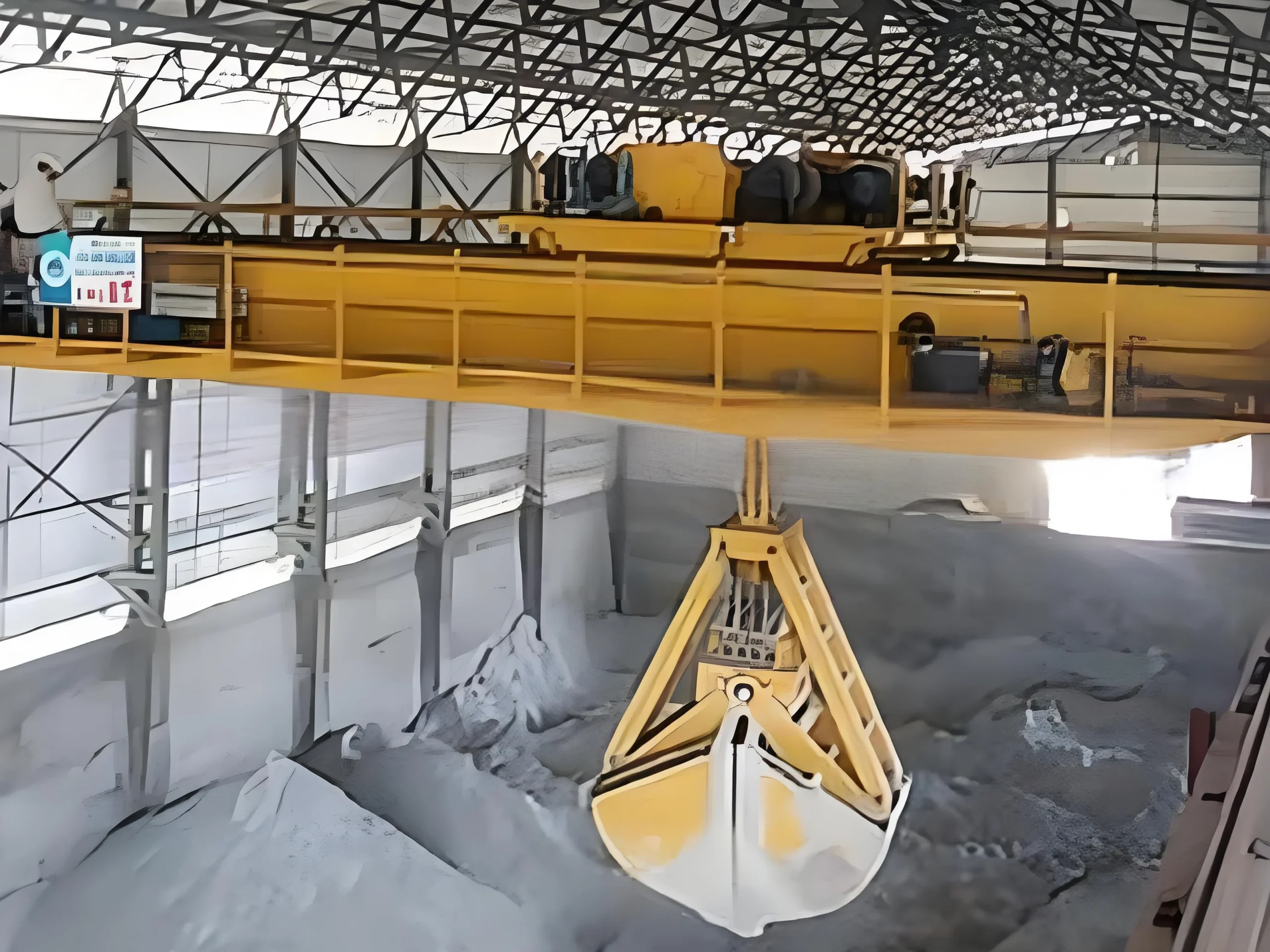
Electromagnetic Overhead Crane
Electromagnetic cranes use a lifting magnet — powered by the crane's electrical system — in place of or in addition to a hook. They are the standard solution for steel plate handling, billet and bar transport, and coil handling in steel mills and service centers. The crane's electrical system must supply stable DC power to the magnet under dynamic load conditions. Magnet failure in operation is a safety-critical event, so electromagnetic crane designs typically include backup power systems that maintain magnetization during power interruptions.
Obtenir un devis gratuit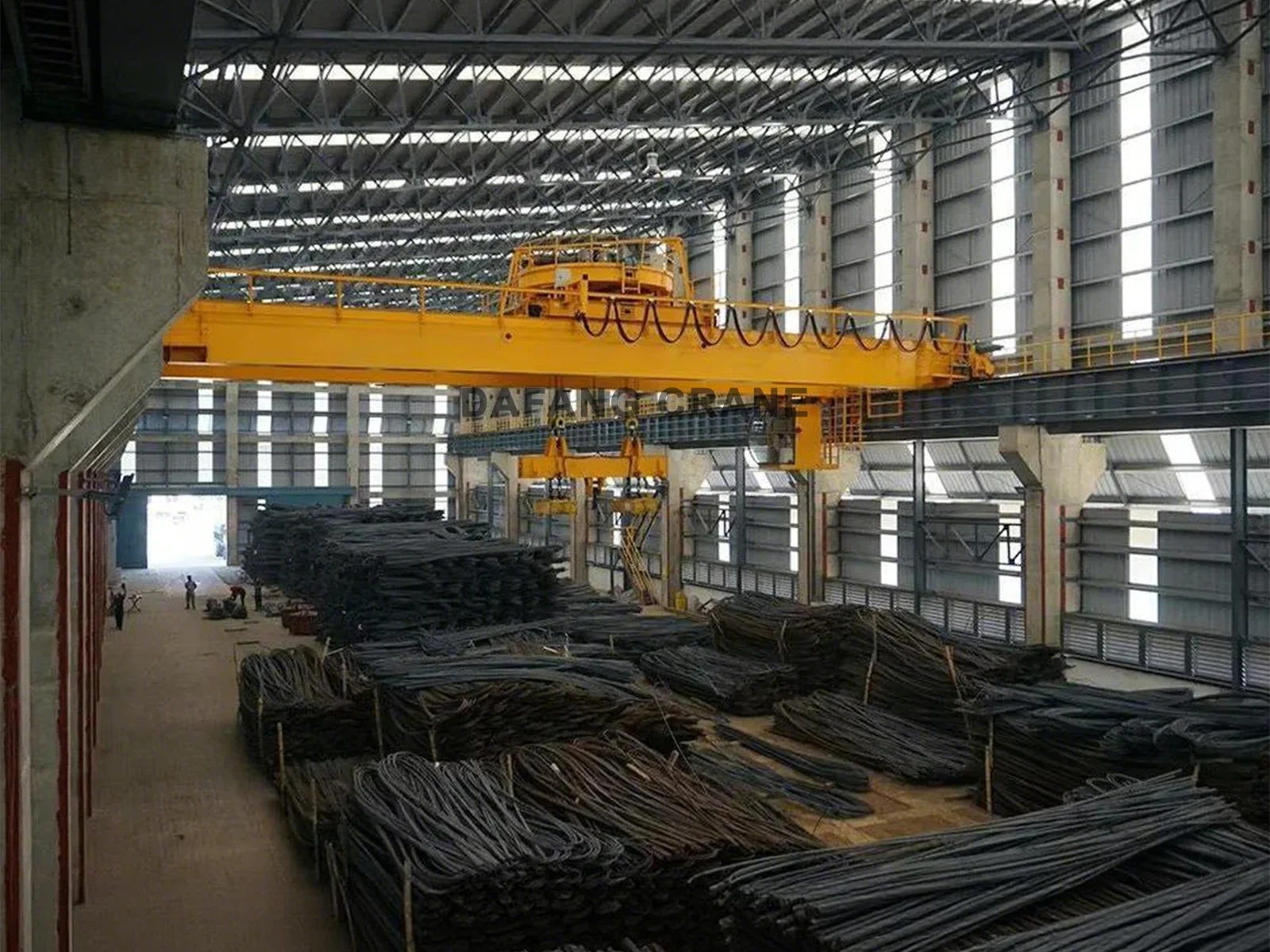
What Makes a Reliable Overhead Crane Manufacturer
Engineering and Design Capability
A credible overhead crane manufacturer maintains an in-house engineering team capable of structural analysis, FEM (finite element method) calculations, and custom solution development. Standard catalogue cranes meet common requirements. Steel plant cranes with non-standard spans, unusual load profiles, high-temperature environments, or complex runway layouts require engineering input that a trading company or catalogue supplier cannot provide. Request evidence of engineering capability — calculation examples, project drawings, or reference installations — not just product specifications.
Installations de fabrication
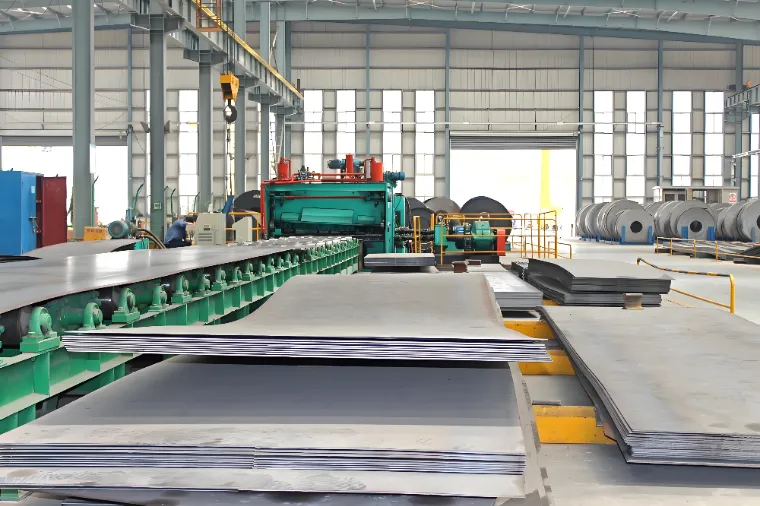
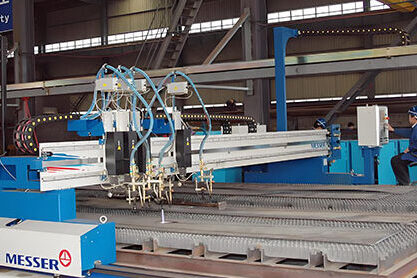
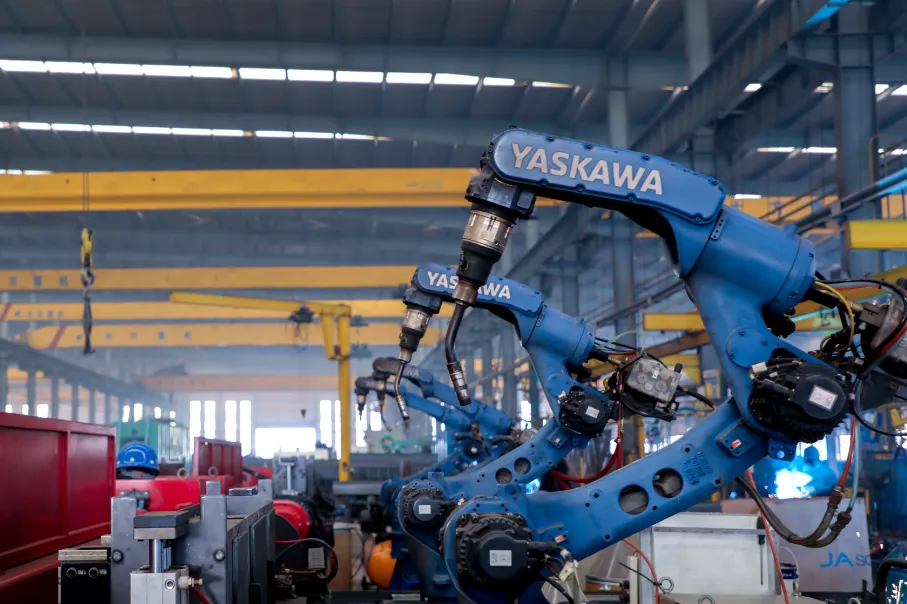
The manufacturer's production facility determines what they can actually build versus what they can claim. Key indicators of genuine manufacturing capability include dedicated fabrication workshops with overhead crane infrastructure, CNC machining capability for precision components, certified welding processes and qualified welders, and structured assembly and pre-delivery testing procedures. A factory visit — or third-party inspection service if distance makes direct visits impractical — provides more reliable information than any supplier questionnaire.
Quality Control System
Quality control in crane manufacturing covers incoming material inspection for steel plates and structural sections, weld inspection including visual and non-destructive testing (NDT), dimensional verification against engineering drawings, and factory load testing before shipment. Request the manufacturer's quality plan for your specific project and confirm that load test certificates and material test reports are included in the standard documentation package.
Industry Experience
Steel mill crane applications are more demanding than general industrial crane work. A manufacturer with documented experience in steel plant installations — ladle cranes, charging cranes, coil handling systems — brings operational knowledge that reduces specification risk. Request a reference list of comparable installations and contact those references directly. Ask specifically about post-delivery support, spare parts availability, and whether the equipment has performed to specification in actual steel plant operation.
Custom Engineering Services
Steel plant crane requirements regularly fall outside standard catalogue configurations. Non-standard spans, unusual lifting heights, specialized attachments, high-temperature operating environments, and complex runway integration requirements all demand custom engineering. Leading overhead crane manufacturers maintain the engineering capability and manufacturing flexibility to develop solutions for non-standard requirements — rather than adapting the nearest standard model and hoping it fits.
Certifications and Standards to Look For
ISO 9001
ISO 9001 certification confirms that the manufacturer operates a documented quality management system covering design, manufacturing, and delivery processes. It is a baseline indicator of process discipline — not a guarantee of product quality, but a meaningful signal of organizational commitment to consistent standards.
CE Certification
Marquage CE under the Machinery Directive 2006/42/EC is mandatory for overhead cranes sold in European Union markets. It requires a Declaration of Conformity, technical file, and risk assessment covering all operating modes. For international projects outside the EU, CE certification is widely used as a proxy quality indicator even where it is not legally required.
FEM Standards
Le Fédération Européenne de la Manutention publishes technical standards for crane design and mechanism classification, including FEM 9.511 (mechanism groups) and related structural design guidance. FEM compliance is a standard reference in European crane engineering and provides a technically rigorous framework for duty classification and design life calculation.
ISO 14001 and ISO 45001
ISO 14001 (environmental management) and ISO 45001 (occupational health and safety management) certifications indicate that the manufacturer manages production processes with attention to environmental and worker safety outcomes. For procurement teams with corporate sustainability requirements, these certifications provide documentary evidence of supplier commitment beyond product quality alone.
How Overhead Cranes Improve Steel Plant Productivity
Faster Material Flow
An overhead crane system moves material through the production sequence — from raw material receipt through processing to finished product dispatch — without the congestion, speed limitations, or floor space requirements of ground-level handling equipment. In steel mills where throughput is measured in tonnes per hour, crane cycle time directly affects production output.
Reduced Production Bottlenecks
A single undersized or poorly specified crane in a critical production position creates a bottleneck that constrains the entire facility's output. Correct specification — capacity, speed, duty cycle — ensures the crane system matches the production rate the facility is designed to achieve, rather than limiting it.
Improved Safety
Controlled, elevated load movement reduces the intersection between heavy material and workers on the production floor. Overhead crane systems with anti-sway control, load monitoring, and precise speed control further reduce the risk of load instability events. In steel plants where the consequences of a load incident are severe, these safety improvements are operationally significant.
Reduced Labor Requirements
Crane-assisted material handling reduces the manual labor required for material movement and positioning tasks. In high-wage markets, this labor efficiency directly affects operating cost. In all markets, it reduces the number of workers exposed to heavy material handling hazards.
Increased Equipment Utilization
Overhead crane systems with variable frequency drive control, anti-sway systems, and high travel speeds reduce cycle times compared to older constant-speed designs. Faster cycles mean higher throughput from the same infrastructure — improving the productivity return on the crane system investment.
Customization Options Offered by Leading Manufacturers
Lifting capacity customization. From 1-ton workshop hoists to 500-ton metallurgical cranes, leading manufacturers engineer to specified capacity rather than constraining buyers to catalogue options.
Span customization. Span is defined by the facility's runway rail spacing, which varies with building design. Experienced manufacturers work from facility dimensions — not from standard span tables.
Hoist selection. Wire rope hoist, chain hoist, or custom hoist configurations are selected based on capacity, lifting height, duty cycle, and environmental conditions.
Automation packages. Automated positioning, pre-programmed travel paths, and anti-sway systems improve cycle time and positioning accuracy in high-throughput applications.
Remote control systems. Radio remote control is standard on modern industrial overhead cranes, providing operator flexibility and improved safety positioning during critical lifts.
Smart monitoring solutions. Load monitoring, cycle counting, structural health sensors, and remote diagnostics support predictive maintenance and operational data collection.
High-temperature adaptation. Heat-shielded electrical systems, high-temperature wire rope lubrication, thermal insulation on control panels, and heat-resistant coatings for operation in foundry, forge, and melt shop environments.
Dust and corrosion protection. Sealed electrical enclosures, corrosion-resistant coatings, and enhanced bearing protection for facilities with aggressive dust, humidity, or chemical exposure.
Overhead Crane Manufacturer Selection Checklist
| Evaluation Item | Why It Matters |
|---|---|
| Manufacturing experience | Steel mill applications require industry-specific knowledge, not general crane experience |
| Engineering team capability | Custom solutions require genuine in-house engineering, not catalogue selection |
| Certifications (ISO, CE, FEM) | Confirms quality system and design standard compliance |
| Project references | Verifiable installed base in comparable applications reduces selection risk |
| Lead time commitment | Phase-by-phase schedule protects project timelines |
| Spare parts support | Parts availability over 20-year service life affects total cost of ownership |
| Installation and commissioning | Turnkey capability reduces coordination risk on complex projects |
| Warranty coverage | Terms, duration, and claims process should be confirmed before order placement |
| After-sales service network | Local or regional service capability reduces downtime after commissioning |
| Documentation package | Drawings, calculations, test certificates, and manuals are contractual deliverables |
Common Mistakes When Choosing a Crane Supplier
- Focusing only on purchase price. The lowest-priced quotation often reflects reduced structural specification, lighter-duty components, or limited after-sales support capability. Total cost of ownership — including maintenance, spare parts, downtime, and service support over 20 years — is the correct basis for supplier comparison.
- Ignoring duty classification. Selecting M5 duty class for an application that demands M7 is a specification error with predictable consequences: accelerated wear, premature component failure, and unplanned production downtime. Base duty classification on actual operating data — shift hours, cycle frequency, load distribution — not on estimates or catalogue defaults.
- Overlooking after-sales support. A crane is a 20-year asset. The manufacturer's ability to supply spare parts, provide service engineers, and support troubleshooting after commissioning matters as much as the equipment specification itself. Confirm service infrastructure before placing an order.
- Choosing inadequate capacity. Operating consistently at or above 90% of rated capacity accelerates wear across all structural and mechanical systems. A 20–30% capacity buffer above the maximum expected load is standard engineering practice — not conservatism.
- Failing to assess manufacturer experience. A manufacturer without documented experience in steel plant crane applications does not bring the operational knowledge needed to specify, engineer, and deliver equipment that performs reliably in demanding metallurgical environments.
- Accepting incomplete documentation. Certified drawings, structural calculations, load test certificates, material test reports, and operation manuals are contractual deliverables — not optional extras. Incomplete documentation creates compliance and maintenance problems that persist for the equipment's entire service life.
Why Global Buyers Choose Chinese Overhead Crane Manufacturers
China's overhead crane manufacturing sector has developed significant scale, technical capability, and international project experience over the past two decades. Several factors explain the growing preference among global buyers:
- Manufacturing scale. Major Chinese crane manufacturers operate large-scale dedicated production facilities with the capacity to handle multiple large projects concurrently — a relevant consideration for EPC contractors managing parallel project timelines.
- Customization capability. Established Chinese bridge crane manufacturers maintain engineering teams capable of developing solutions for non-standard specifications — not just catalogue variations. This engineering depth supports complex steel plant and industrial workshop projects that standard catalogue suppliers cannot address.
- Competitive pricing. Chinese manufacturing cost structures produce price points that are consistently competitive with European and North American alternatives for equivalent specification equipment. For buyers with defined specification requirements, this price competitiveness can be evaluated against other supplier criteria transparently.
- International certifications. Leading Chinese crane manufacturers hold CE certification, ISO 9001 quality management certification, and FEM-compliant design systems. These certifications provide an internationally recognized basis for quality assurance assessment.
- Global project experience. Established Chinese crane suppliers have delivered steel mill crane systems, workshop overhead cranes, and industrial lifting solutions across Southeast Asia, the Middle East, Africa, and Europe. This export experience brings familiarity with international project logistics, documentation requirements, and installation support that newer market entrants cannot match.
- Buyers should evaluate Chinese manufacturers using the same structured criteria applied to any supplier: engineering capability, manufacturing infrastructure, project references, certification status, and after-sales support availability in the project location.
Conclusion and Next Steps
Overhead cranes are essential production infrastructure in steel plants and industrial workshops. The manufacturer you select determines equipment reliability, operational safety, maintenance requirements, and total cost of ownership across the equipment's service life. A technically capable supplier with genuine steel industry experience, verified manufacturing infrastructure, and confirmed after-sales support delivers measurably better long-term value than a price-competitive alternative without these capabilities.
The procurement process works best when specification is completed before supplier comparison begins. Define your capacity requirement with a realistic buffer. Confirm duty classification against actual operating data. Identify customization requirements — span, environment, attachments, automation — before issuing your RFQ. Then evaluate suppliers against a consistent set of criteria that covers engineering capability, manufacturing infrastructure, certifications, references, and lifecycle support.
Ready to define your overhead crane specification?
Contact our engineering team to discuss your steel plant or workshop lifting requirements. We provide customized overhead crane systems — from single girder workshop cranes to heavy-duty double girder steel mill solutions — with full engineering support from initial specification through to commissioning and lifecycle maintenance.

FAQ
Q1: What is the difference between a single girder and double girder overhead crane?
Single girder overhead cranes use one main bridge beam with an under-hung hoist. They suit lighter applications — typically 1 to 20 tons — where lower capital cost and reduced runway loading are priorities. Double girder cranes use two parallel bridge beams with a top-running hoist trolley, providing higher capacity (up to 500 tons and above), greater span capability, and more hook height relative to building clearance. For steel plant applications — where loads are heavy, duty cycles are intensive, and spans are large — double girder configurations are the standard choice. Single girder cranes are appropriate for fabrication shops, maintenance workshops, and light manufacturing facilities.
Q2: How do I determine the correct duty classification for my overhead crane?
Duty classification is determined by two inputs: the total number of working cycles over the crane's design life, and the load spectrum — how actual lifted loads are distributed relative to maximum rated capacity. ISO 4301-1 provides classification tables (M1 through M8) based on these variables; CMAA uses an A through F scale covering equivalent intensity ranges. In practice, start with your shift structure — operating hours per day — and estimate cycle frequency. Then assess your typical load as a percentage of maximum capacity. Steel plant core production cranes almost always fall in the M6 to M8 range. If uncertain, consult your crane supplier's engineering team with operational data rather than estimates.
Q3: What certifications should an overhead crane manufacturer hold?
ISO 9001 quality management certification confirms the manufacturer operates a documented production quality system. CE certification (EU Machinery Directive 2006/42/EC) is mandatory for European market cranes and widely used as a quality reference internationally. FEM standard compliance confirms adherence to European crane design and mechanism classification requirements. CMAA compliance is the relevant standard for North American projects. For steel plant applications, confirm that the manufacturer's certifications cover the specific crane types being procured — metallurgical crane certification requirements differ from those for standard industrial bridge cranes.
Q4: How long does an overhead crane installation take from order to commissioning?
Lead time depends on crane type, capacity, and customization level. Standard workshop overhead cranes in the 5–20 ton range typically require 8–14 weeks from order confirmation to factory completion. Heavy-duty double girder steel mill cranes with custom configurations commonly require 16–28 weeks. International shipping adds 4–8 weeks depending on destination. Site installation and commissioning add 1–4 weeks depending on crane complexity and runway condition. Request a phase-by-phase delivery schedule — covering engineering approval, procurement, fabrication, testing, and shipping — from each shortlisted supplier rather than relying on a single total estimate.
Q5: What documentation should an overhead crane manufacturer provide?
Standard documentation from a credible manufacturer includes certified structural and mechanical drawings, structural calculation summary, motor and drive selection documentation, electrical schematics, factory load test certificate, material test reports for structural steel, operation and maintenance manual, and a Declaration of Conformity (CE) or equivalent compliance document for your market. For metallurgical crane applications, a safety analysis covering single-failure scenarios for critical lifting systems is also required. Confirm documentation deliverables in your purchase agreement before order placement — adding documentation after delivery is significantly more complex and costly.