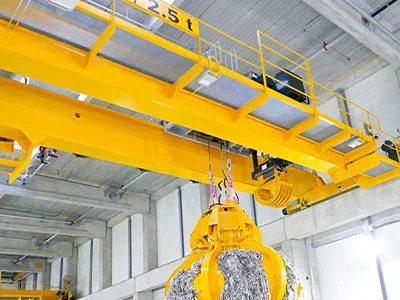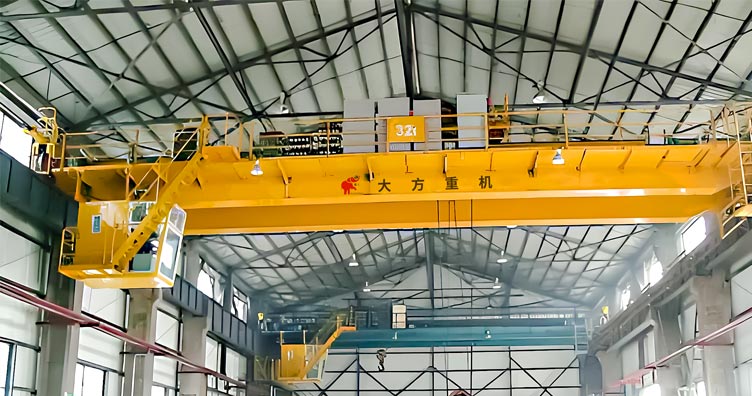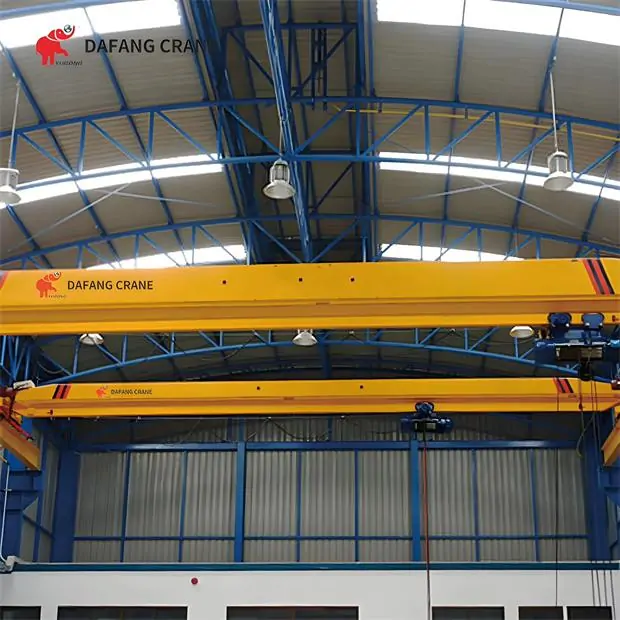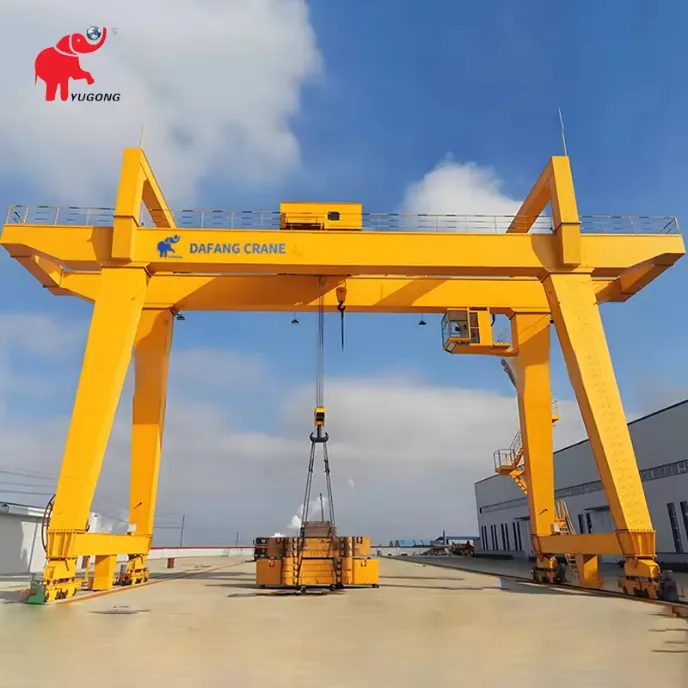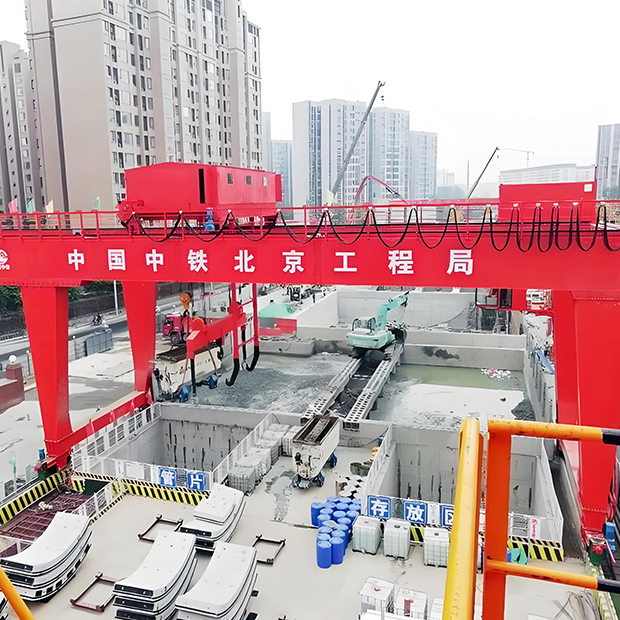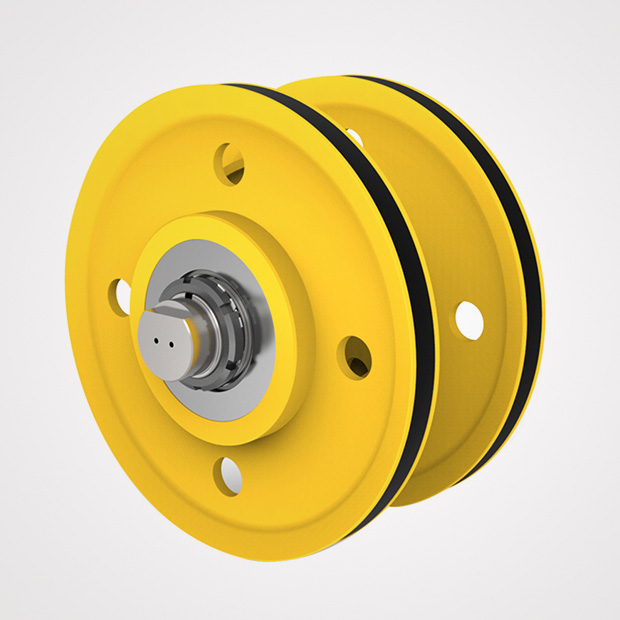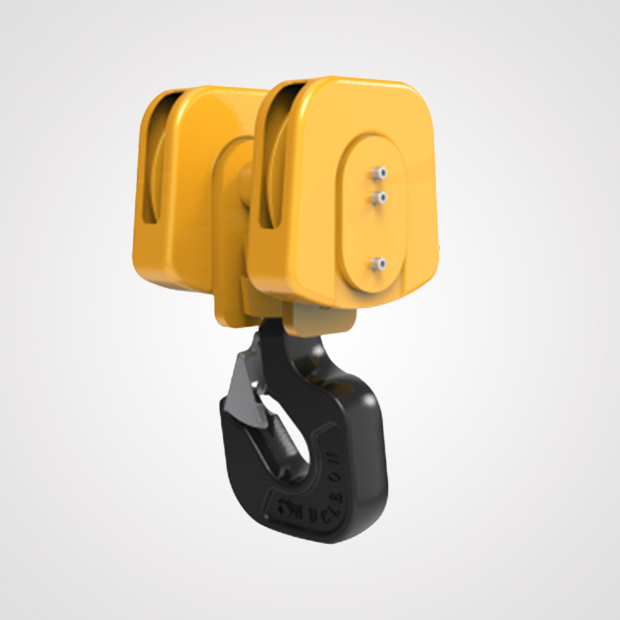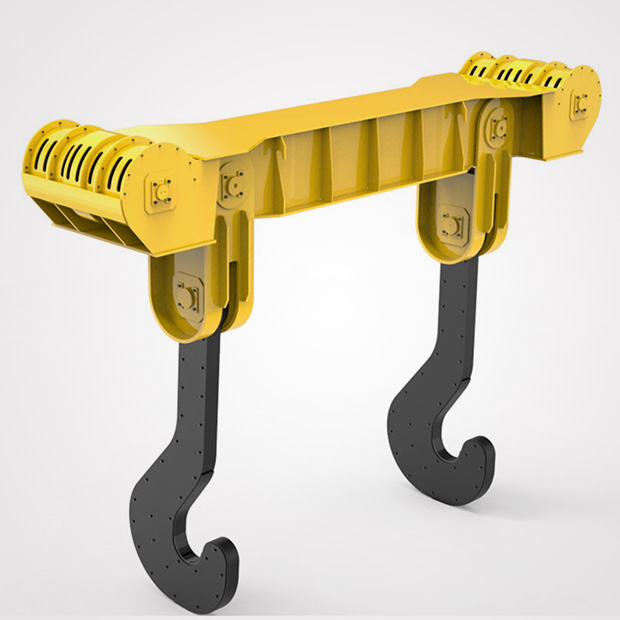







A Serbian industrial equipment distributor approached Dafang Crane with a straightforward requirement: one unit of MD-type wire rope electric hoist, 10-ton capacity, 21-meter lifting height. What made this order different from a stock inquiry was the dimension request — the customer needed the hoist body dimensions adjusted from the standard configuration to fit the runway beam and headroom conditions of the end-user's workshop.
For a distributor sourcing on behalf of a client, non-standard dimensional requirements are often the hardest thing to resolve with off-the-shelf suppliers. Dafang's engineering team treated the request as exactly the kind of problem they are set up to solve.
Table of Contents
Project Overview
| Parameter | Specification |
|---|---|
| Model | MD10T21M |
| Lifting Capacity | 10 ton |
| Lifting Height | 21 m |
| Hoist Type | MD-type double-speed wire rope electric hoist |
| Customization | Body dimensions adjusted from standard |
| Destination | Serbia |
| End-use Industry | Steel structure fabrication |
| Quantity | 1 unit |
Have a similar requirement?
Get Free QuoteThe Customer's Situation
The client is an industrial equipment distributor based in Serbia. The end customer operates a steel structure fabrication workshop — the kind of facility where structural steel members, welded frames, and prefabricated components are lifted, positioned, and moved along assembly bays. This type of production environment typically demands a lifting height well above the standard 12 or 18 m options, because fabricated assemblies are staged vertically before transfer, and the overhead runway is often mounted high to keep the floor clear for fabrication work.
A 21-meter lifting height on a 10-ton hoist is non-standard. The MD-type hoist (double-speed, with both 8 m/min and 0.8 m/min operating speeds) is well-suited for this application: the slow-speed mode allows precise placement of heavy structural components onto fixtures or welding jigs, while full speed handles rapid repositioning between stations.
The distributor's added requirement was that the hoist's external body dimensions be modified from the standard design. The specific reason was not disclosed — as is common in distributor-to-end-user projects — but the most likely driver in a steel fabrication setting is clearance: either the available headroom between the runway beam and the roof structure, or a dimensional constraint on the trolley travel path imposed by the workshop's existing steel framework.

How Dafang Responded to the Non-Standard Requirement
Confirming what "modified dimensions" meant in practice
Rather than asking the customer to re-specify from scratch, Dafang's account team — led by Stella — opened the conversation with a targeted set of clarifying questions: which dimension needed to change (overall body height, drum-to-hook distance, trolley width, or a combination), what the allowable envelope was, and what rail section the trolley would run on. This step prevented the back-and-forth that typically extends lead time on non-standard orders.
The confirmed change was to the hoist body's external envelope to accommodate the workshop's structural constraints. Dafang confirmed the modification was within its standard customization scope for the MD series — no special tooling was required.
The MD-type hoist at 21 m lifting height
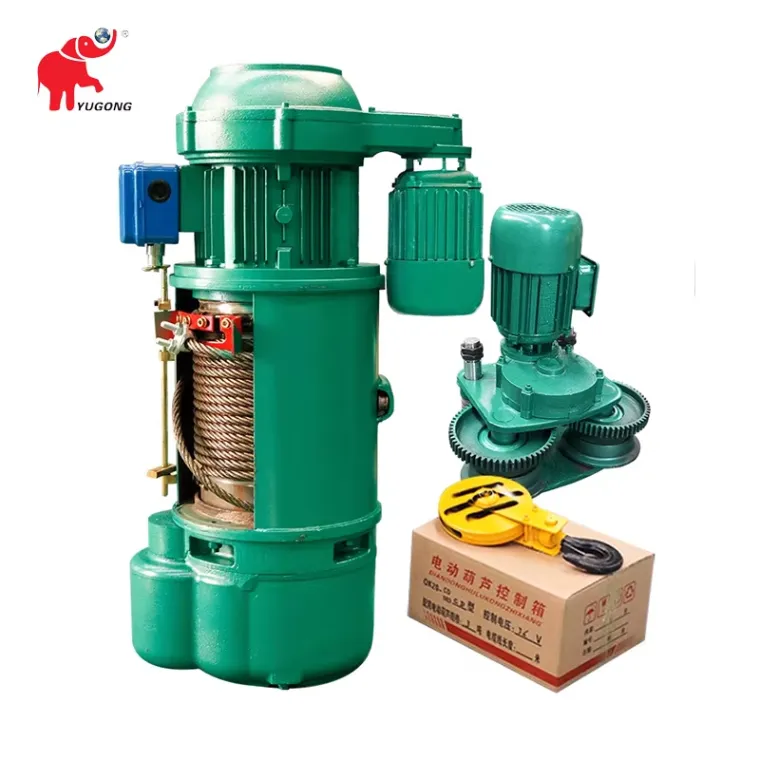
The standard MD-type electric wire rope hoist is rated for lifting heights up to 30 m, with the drum length and wire rope specification scaled accordingly. At 21 m — a non-catalogue figure between the standard 18 m and 24 m options — the drum configuration and rope capacity are recalculated to match the exact lift while keeping the hoist weight and body dimensions within the required range. The hoist uses a 6×37+FC wire rope construction, with the 10-ton model specifying a 15 mm rope diameter. Lifting motor is of the ZDS-series cone-brake type, providing automatic locking when power is cut — a standard safety feature relevant in steel fabrication environments where loads are held stationary for extended periods during welding or assembly operations.
Customized body dimensions: what changes, what doesn't
Adjusting the external body dimensions of an MD-type hoist primarily affects the housing shell, the trolley frame geometry, and in some cases the drum-to-hook distance. The core lifting components — motor, reducer, wire rope specification, overload limiter, and upper/lower limit switches — remain unchanged and are built to the same GB/T standards as the catalogue configuration. This is an important point for any distributor or end-user concerned about spare-part availability: the internal drivetrain on a dimensionally customized MD hoist is interchangeable with the standard series, which simplifies future maintenance.
Delivery and Export to Serbia
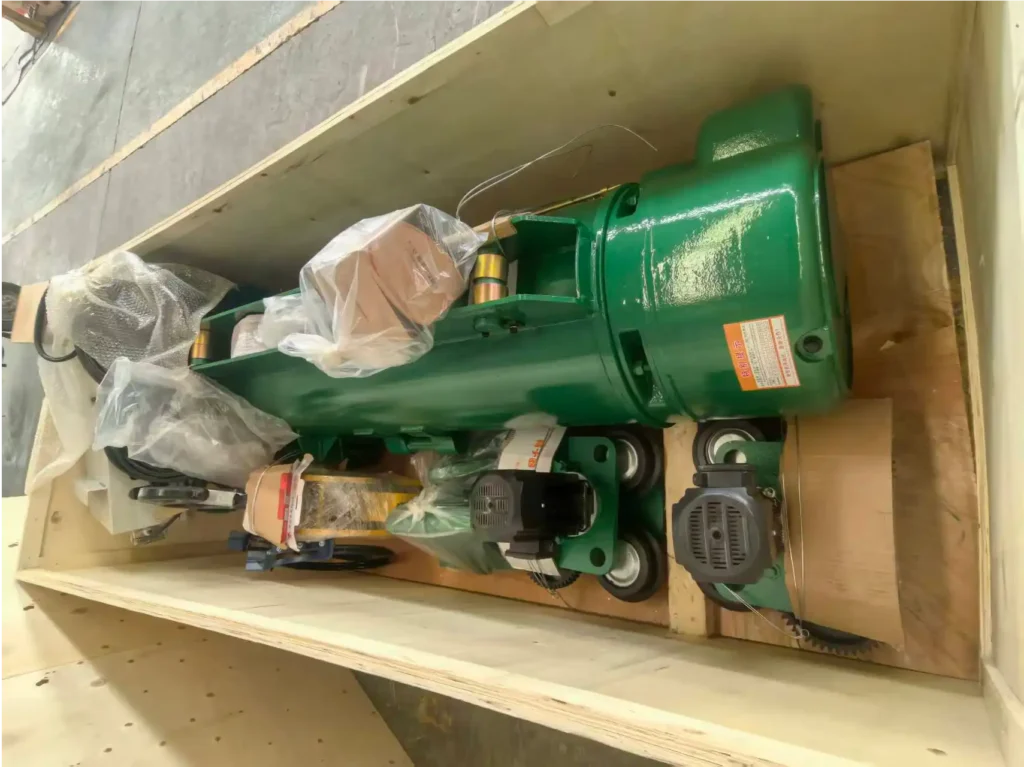
Once the dimensional parameters were confirmed and approved, production proceeded on the customized unit. Packaging was in a reinforced wooden export crate with moisture barrier lining — standard practice for Dafang's European-bound shipments, where the combination of sea freight and overland transport can expose equipment to humidity and vibration over several weeks.
Export documentation for Serbia included the commercial invoice, packing list, CE declaration of conformity, and the hoist's test certificate from factory load testing. Serbian customs clearance for this category of industrial lifting equipment is routine for properly documented CE-marked goods.

Why Distributors Source MD-Type Hoists from Dafang
Distributors working across Central and Eastern European markets regularly face end-customers with legacy workshop structures — buildings where the runway beam height, column spacing, or roof clearance does not match any single catalogue product. The MD-type wire rope hoist's mechanical architecture makes it one of the more adaptable products in this tonnage range: the separation between the lifting mechanism and the trolley frame allows dimensional modifications without redesigning the core drivetrain.
Dafang's manufacturing base covers the full MD-type range from 0.5 ton to 20 ton, with lifting heights up to 30 m and customizable configurations for span, voltage (including 50/60 Hz), control type (pendant or wireless remote), and IP protection level. For distributors who need to offer end-customers something beyond the standard catalogue, this is a practical advantage over sourcing from trading companies that have no engineering capacity.